Pumps are an important device for hydraulic systems. The rationale is:
The volume of the sealed work cavity was changed to achieve inhalation and pressure by placing pillars in the cavity. It's a form of a volume pump. Pumps have advantages such as high rated pressure, compact structure, efficiency and ease of flow regulation, and are widely used in high pressure, large flow and flow-regulating settings, such as hydraulic presses, engineering machinery and ships。
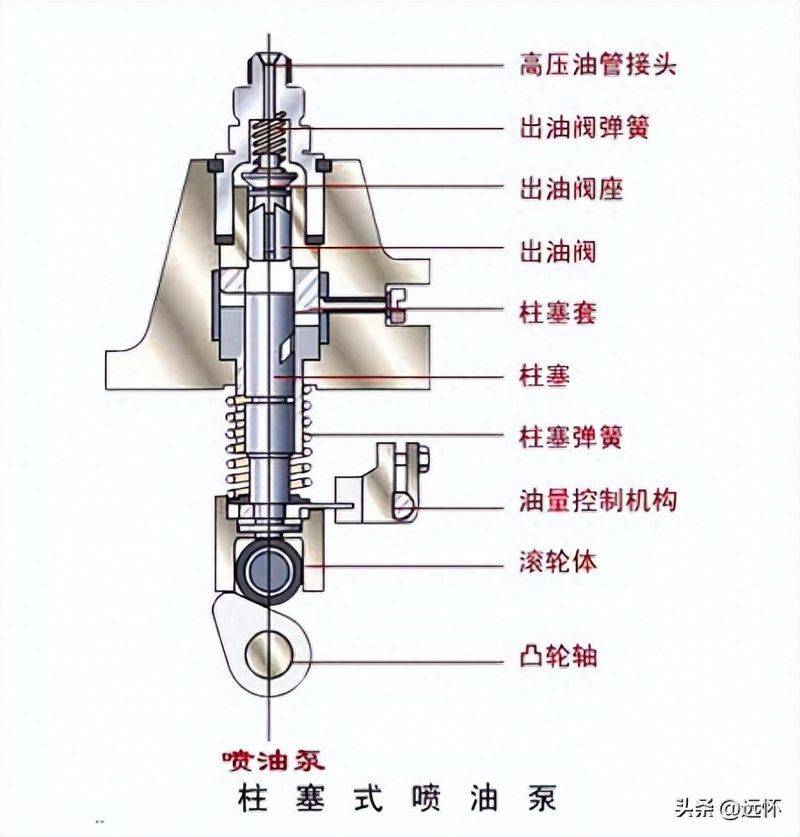
As shown in the figure above, the plume-jet pump consists of a pumping agency, a supply regulator, a driver and a jet pump. The pumping apparatus consists of parts such as pyres, pyres, pyres, pyre springs, pyres and pyres springs, oil valves, oil valves, springs and reelings. The total flow of the piston pump to re-movement l is unchanged and is determined by the lifting of the cam. The size of the oil supply per cycle depends on the oil supply route, which is not controlled by the cam axis. Oil supply does not change from time to time as the oil supply travels. The transformer plugs can change the fuel supply at the end of the period. When the piston pump works, the piston is forced to move up and down, under the influence of the cam and piping spring on the piping cam axis, thus completing the pumping task。
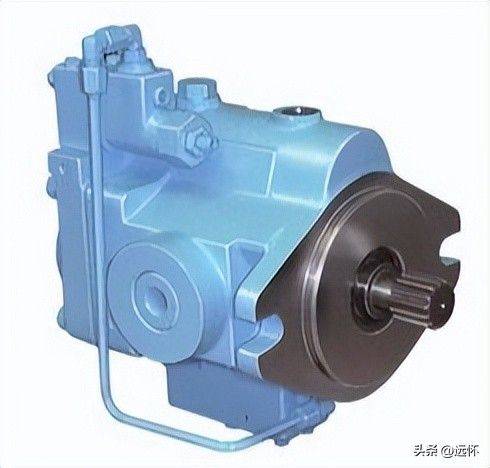
The piston pump is described by the principle of a piston, with two single-way valves on a piston pump, and in the opposite direction, a negative pressure occurs in the tank when the piston moves in one direction, when a one-way valve opens the liquid in the inhaled tank, when the piston moves in the other direction, when the other one-way valve is opened when the liquid is compressed and the liquid in the inhaled tank is discharged. This method of work is followed by a continuous flow of oil。
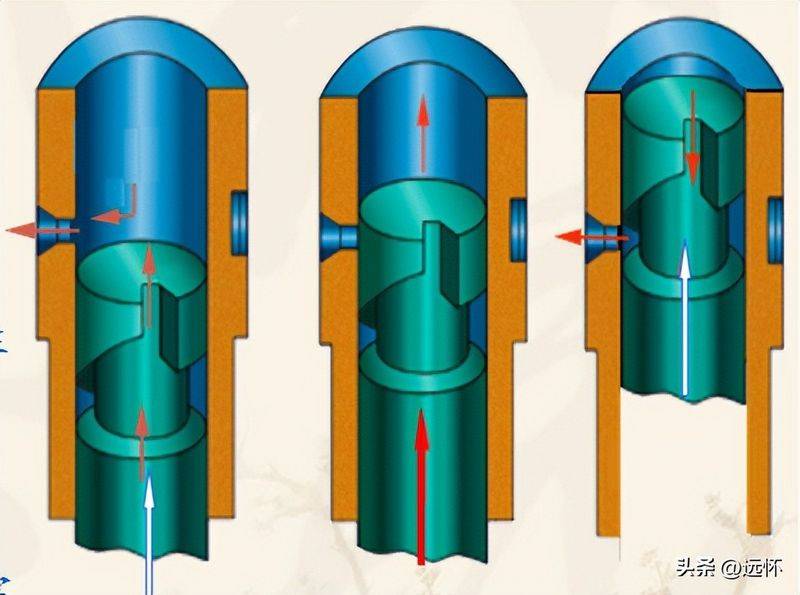
Up the plug
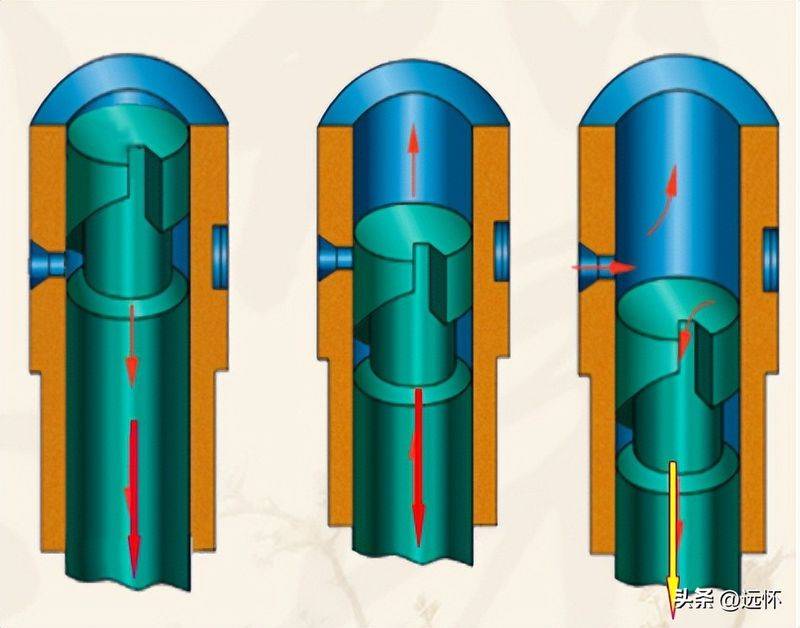
Down the pole
Oil intake
When the condensed part of the cam turns around, the plume moves downwards, with the upper space of the plume (known as the pump room) creating a vacuum, and when the upper end of the plume opens the plume of the plume, the diesel fuel filled in the pump's upper piping channel enters the pumping room through the plume, and the plume moves down to the end of the plume。
Return process
When the stubbles up to the stubbles are connected to the retorts on the drums, the pumping room low-pressure roads communicate with the hole in the head of the stubs and the tubs, the pressure drops sharply, and the ejection valves are quickly shut down by spring forces and the supply of the oil ceases. The poles will then go up, and when the condensed part of the cam is turned over, the plume will go down again. This is when the next cycle begins。
In sum, the piston pump is a typical volume hydromechanical, driven by the original motive, which converts imported machinery into liquid pressure energy, then enters it into the system in the form of pressure, flow, and is a power source for hydraulic systems, which are widely used in all industries of industrial production and daily life because it transports liquids under high pressure。