What do you know about the ion chromatography inhibitor
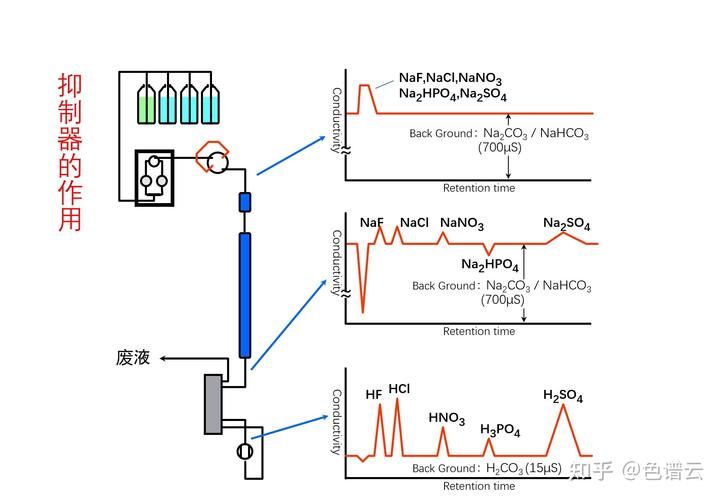
In 1975, the small et al. Introduced inhibitors (repressors) after the ion chromatography column, resolving the problem of ion chromatography background electrical conductors, allowing the ion chromatography to use simple, generic electrical conductors, so that the inhibitors could be considered key components of the ion chromatography. The inhibitor is chemically amplified throughout the ion chromatography system, on the one hand, by converting high-conductor rinsing fluids through the inhibitor into low-conductor solution and, on the other hand, by converting paired ions into higher-conductive ions in the sample, thereby significantly increasing sensitivity and detection limits. Figure 1 distinguishes the chromatography from the chromatography before and after the flow inhibitor。
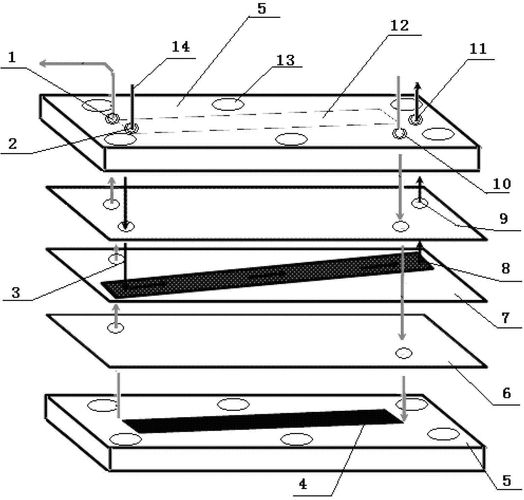
In 1986, the electrochemical inhibitors proposed by our expert in electrochemistry, professor tanaka and others, introduced electrochemical principles into the ion chromatography containment technology at the international level, pioneered the development of national inhibitors and made a prominent contribution to the research field of electrochemical inhibitors in the ion chromatography。
Deutschweiss 600 anion inhibitor/cecs 600 anion inhibitor is a resin filling self-cycled chemical microfilm inhibitor. It uses a combination of electric field, ion exchange membrane and ion exchange resins to allow the ion to undergo a direct transport exchange to perform functions with characteristics such as high pressure resistance, high inhibition capacity and no additional regenerative fluid for the back flow of the electroconductor detector. The rationale is shown in figure 2。
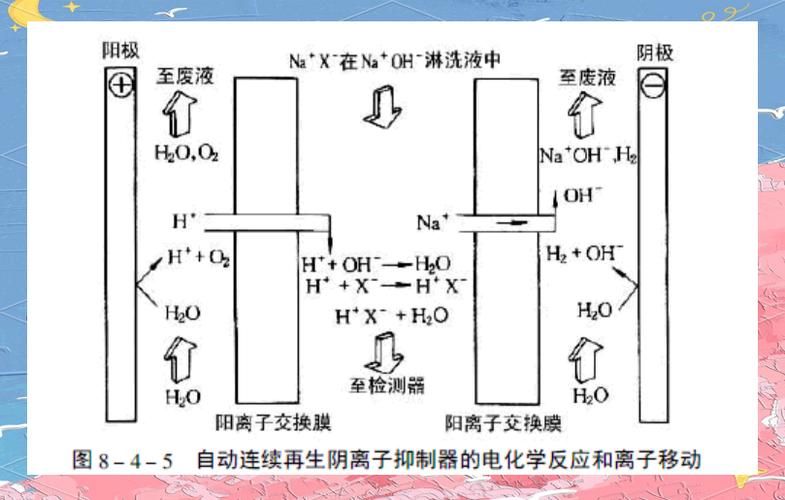
Electrochemical inhibitors work continuously, without chemical reagents, stable performance and simple operation. The following points need to be noted for use。
1. Regulation of suppression of currents. The inhibition capacity of electrochemical inhibitors is determined to a large extent by the suppression of currents, which should be regulated and used in accordance with the concentration of rinsing fluids. Excessive suppression of currents can have greater heat effects. Care is also taken to avoid the opening of inhibitions of currents in a stop state, to prevent overheating and drying of inhibitors, and to cause damage to the inhibitor film。
2. Work pressure of inhibitors. Electrochemical inhibitors are prepared by ion exchange membrane materials. Excessive work pressure will damage the inhibitor and, in the course of the work, when significant changes in system pressure are found, they should be checked in a timely manner for placement on the inhibitor and for exclusion。