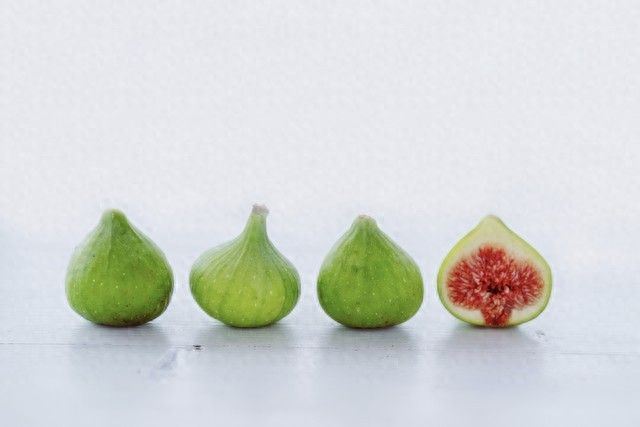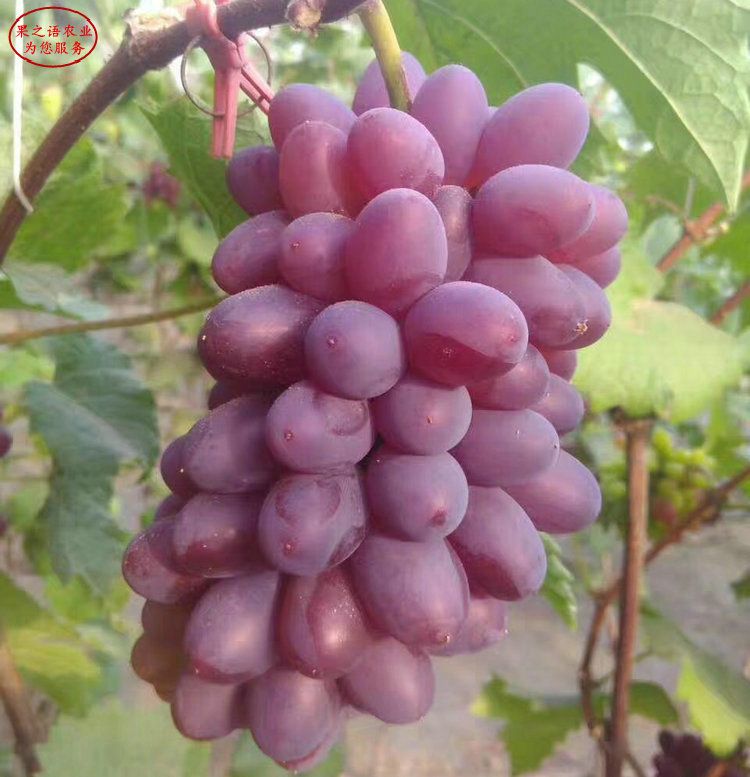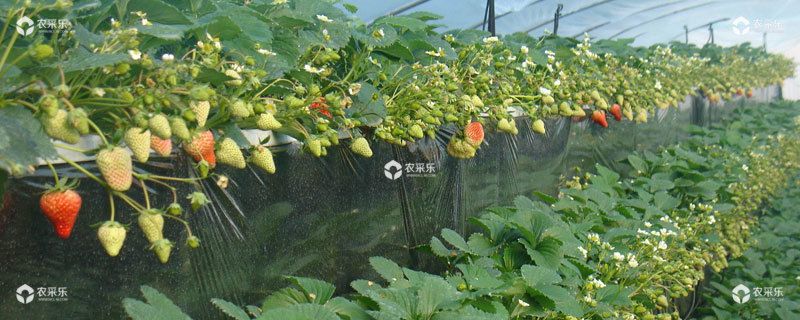
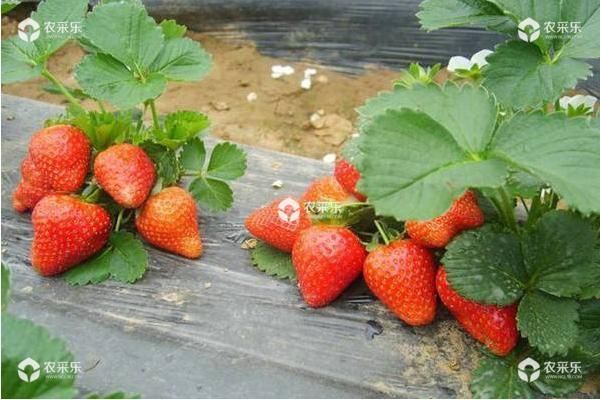
Cream strawberry is actually a better strawberry species, with fruit in cone shape, eggs in size, juicy fruit, very good taste, and a smell of milk. Cream strawberries are of high quality and yield, making their extraction more expensive, and the species cannot afford to be stored and, if they are to be placed for more than a few days, they can be picked up from 7 to 8。
I. Growth temperature
1. Strawberry homogeneity, with higher temperature requirements, must be managed reasonably at the time of planting。
2. Strawberries are suitable for growing in an environment around 22 - 25°c, and if temperatures exceed 5 - 30°c, they affect their normal growth and therefore require enhanced temperature management to promote their better growth。
Soil requirements
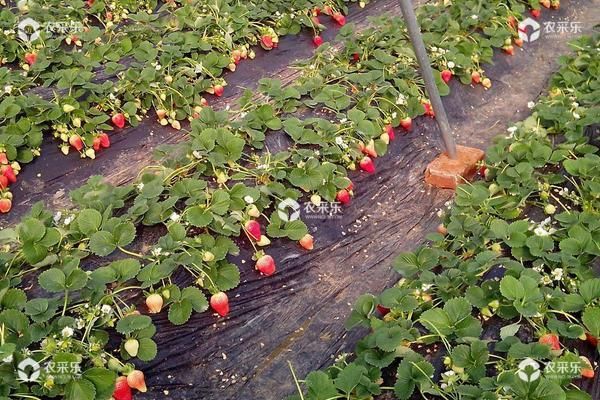
1. Strawberries are suitable for planting in areas where the ground is relatively flat, where soil requires soil fertilization, better permeability, better drainage and better water-preservative acid or neutral soil cultivation。
2. Cultivation in peralkaline soils affects the normal growth of strawberries, with soil cultivation of bean melons being selected as far as possible。
Iii. Fertilizing the whole area
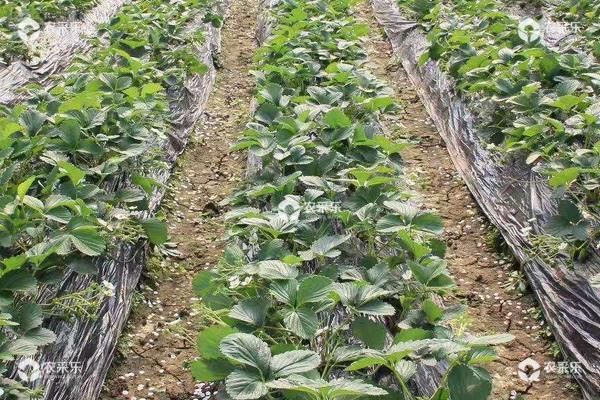
1. After the selection of the planting grounds, weeds will be removed from the fields and sterilised, and sufficient amounts of farm fat will be applied after three or five days of sunbath。
2. Fertilizers may be applied in the order of 5,000 kg per acre, depending on the size of the crop, and calcium per phosphate with the appropriate amount is applied together with potassium chloride。
3. To increase soil fertility, tillage can be combined with bottom fertilizers after application, and then poaching can facilitate strawberry growth and later management。
Iv. Rationalization
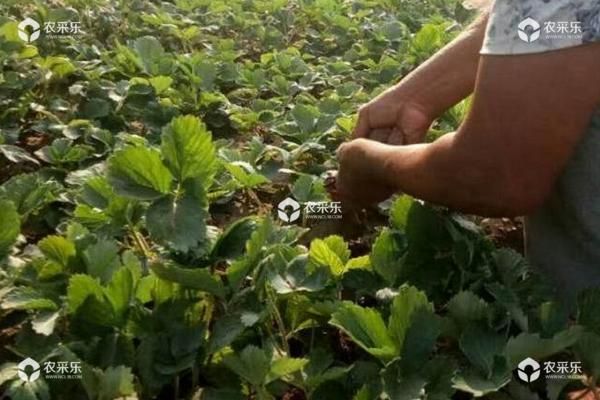
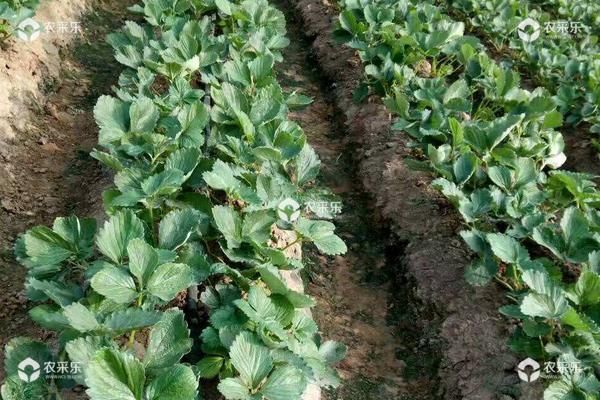
1. It is important that each plant grow in a consistent sequence at the time of planting, that it is sufficient to plant one in each den, that it is necessary to control the depth of cultivation and that it is not too shallow or too deep。
2. It is essential that the planting density be reasonably dense, which can be determined by the specific area under cultivation and soil fertility, and cannot be too dense or too thin。
V. Watering in due course
1. Strawberries are more water-friendly and must be rinsed after planting, approximately every 5-7 days, as long as the soil is not dry。
2. It is important to ensure adequate moisture during plant growth, especially during strawberry flowering periods, where water demand is high and must be watered in a timely manner, otherwise it is likely to lead to a more severe fall-off phenomenon at a later stage, leading to lower yields。
Vi. Rational fertilization
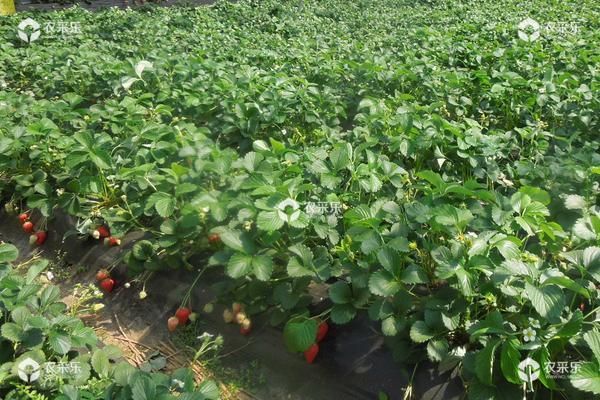
1. Strawberries are growing in high demand for nutrients so that they can be reasonably followed up with sufficient bottom fertilizers。
2. Strawberries are in greater demand for fertilizers during flowering, fruit expansion and maturity, and can be followed up with fertilizers such as phosphoric acid and potassium dihydrohydrophosphate, contributing to higher yields. In order to effectively promote strawberry growth, a reasonable ratio must be formulated in pursuit of fertilization to ensure full nutrition。
Vii. Last management
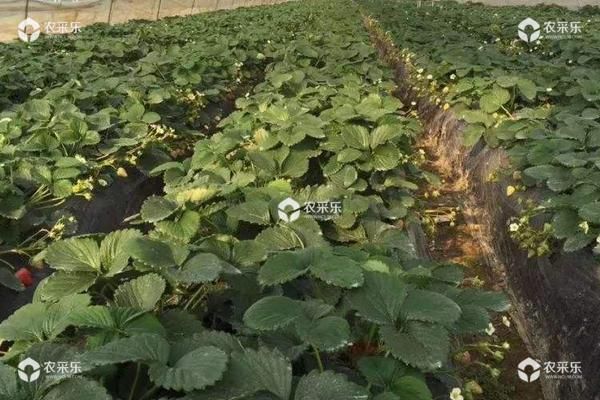
Regular orchard inspections are carried out to clean up fruit, disease and flowers in a timely manner and to remove old, dead and sick leaves in a timely manner. It is essential to control the growth of plants in order to avoid being long。
2. It is essential to conduct garden drainage and drainage, to prevent flooding in the rain and rain, and to water the drought in order to prevent the occurrence of scavenging fruit。