In the autumn, the autumn was strong, fresh corn was taken to the table as one of the season foods。
Eating sweet, sweet corn, sticky, soft corn, many people may wonder why corn, along with rice and wheat, can become the world's three main staples. I didn't eat corn every day. Who ate all that corn
The only crop that has been "super-deployed" by humans
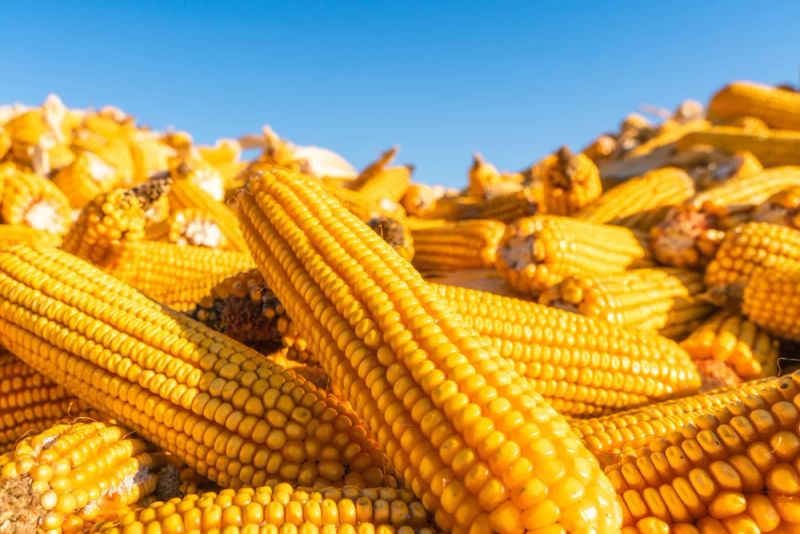
Corn, originating in central and south america, with a long history of cultivation and consumption, has spread further to the globe after the european colonizers of the great seafaring era “discovered a new continent”, becoming today's most adaptable and growing crop。
But modern maize cannot breed the next generation independently without artificial intervention. Without harvesting corn nuts, its seeds cannot be removed from the soil, let alone from wind, animal transmission, as many plants do, and ultimately from human harvesting and seeding, which makes it known as “super-incorporated crops”。
Modern molecular biology studies point the ancestors of maize at large grasses, with a wide gap between its outer shape and maize, with small and small plants, with ears of similar size to dog tails, with a small number of easy-to-defeating seed grains on their surfaces, and hard crust. But there are still many “doubts” to consider the grass as the sole ancestor of maize。
Central american scholars have combined research techniques such as archaeology, molecular biology and group genetics to present the “secondary origin hypothesis” of maize. Some 9,000 years ago, the small saplings, located in the south-western part of mexico today, were domesticated and spread to become “initially domesticated corn”; after about 3,000 years, the initial tamponation of maize was mixed with the saplings of the highlands in central mexico, and their descendants were second tamponed in the americas, the ancestors of modern maize。
Corn is so different from its ancestors that it has genetic characteristics. Genomic sequences show that 85 per cent of the sequence in the corn genome is a “jumping gene”, i. E. A change of position on the chromosome. The domesticated maize is also the result of genetic mutation, which has led to the disappearance of the seed particle surface and increased its edible properties。
Jumping genes can also affect the synthesis of phyllite, resulting in a wide variety of maize seed grains. And many people love to eat corn, which is a mutation in the south-western part of the country, with a high level of chain starch, a taste that is particularly sticky compared to ordinary corn, and is now widely grown after artificially grown by the adhesive tom and hani compatriots。
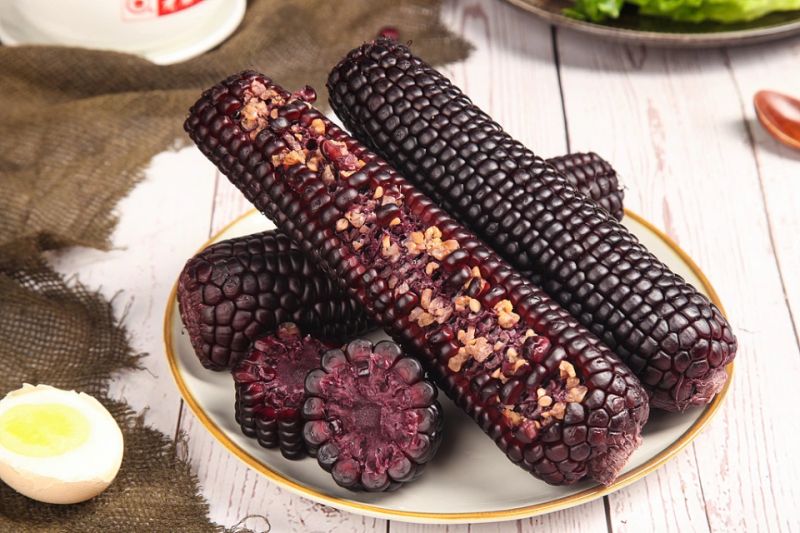
There's something good about corn
Although maize and rice and wheat are all herbal plants, maize has a “crushing” advantage over the other two crops in terms of high yields and short maturity. This is because maize is a “carbon fours” and rice and wheat are “carbon threes”。
This name is related to their photocosynthesis, in which rice, wheat and carbon dioxide react with organic compounds containing three carbon atoms in the molecules, but the catalytic enzymes produced in the process are also adsorbing oxygen, which in part affects the efficiency of photocosynthesis。
After absorbing carbon dioxide, maize first synthesizes organic matter containing four carbon atoms, then photocosynthesis is used through secondary processing of aluminum cells, which eventually produces three hydrocarbons. During this process, no additional oxygen is adsorbed, allowing plants themselves to absorb more carbon dioxide, consume less water and energy and produce more. This increases the ability of maize to adapt to the environment and allows normal photocooperative use in low co2 concentrations。
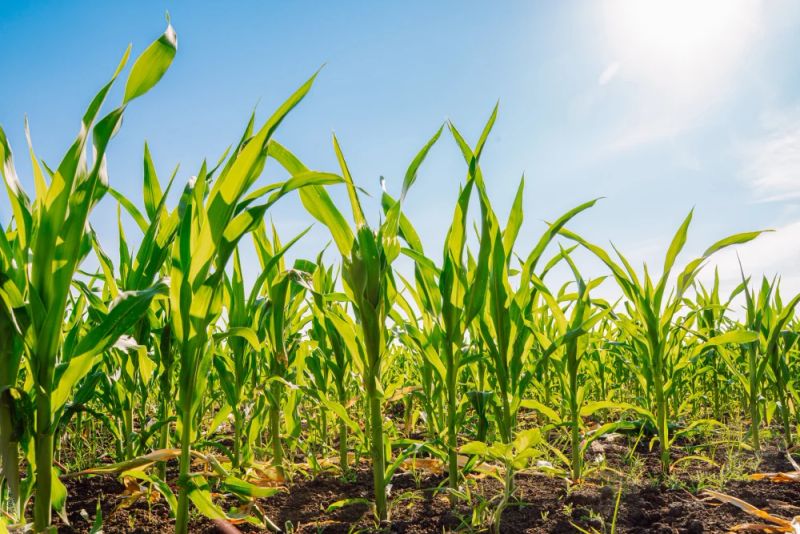
Although maize is now in the category of “comfort food”, it still plays a crucial role in agriculture. Seeds of maize are not only for human consumption but also an important source of feed for livestock。
The maize plant is large and the corresponding “grass valley is higher than” and yields 0. 83 kg of straw per kilogram of corn produced. In the past, maize straws were used mainly as fuel, and are now used in a variety of ways, including fertilizers, fodder, base materials, raw materials, etc. After different treatments, such as maize straws can return to the fields as fertilizers and increase crop yields; after fermentation, organic matter in the straw can be converted into ingredients such as amino acids and sugar, which can be used as a gross feed to promote fattening of livestock; processed straws can also be used as a basis for feeding fungs and vegetables; and wood-rich fibres can be used to produce paper and man-made sheeting. Stitching as fuel is also gradually leaving the past form of direct incineration and becoming a feedstock for burning power generation or biogas。
So, while we may not eat corn directly now every day, the meat, eggs, dairy products, vegetables and fungus that we eat can all contribute corn。
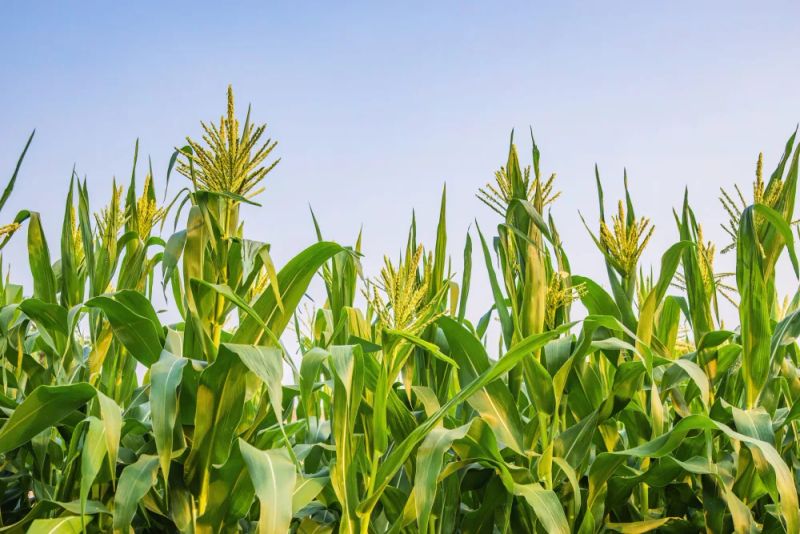
There's also a "grandma" of corn in its many functions, which is to provide sweetness to our "happy water"。
Many foods, known as “0 cane sugar”, look carefully at the table of ingredients with the word “gew sugar”, which is, in fact, the abbreviation of fruit and luscious syrup produced by corn starch. It is a mixture of glucose and fruit sugar, which has advantages over sugar that are low-cost, long-conservation, high-sweetness, and easy to process, and therefore has been extensively replaced in industrial food beverages。
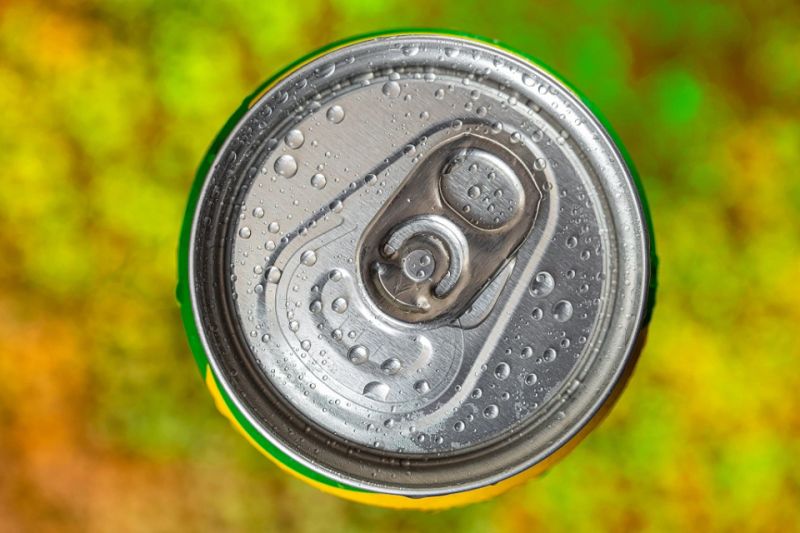
Although maize is no longer a staple food, there is still a rich variety of eating methods everywhere. While the corn is fresh, the best way to eat it is by steaming or cooking。
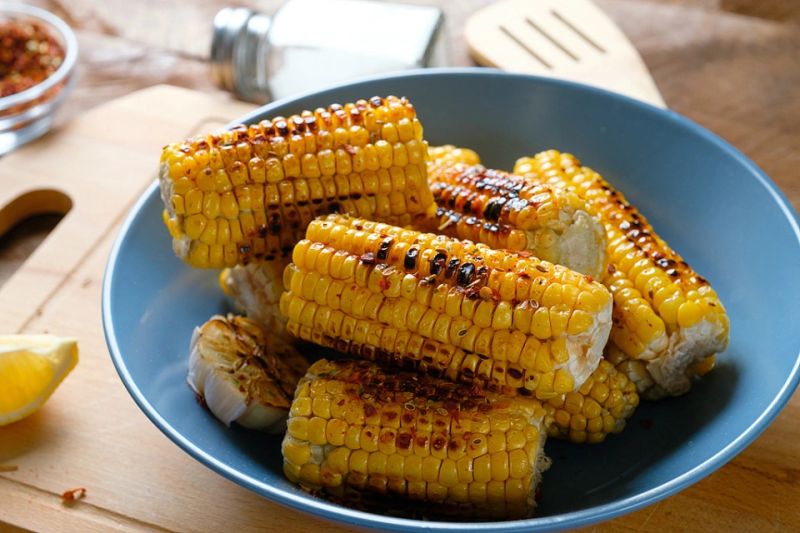
Roast corn requires a clear charcoal stove to bake its most real taste, and some of the corn grains that come into contact with the flames are “flowering”, and the surfaces are roasted, but the corn grains are still tender inside, and the fragrance spread is even more glamorous. There is also a way of not peeling the leaves so that the corn grains can be burned and not too dry。
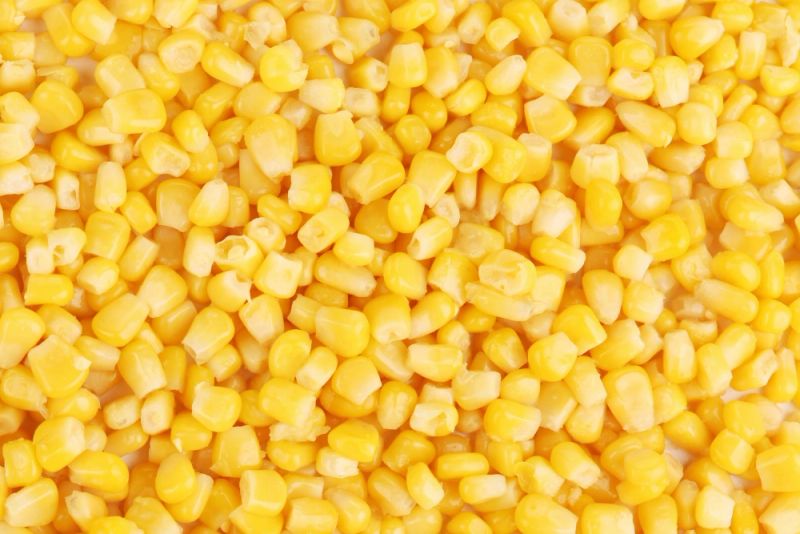
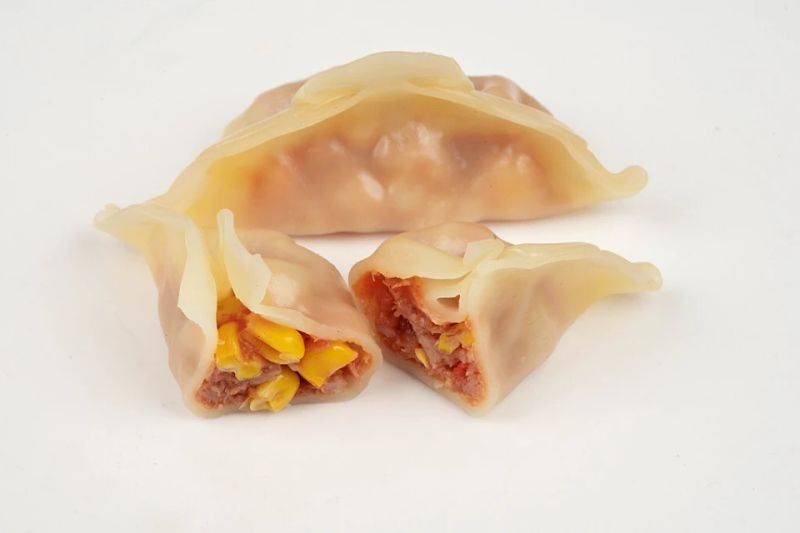
The corn grains removed from the stick make both staple food and cooking. The whole corn porridge, which is called "big porridge" in the northeast, is usually boiled with red beans, with sauce, pickles, and refreshment. Sweet, juicy fresh corn grains are no less than green peas. They can make meat, make carrots, make pineapple, and mix meat with dumplings. They have special fragrance。
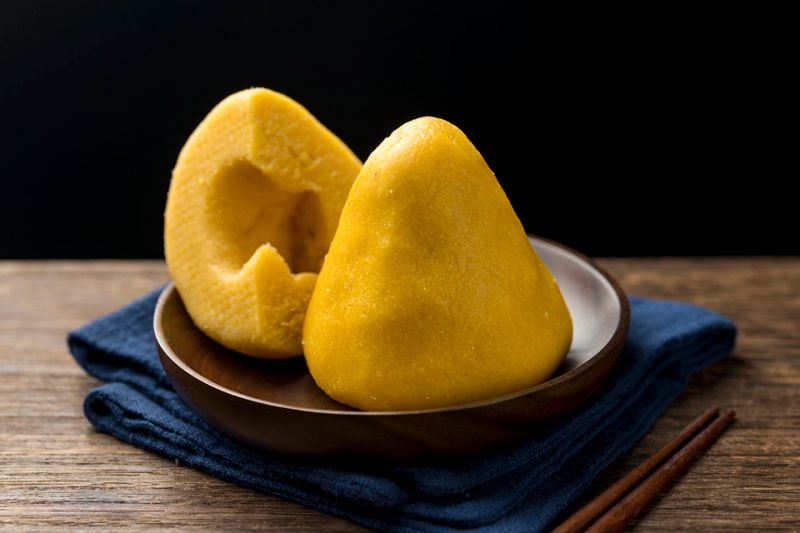
Corn grinds, though not as plastic as flour, and can be made of fine food. The corn cover, which used to be the staple food in times of poverty, is now reduced to a diet. Corn paste cakes are usually rounded up on the casseroles and fish casseroles, and are rapidly condensed with hot air and more attractive when they are absorbed。
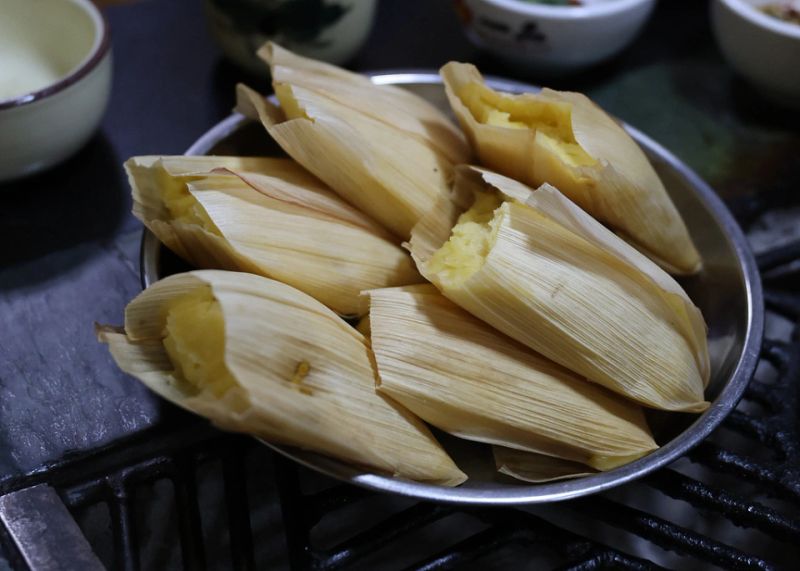
In the south-west, the “sniffed valleys” are made of fresh corn grains, squeezed into strips, fertilized with corn leaf, and the fragrance of “breeds of the same roots” is distributed, soft and sweet。
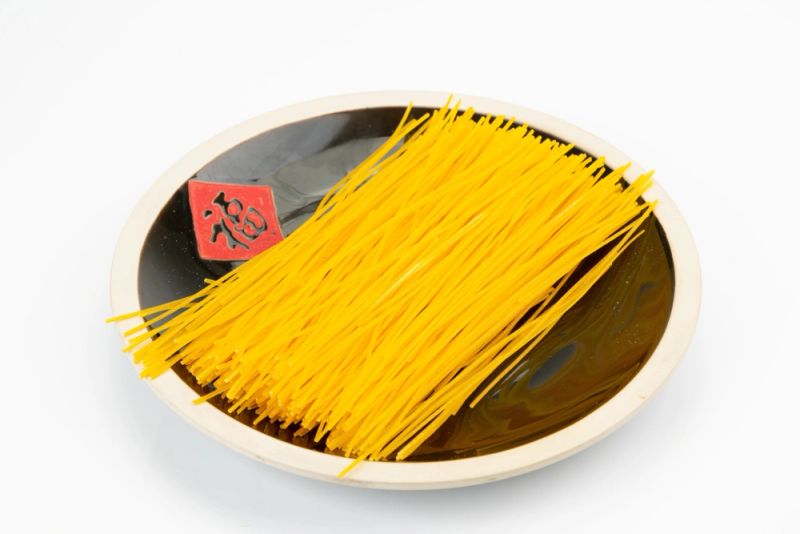
It is very difficult for maize flour to make noodles directly, and it is not until modern times that it can be used as a machine to compress the corn paste into a tenuous noodle, as it is much like a steel barbed wire, alias “steel noodle”。
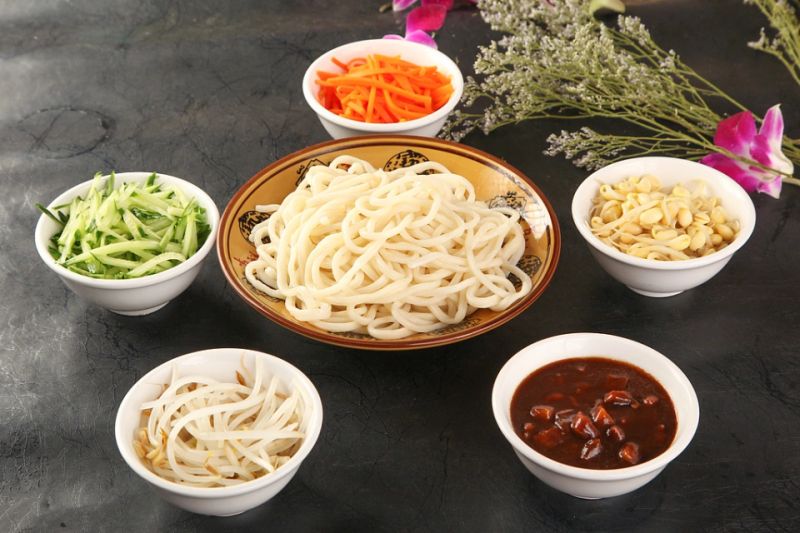
In the north-east, there was a simple corn paste, sour soup, which fermented the corn into slurry, dried the water, and softened the face, which placed the specially made multi-pore mold on the opener, pressing out the short and thick noodles. However, as acid soup may be contaminated with coconut-venomed fermentation, producing lethal pygromic acid, and high-temperature boiling cannot disrupt its toxicity, no food is now recommended。
From the ancient continent of the americas, corn carries a long history and has lit up today's table. There is a modest vision in the sweets that deserve to be returned. What kind of surprise will it be to mankind in the future