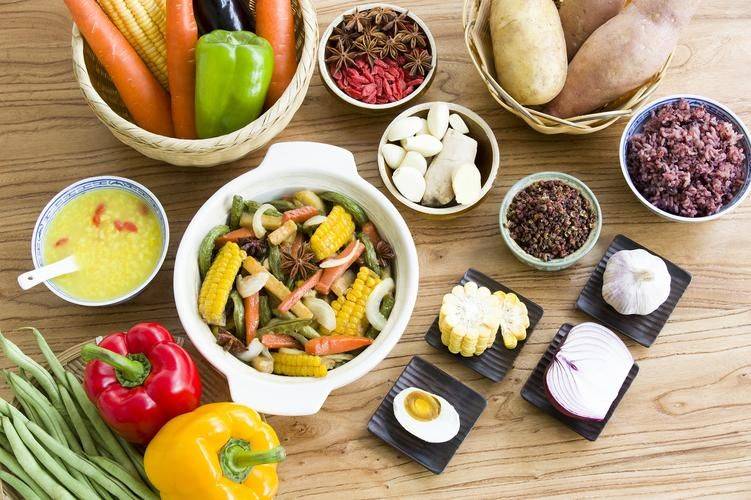
Corn is a regular on our table, cooking corn, roasting corn, corn porridge, corn salads all the way out of the diet, but many may not really think about what good it does to the body. Indeed, maize is popular not only because it is sweet, but also because it contains six nutrients that are vital to health, each of which plays a unique role in the body。
Carbohydrates: “basic fuel” for body energy
Carbohydrates are the most important nutritional component of maize, accounting for about 70 per cent (dry weight), mainly in the form of starch. The sodium in maize consists of straight-chain starch and branch-chain starch, in which the proportion of straight-chain starch in ordinary maize is relatively high (about 20-30 per cent), and the absorption rate is slower than that in fine rice, providing continuous energy to the body and avoiding large fluctuations in blood sugar, as in the case of roller coasters. For example, if we eat a steamed corn in the morning, we can keep up all morning's energy, which is not easy to fatigue; for those who work or learn for long hours, corn is a better energy source than white bread and biscuits, and reduces the concentration caused by insufficient energy supply。
Protein: “construction materials” for tissue restoration
The protein content of maize is moderate in grains and is about 8 per cent dry weight (3-4 per cent of fresh corn) and, although not as high as soybeans and meat, it contains essential amino acids for humans, such as lysine and chromium acids, which are important components of body cells, muscle tissues and enzymes and contribute to body growth and damage to tissues. For example, eating corn after the exercise of the fitness population can better contribute to muscle growth by combining protein foods (e. G. Eggs, chicken chests); and eating corn by children and adolescents can also provide the necessary nutritional support for physical development and contribute to the healthy growth of bones and muscles。
Unsaturated fatty acids: “invisible guardians” of cardiovascular health
The fat content of maize is low, with about 4 per cent dry weight (about 1 to 2 per cent fresh corn) and more than 80 per cent of this is unsaturated fatty acid, especially sub-oil acid (omega-6 unsaturated fatty acid). According to the 2023 food nutrient reference intake for chinese residents, sub-oil acid is an essential fatty acid for humans, which cannot be synthesized on its own. It must be obtained from food. It can help to reduce the risk of the hardening of aerobic porridges by reducing low-density protein cholesterol (“bad cholesterol”). In addition, the oilic acid in maize (omega-9 unsaturated fatty acid) helps maintain cardiovascular health and, for the elderly and middle-aged, daily eating maize is more conducive to protecting the heart than eating food with high animal oil, reducing the probability of cardiovascular disease。
Vitamins: metabolic “dynamic accelerators”
Corn is rich in multiple vitamins, of which vitamin b (including vitamin b1, b2, b6) is particularly high. Vitamin b1 can participate in the metabolism of carbohydrates, transform energy in food into a form available to the body, and avoid fatigue and appetite caused by energy metabolic disorders; vitamin b2 can contribute to cell growth and repair, maintain skin and mucous membrane health; vitamin b2 supplements can help improve skin state for people who often stay up late and their skin is dry; and vitamin b6 is involved in metabolism of proteins and fats, which can also help synthesize neurotransmitters, improve emotions, and reduce anxiety and stress. In addition to vitamin b, maize contains vitamin e, a powerful antioxidant that removes the free radicals in the body and protects cells from oxidation. For those who are frequently exposed to ultraviolet or contaminated environments, vitamin e supplementation helps to slow cell ageing and sustain skin elasticity. It should be noted that vitamin e in maize is mainly concentrated in corn embryos, so it is preferable not to strip them off in order to waste nutrients。
Minerals: “regulating small hands” of body function
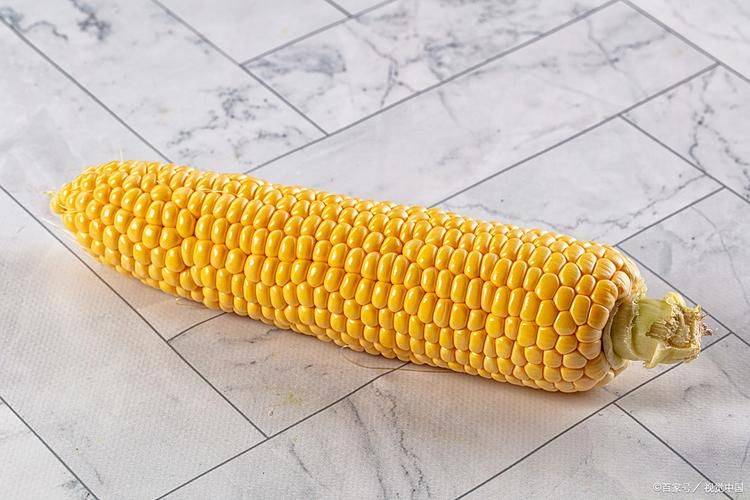
Corn contains a variety of minerals, such as potassium, magnesium and phosphorus, each of which plays an important role in the regulation of body functioning. Potassium contributes to the release of excess sodium ion in the body, maintains the electrolyte balance within and outside the cell and helps stabilize blood pressure. According to the 2022 national board of health and health's guide to chinese residents ' dietary, adults are required to consume 2,000 mg per day, and a medium-sized maize (about 200 grams) can provide about 476 mg of potassium per day. For high-tension patients, corn can help to control blood pressure by appropriate quantities, but is subject to medical instructions and cannot be a substitute for pressure-relief drugs. Magnesium is involved in the active regulation of more than 300 enzymes in the body, which promotes muscle constriction and relaxation and relieves muscle fatigue, such as eating a corn after exercise, which helps to reduce muscle acidity, while magnesium also regulates the functioning of the nervous system and improves the quality of sleep. For the insomnia population, eating a small amount of corn before sleeping may help to sleep. The phosphorus element is an important component of the bones and teeth, acting in conjunction with calcium, contributing to the development of the bones and the maintenance of the bones ' health, and allowing children and the elderly to eat corn in appropriate quantities, helping to prevent osteoporosis and promote bone growth and reduce the risk of fracture。
Food fibres: healthy intestinal “scavenger”
The food fibre content in maize is about 2. 9 per cent (dry weight) and in fresh maize about 2 per cent, which is high-fibrous food, most of which is insoluble. Insoluble dietary fibres promote intestinal creeping, increase the volume of faeces, help excrete out smoothly and prevent constipation and intestinal disease. For long-suspensed, low-morbid workers, eating a corn per day can effectively improve constipation, reduce abdominal abdominal swelling, stenching, etc. Caused by constipation; at the same time, eating fibres can increase abdominal saturation, slow the pace of stomach draining, help control diets, and, for those who need weight reduction, replacing part of the staple diet (e. G., half a bowl of rice in exchange for a maize) can reduce heat intake, while avoiding hunger, and help sustain heavy reduction programmes over the long term. In addition, dietary fibres promote the growth of intestinal good bacteria, maintain intestinal stock balance, enhance intestinal immunity and reduce the risk of intestinal infections。
The usual faults for eating corn. Have you stepped on them
Many people eat corn, but there are mistakes in its perception, which may affect our proper access to maize nutrition. Zone one: “to eat corn is fattening and can't eat if you want to lose weight”. In fact, maize is not very hot, with about 106 calories per 100 grams of fresh corn, less than rice rice (approximately 116 calories per 100 grams), and with a high food fibre content and a strong abdomen, so long as corn is used instead of part of the staple food, instead of eating additional maize after eating normal staples, it will not be fat but will help to control weight. However, care must be taken to avoid eating fried maize products, such as popcorn (especially butter and sugar added), maize chips, which have a high calorie and fat content, which can easily lead to excess calories and are not conducive to weight reduction. Zone of error two: “a corn can be soaked with sugar and diabetics can drink more.” corn mustaches contain a variety of components, such as acetone and sugar, which, according to some animal experiments, may have the effect of assisted regulating blood sugar, but the current human studies are inadequate and their effects vary from human to human. Diabetes patients must consult a doctor first if they want to try to water corn, and they should not be allowed to reduce the use of sugar pills because they drink corn shaving, so as not to cause blood sugar fluctuations and health effects. Wrong zone three: “the corn is more nutritious than the sweet corn and should be given priority”. In fact, sweet corn and corn have advantages, with a high sugar content (mainly sugar cane and glucose), sweetness of sweet corn, a higher vitamin c content than corn, and a better taste of sweetness for those who prefer it; corn has a higher content of chain starch, a soft taste, a faster absorption rate, and a higher sugar-liter index (gi value of about 70) than sweet corn (gi value of about 55), so diabetes patients are more likely to eat sweet corn, and less digestive people can choose corn. However, in terms of their overall nutritional value, the difference is not significant and everyone can choose according to their taste and physical condition。
The usual question about eating corn
Question one: can diabetics eat corn? First, the right varieties are selected, preference is given to sweet or old maize, which avoids the consumption of corn, because of its relatively high lactation index, which tends to lead to a rapid rise in blood sugar; secondary control of consumption, with one medium-sized maize at a time (about 150 to 200 grams) and a corresponding reduction in the amount of staple food (e. G. Less than half a bowl of rice) to avoid excess intake of total carbohydrates; and lastly, care is taken that the mix of maize is best accompanied by vegetables and protein-like food (e. G. Tofu, fish meat), which slows the rise of blood sugar and stabilizes it. Special groups of people (e. G. Patients with diabetes with unstable blood sugar control) are required to adjust their diets to ensure their safety under the guidance of a doctor or nutritionist. Question two: "how can corn be eaten to maximize nutrition?" the recommended diets are steamed or boiled maize, which retain the maximum amount of water soluble vitamins and minerals in maize and do not produce harmful substances. Avoiding the consumption of roasted maize, especially roasted maize, is prone to carcinogenic substances such as benzopyrene, which is harmful to health; and minimizing the consumption of fried maize products such as corn bars, maize chips, etc., which have a high nutritional loss and contain more grease and additives. In addition, maize embryos should not be stripped from them, as they contain abundant vitamin e and unsaturated fatty acid, which could result in the loss of most nutrition. If you want to drink corn congee, it is recommended that the whole grain of corn be boiled instead of corn powder, so that more food fibres and vitamins can be preserved, and so that the porridge is not too sugary to increase unnecessary intake. Question three: "is it good for everyone to eat corn?" most people can eat maize, but several special groups of people need attention: people who are allergic to maize cannot eat so as to avoid an allergy, such as rash, diarrhoea, etc.; those who suffer from pain are unfit to eat maize during acute onset, as maize is considered to be a medium-earth food (approximately 14 milligrams per 100 grams of corn) and its use may aggravate the condition and ease the time; those who are less digestive (e. G. Old people, children) do not need to eat too much corn once, because it contains more dietary fibres, can cause abdominal swelling, digestion, recommendation of a small number of consumptions, or make it more readily digestive。
How can people eat corn healthier
Corn is eaten in a variety of ways, and different groups of people can choose the appropriate way of eating according to their needs. Worker: the morning is tight and can steam corn the night before, the next morning with eggs, milk or soy milk for breakfast, and the next morning with a nutritional balance that is easy and fast, providing sufficient energy for one morning's work; the afternoon is tired, eating corn for extra meals, which is healthier than snacks like cookies, cakes, etc., and can also supplement energy, increase the efficiency of work and avoid a lack of concentration due to hunger. (b) group of people: after exercise, there is a need to supplement carbohydrates and proteins to restore physical strength and repair muscles, to eat a steamed corn with chicken chests and broccoli, a combination that provides sufficient energy and protein to help body recovery and muscle growth, while dietary fibres in maize promote intestinal creeping and help to remove metabolic waste. Older persons: older persons with poor teeth can eat softly cooked corn or make corn corn corn paste (not to add too much sugar), which makes it easier to digest and absorb it; at the same time, dietary fibres in maize help older persons to prevent constipation, maintain intestinal health and reduce discomfort caused by const. Children: children can eat sweet corn because it is sweet and more acceptable, and because of the high vitamin c content, it helps to increase immunity and prevent cold; it can be cut into small pieces, it can be easy for children to grab food, and it can be fired together with carrots and peas, made into corn, increased appetite and various nutrients。
Finally, it should be recalled that maize, while nutritionally abundant, is not a substitute for other grains and vegetables, and that healthy diets require a variety of foods per day to satisfy the body's nutritional needs. Special groups (e. G. Pregnant women, chronically ill persons) are encouraged to consult a doctor or a nutritionist when adjusting their diet to ensure food safety and health and to avoid health problems caused by inadequate diet。