Corn
I. Crop profiles
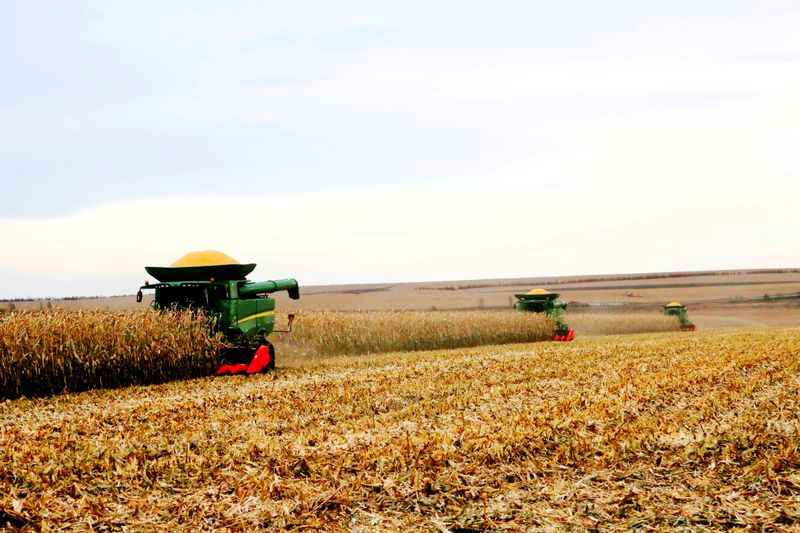
Corn (school name: zea mays; english: corn) also known as jade, grain, rice, originating in central and south america, is the most productive crop worldwide. The nutrients of maize are 67. 8 to 74. 0 per cent of seed grains, 12. 0 to 15. 0 per cent of moisture, 8. 1 to 11. 5 per cent of proteins, 3. 9 to 5. 8 per cent of crude fat, 2. 0 to 4. 0 per cent of coarse fibres and 1. 2 to 2. 0 per cent of coarse ash, providing a source of food heat and feed for animal growth. In addition, because of the low cost and efficient use of large-scale production, food processing and industrial products, such as maize starch, food sweeteners, fermented materials, corn-eating oils, chemicals, etc., are also being used extensively in our daily lives。
Ii. Form characteristics
Corn is a one-year-old herbivorous plant of the same size as the male and the female, and a pollinator, which relies mainly on seeds produced by wind-media fertilization。
The roots of maize, which are nuclei, in addition to embryonic roots, also grow from the stairwells: subterranean stairwells, which grow from underground stairwells, typically from 4 to 7 layers, and from above the stairwells, which are also called support roots, gas stubbles, which typically take two to three layers. The subterranean roots are the subject of the root system, with a depth of 30 to 50 centimetres and depth of more than 2 metres. The ground is steeped in terms of soil, which can support the planting of plants once it is stretched into the soil and has the effect of absorbing moisture, nutrients and synthetic amino acids。
One-and-a-half metres tall, in a drum shape, the marrow is full and loose, rich in moisture and nutrients. The corn, with the exception of the upper four to six knots, can form a bead in the rest of the leaves. In the upper part of the ground, the breech is usually only one or two of the top. In the underground, aluminum lumbers are normally not sprouted and planting requires early removal。
It usually has 15 to 22 leaves. The leaves are wide and long, and they tend to be wave-shaped. The sheaths are thick and hard, they are tight, and they are bound to the leaves with their tongues. There are also variants without folic tongues。
The flowers are single, the females are identical. The male is born at the top of the plant, in the order of a cone, and the female is born in the armpit of the central plant, in the order of the flesh. The male blooms three to five days earlier than the female. And each of the males in pairs of the axes and branches of the male bore two small flowers. Each flower consists of an inner, outer and three perestroika, mostly yellow, or purple, pink or green, and each contains about 2,000 pollen particles. The female is wrapped in most leaves, large in length, and gives birth to young females in rows. Each female has two small flowers, one strong. A strong female has an inner, outer, two scales and a female. The length of the column and its head, combined with the term "face", is yellow, light red or purple, which is covered in hair and which allows for the acceptance of pollen. The female is in pairs, with each female bearing only one particle, so the number of particles on the fruit ear (commonly known as “sticks”) is double。
The particles are fruit, yellow, white, purple, red or velvet. The yellow and white are the most productive. The embryos account for about 10-15 per cent of the grain weight, 80-85 per cent of the milk and 6-8 per cent of the fruit skin。
Iii. Growing habits
Corn is grown around the world at 40°s-50°n, from basins below 20 m above sea level to plateaus at 4,000 m above sea level, where corn can grow well. In terms of geographical location and climatic conditions, the world maize concentration area is mainly located in warm areas in the northern hemisphere, i. E. The temperature line was 20-27°c in july, with frost periods ranging from 140 to 180 d, with north america accounting for the largest area under cultivation, followed by asia, africa and latin america. Corn is spread widely in china, mainly in the north-east, north-west and south-west regions, where it forms a narrow corn-growing belt from north-east to south-west, which brings together 85 per cent of the total area under chinese maize cultivation and 90 per cent of production。
Corn is a warmer crop with higher temperature requirements. There is a need for sufficient sunlight and appropriate rainfall during growth. The growth of maize is divided into four stages: shrunk seasons, dysentery periods, and maturity periods. Shrimp period: it takes about 30 to 40 days from seeding to the festival. At this stage, maize is growing at a slower rate, mainly nutritionally, forming roots and leaves. Episode: corn begins to grow rapidly and takes about 20-30 days. At this stage, maize began to divide male and female, increasing demand for moisture and nutrients. Episode: corn begins to glean for approximately 20-30 days. The fastest growth of maize and the greatest demand for moisture and nutrients is recorded at this stage. Maturity: corn takes about 30 to 40 days, from poaching to maturity. At this stage, maize is mainly growing reproductiveally and seeds are becoming full。
Plantation techniques include:
Land selection and land rehabilitation: land selected for good drainage and fertile soil. The soil is defusing before seeding, facilitating the growth of maize roots。
Seed treatment: seed treatment prior to seeding, such as sunburning, leaching sprouts, etc., increases seed sprouts。
Seeding: seeding is carried out during the appropriate planting period, and the normal spring temperature is stable at more than 10°c. The sowing depth is approximately 3-5 cm, and the sowing is followed by timely watering。
Field management: water management and soil humidity should be maintained during maize growth. During critical periods, such as ceremonial and poignant periods, timely pursuit of fattening and increased nutrient supply。
Nutritional values and applications
The acre production of maize varies from region to region, variety and planting techniques to an average of about 416 kg per acre nationwide. The production of maize acres in the north-east is generally between 1,000 and 1400 kg, while in the south it can generally reach over 800 to 900 kg. An average of 1545. 94 kg of maize acres in xinjiang ploughs was recorded as the highest production in the country。
The main applications of maize include food, feed use, processed products and petrochemical products。
Food: corn contains protein, fat, starch, vitamin b1, vitamin b2, vitamin a, carrots, cellulose and minerals such as calcium, phosphorus and iron, and has high nutritional value. Corn is one of the most important foods in the world, and about a third of the global population uses maize as its main food. In asia, maize accounts for 50 per cent of food composition; in africa for 25 per cent; and in latin america for 40 per cent。
Forage use: corn is known as "king of feed" and its by-product straws can be made into green forage. Globally, about 65 to 70 per cent of maize is used as feed, compared to 80 per cent in developed countries. Corn is an important basis for livestock development。
Processed products: corn seed grains are important industrial raw materials for producing products such as maize starch and corn oil. Most of the world's starch is produced from maize, which is of high nutritional value and contains abundant proteins, argon, egg phosphorus, vitamins, etc。
Petrochemical products: corn can be used to produce waterless ethanol of more than 99. 5 per cent purity, blend it with gasoline in an appropriate proportion, improve the atmosphere and reduce pollutant emissions。
The results of the institute's scientific research
Take over the project
Since then, more than 50 research projects have been carried out at the national and provincial levels. These include one major project on international cooperation, eight projects on the national fund for natural sciences, one priority topic on the “seven crops cultivation” of the “thirteen five” national priority research and development programme, one task on the “exploration and innovative use of agricultural biological resources” of the “xiv five” national priority research and development programme, one task on scientific and technological innovation, one task on the “design and cultivation of new crops fit for combination plantation”, four projects on the major sub-programme on transgenics and more than 30 projects at the provincial level。
Awards:
Ten national and provincial ministerial awards were awarded, of which one was awarded for the second and third prizes for the advancement of science and technology, one for the award of major economic benefits in heilongjiang province and one for the special award for the governor, and one for the award of the first and six awards for the advancement of science and technology in heilongjiang province。
Articles published
Editor-in-chief, 2nd, presiding, 4th, deputy editor-in-chief, 2nd, in journal of external botany, internatioMore than 150 research papers were published in key national and international journals, such as the national journal of biological macromolecules, journal of industrial and food science, theoretical and appleid generals, soil biology and biochemistry, field crops research, journal of industrial intelligence and crop science。
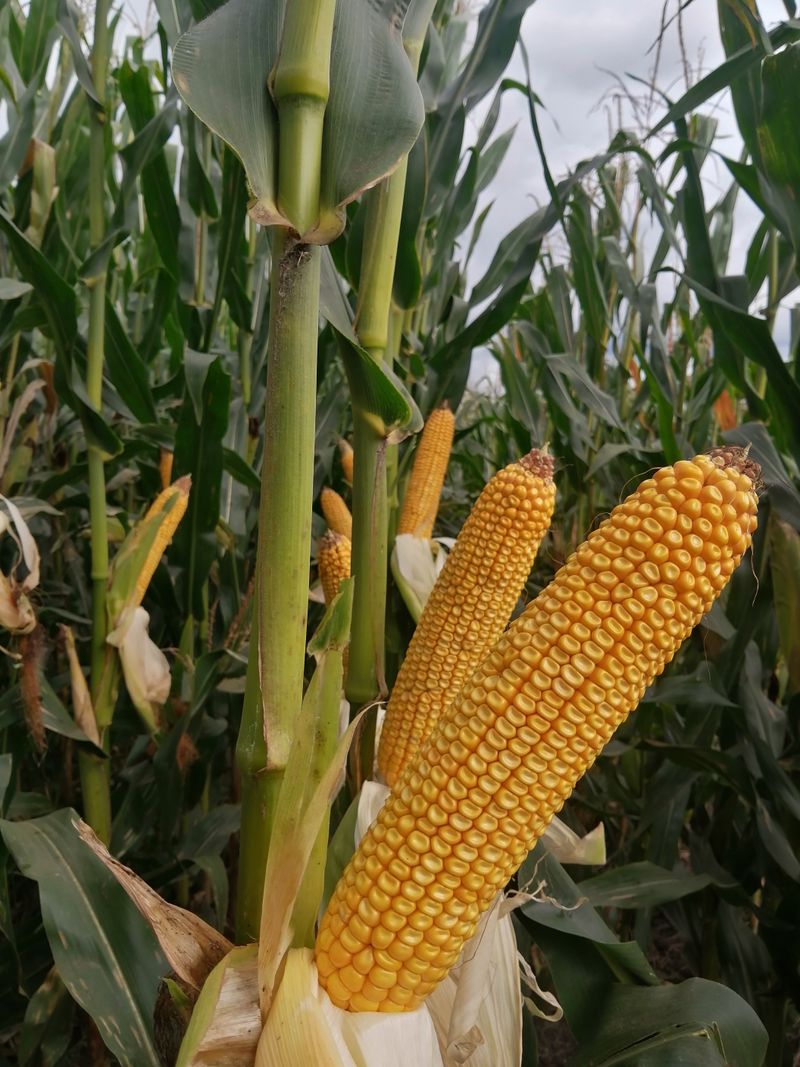
Representative species: eastern farmers 264-national species
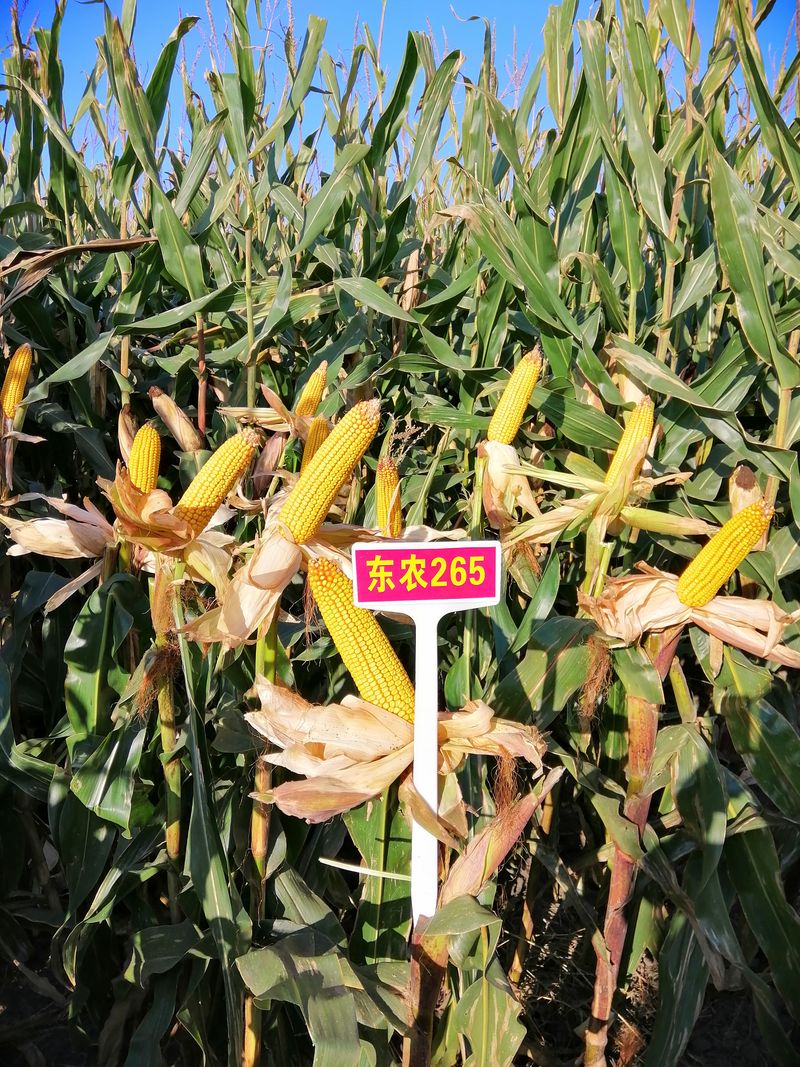
Representative species: certified contrasts for east-farm 265-heilongjiang province
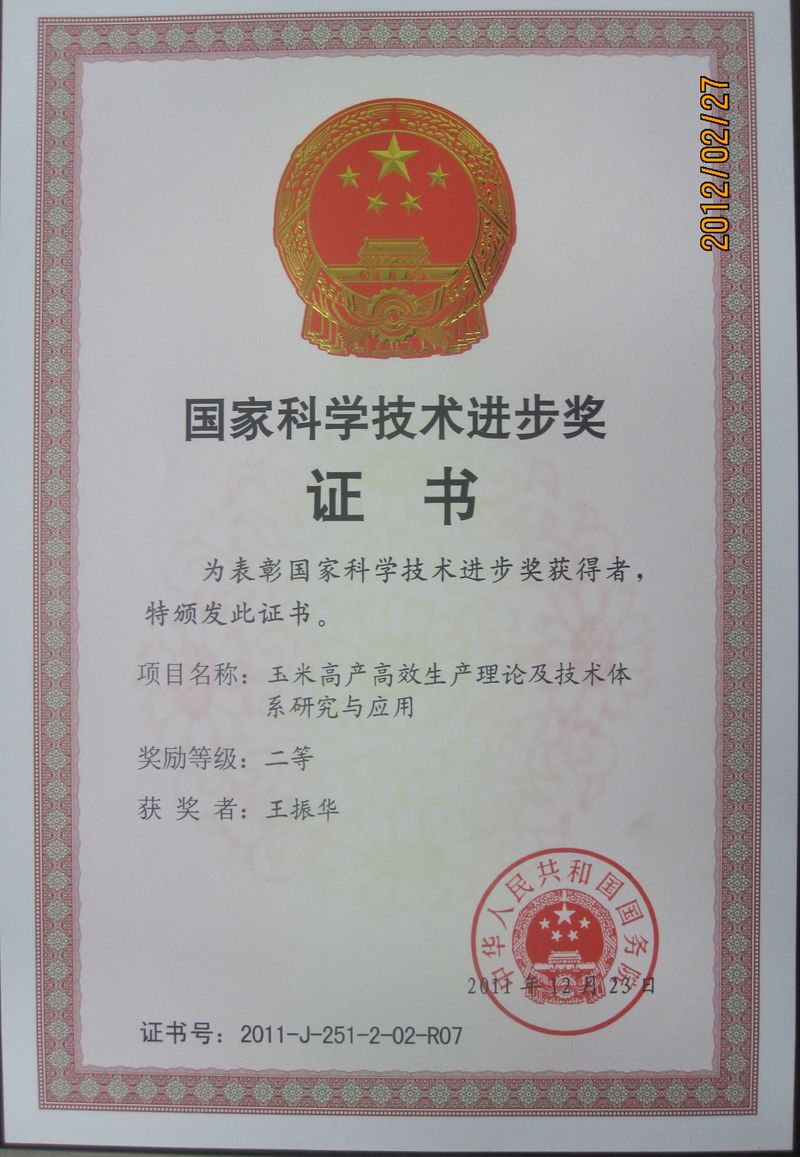
National prize for scientific and technological progress - study and dissemination of the theory of high-yield and efficient production of maize
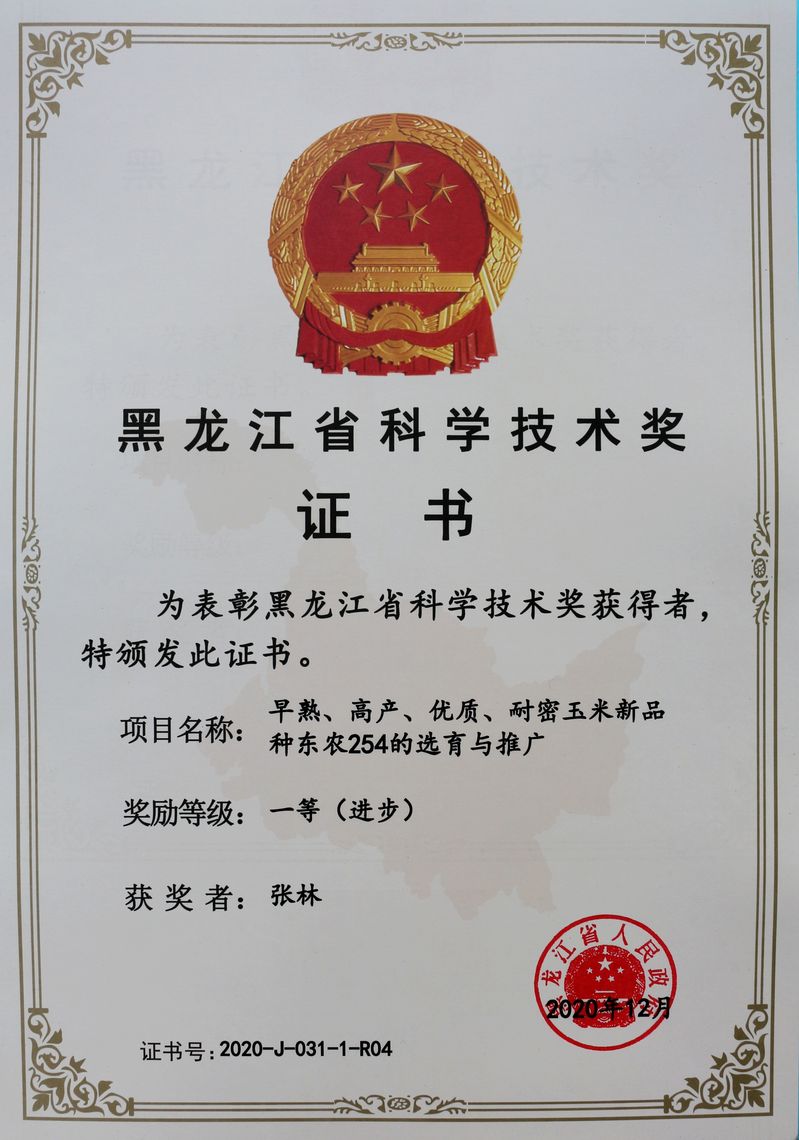
First prize for the advancement of science and technology in heilongjiang province (production and promotion of 254 new varieties of pre-maturity, high-quality, resistant maize)