"the sunshine autumn."
Original
The old tree with the dead, the bridge running, the scrawny old horse. The sunset is west, the intestines are in the world。
I. Form breaking: montach of image
Only five words and 28 words of the whole, the first three words being combined with nine verbs and not a single verb, created the chinese poetry technique of “image supermutation”。
This mosaic spelled off the logical correlation, forcing readers to proactively sense the emotional tension between the images to the point where they “have words but not words”。
Ii. State and sources structure and digitation
Space contrasts: the peace of the "little bridges" and the silliness of the "silent winds of the old dow" form a space in opposition to the "silent winds of the sky" and reinforce the sense of loneliness of the travellers. Time metaphor: the sunset is not just a vision, but a symbol of the twilight of life, of idealism, and of individual drifting into a common human existence。
Emotional core: chinese-style “aesthetics of detention”
Iv. Historical status and implications
"the father of autumn": "chou deok-kyung" is called "the father of autumn" by yuan zhou, because for the first time he has perfected the common spirit of dissipation and the condensation of poetry. Impact on later creations: the play: the sad scene of "down and days" in guan han's "sun and day" can be seen in similar ways. Painting: this is the contours of nexus' autumn chart. Intercultural resonance: the american poet bond of the twentieth century translated this song, whose idea of “images together” directly inspired modern western poetry。
V. Marseille life projection
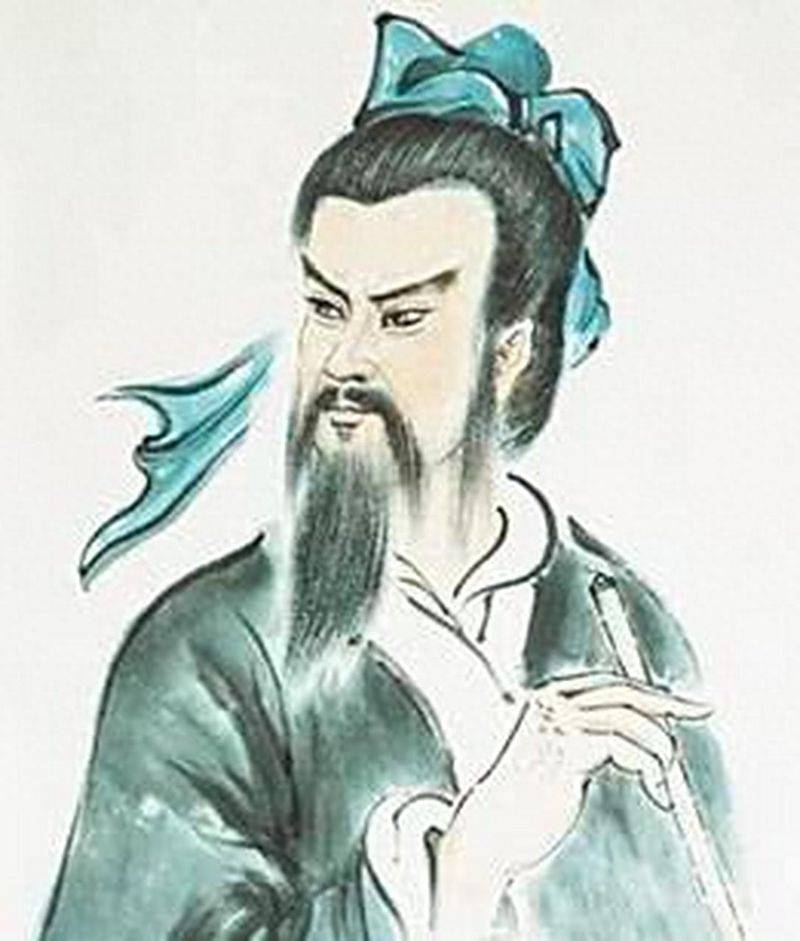
As a man of his generation who had fallen apart (a man who had lived in his youth) the horse dynasty smelt half of his life. This song is closer to the private words of the individual soul than the national grief of its acronym, han miya autumn, and presents the highest level of the hymns of the hymns — the verbs that reach eternal poetry alone。
Conclusion: this little decree is the "poetry eye" of the syllable, which carries in a very simple form the core spirit of eastern aesthetics: to see warmth in the cold, to see in the loneliness. In short, 28 words, sketches out the portrait of the most profound traveller in chinese literature — not only from a distance, but also from all the “interhuman pedestrians” who travel in the ancient ways of time。