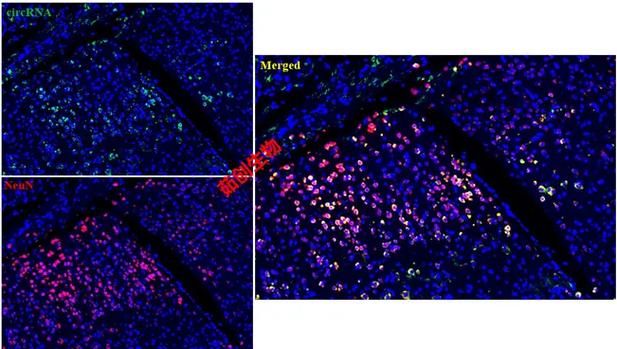
Fluorescence in situ hybridation, fish is a non-radioactive dna molecular in situ hybrid technique that has been developed on the basis of existing radioactive in situ hybrid technology. It uses fluorescent fluorescent-marked nucleic acid fragments as probes, interlaces with the distinctive fl-n: ~ line on the chromosome or dna microslice, and detects the purpose dna sequence of the signal dna sequence on the chromosome or dna microslice through the fluorescent detection system (fluorescent microscope), thus determining its intersectional location. The short duration of the fish technology tests, the high sensitivity and non-pollution have been widely applied in the fields of chromosome identification, genetic positioning and abnormal chromosome detection. Fish, a member of the extended family of in situ hybrid technology, was named for being marked with fluorescent substances (indirect or direct) by the probe used, which was invented at the end of the 1980s and has gradually entered the field of clinical diagnosis from the laboratory. The underlying principle is that fluorescent-marked nucleic acid probes, after mutation, and degenerative target nucleic acids, are reciprocated at the temperature of the fire; observation of fluorescent signals through fluorescent microscopes allows for the analysis of target nucleic acids without altering the object being analysed (i. E. Maintaining its place of origin). Dna fluorescent marker probes are one of the most common types of nucleic acid probes. This probe allows for chromosomal and gene-level analysis of dna in tissues, cells or chromosomes. The fluorescent marker controls do not contaminate the environment, and sensitivity is guaranteed, allowing for multi-colour observation analysis, thus allowing multiple probes to be used at the same time and constricting short periodic processes and technical barriers resulting from the separate use of individual probes。