Spoken (idiom): mitigation (hun jiě)
Pronunciation: hu seen jilium
Basic meaning (basic meaning): reduced suffering or tension and eased the situation。
Detailed interpretation: mitigation is the reduction of human suffering, stress or stress through measures or methods. It is often used to describe actions taken by people in the face of difficulties, pressure or conflict to calm the situation or restore calm。
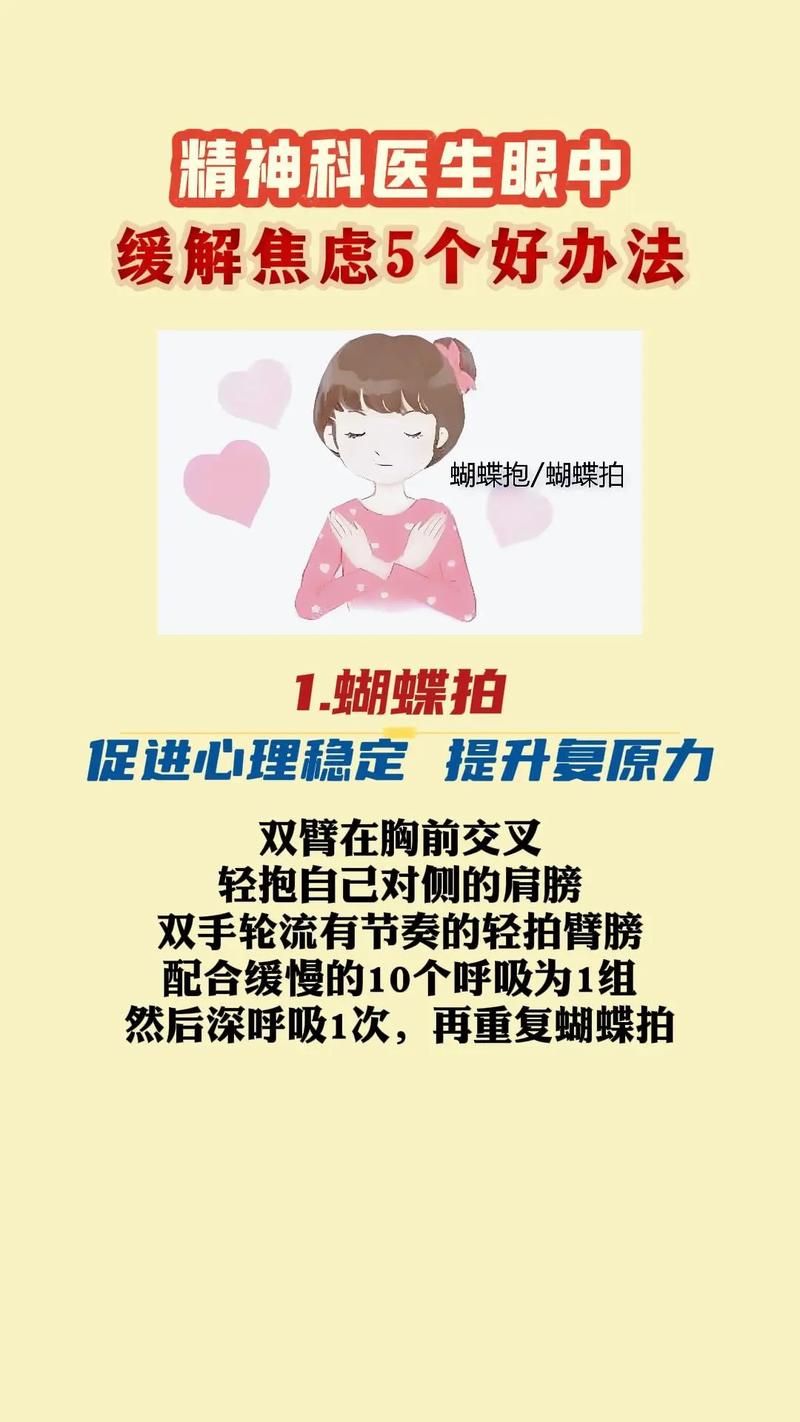
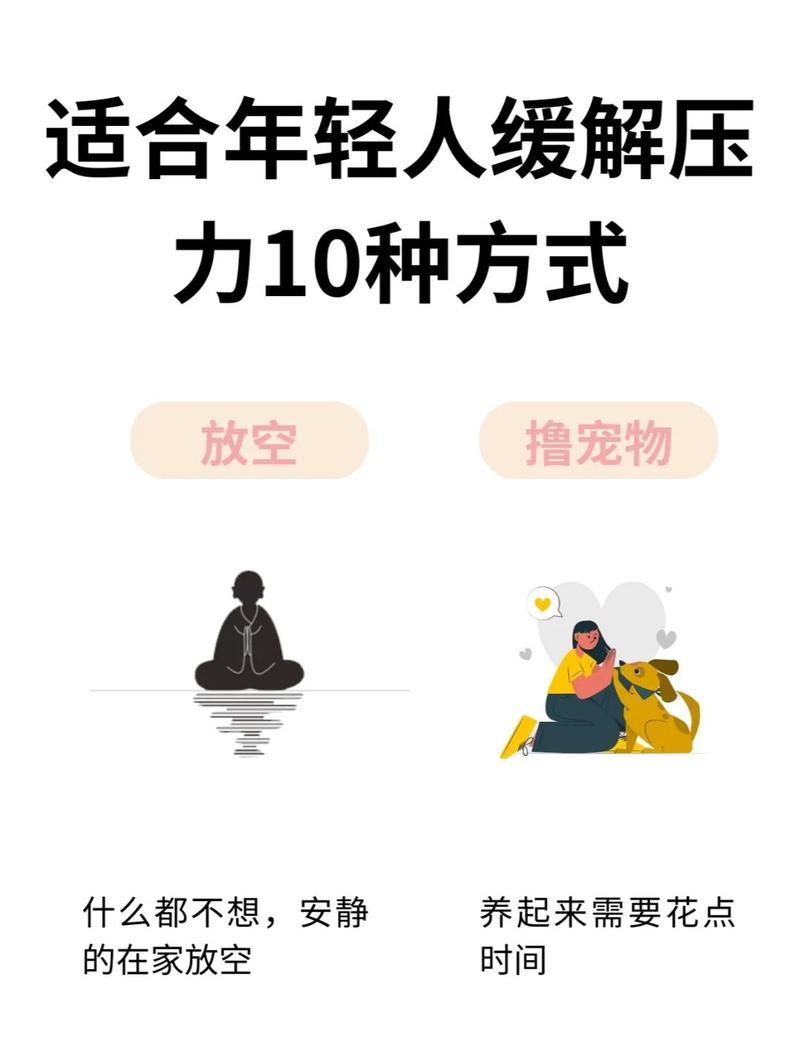
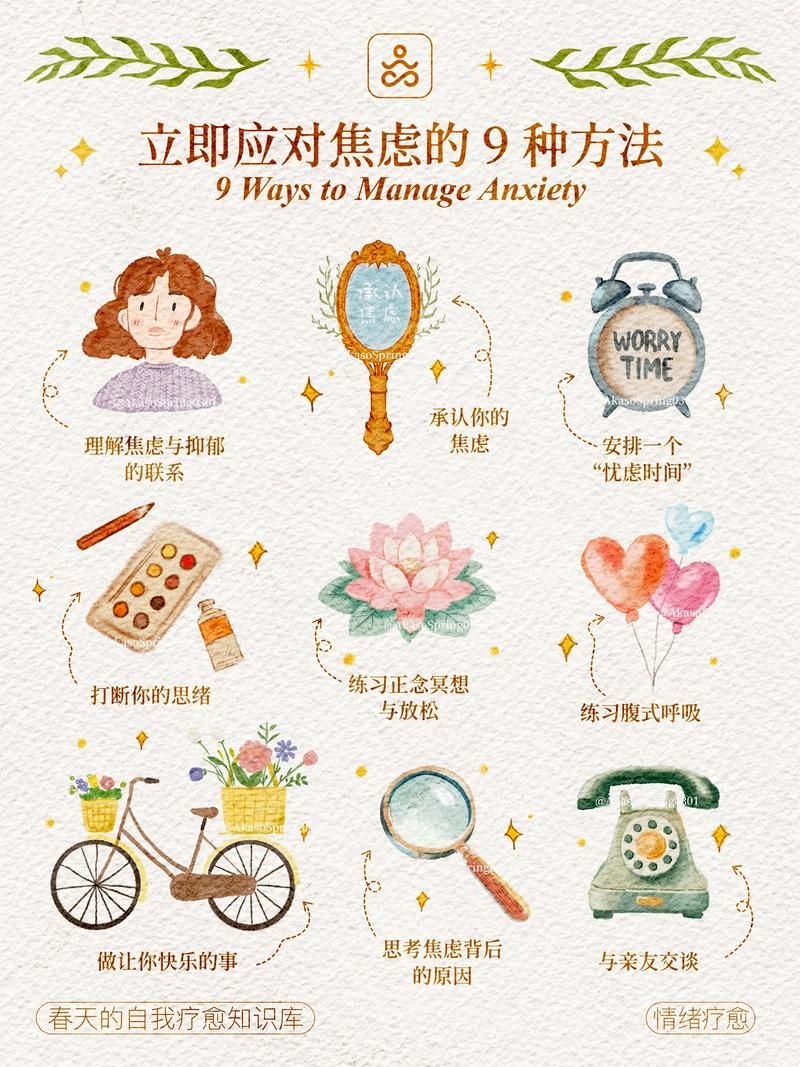
Use of usage scenarios: this term is often used to describe actions taken by people in various settings to alleviate suffering or stress. For example, when people experience high work stress, hardship or interpersonal stress, they can relieve stress by relaxing their physical and mental capacities, seeking help and adjusting their mentalities. In addition, mitigation can be used to describe international tensions or conflicts, to reduce tensions through diplomatic means or negotiations and to maintain peace and stability。
Story origin: mitigating the term does not have a clear story origin, but is based on the semantic and vocabulary characteristics of chinese。
Scructure of the idiom: mitigation is a two-word formulation with no specific structure。
Examples:
1. In times of economic hardship, they have taken a series of measures to ease financial pressures。
2. The aim of the plan is to reduce traffic congestion and increase the efficiency of urban mobility。
Memoory technologies: it can be remembered by linking the term “mitigation” to actions to alleviate suffering or stress, such as relaxation, readjustment of mental and physical state, etc. In addition, the term “mitigation” could be linked to the pressures and difficult circumstances common to life in order to deepen memory。
Extended learning: knowledge of more mitigation-related formulations and words, such as mitigation, mitigation, relief, etc., can help expand the vocabulary and enrich expression。
For example, students of different ages say that:
1. Primary school children: i play with friends every day after school so as to ease the stress of learning。
Secondary school students: i like to listen to music to ease the stress of the examination。
3. High school students: sport is the best way for me to relieve stress and play basketball every day。
4. University students: during the preparatory examinations, i will find relaxing activities to ease learning pressures, such as watching films or going to gyms。
5. Adults: i will travel regularly, so as to ease work stress and relax。