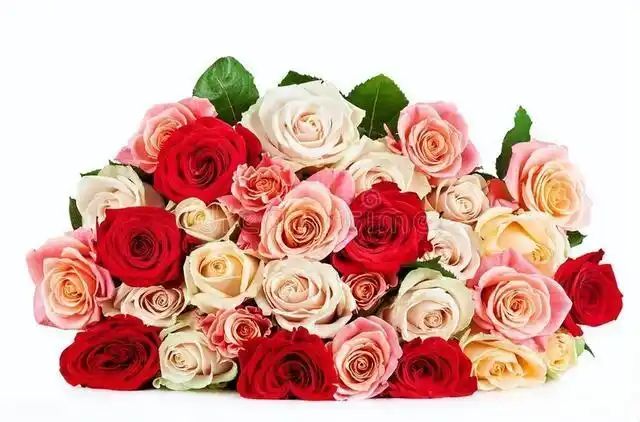
"it is a flower that spends no more than ten days and no more than a day." at the end of the spring and the beginning of the summer, it is the season of the rose season with its fury. And a flower of chalk, coloured and coloured, blooms in passion, and spreads the beauty of the first summer. And when the winds pass by, and the fragrance strikes, or it is thick or light, and it pervades the hearts。
But there's an awkward question: if a fellow friend asks whether the flowers are roses or seasons, a lot of people can't answer. Indeed, it is difficult to answer if it is not a friend specializing in plants. It's all right, grass-roots forestry taught you three ways。
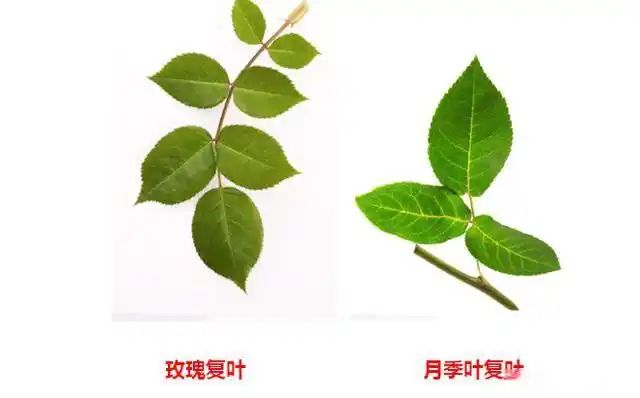
First move: watch the leaves
Roses and seasons are lycées, and at first glance, their leaves are basically the same, with no obvious difference. However, grass-roots forestry teaches you to look closely, and the difference is still great。
The leaves of roses and seasons are usually composed of several small leaves, called “fy-like leaves”, and the key point is that the plume of roses consists of 7-9 leafs, while the plume of the season consists of only 3-5 leafs. It depends on the whole: individual branches of roses may, for a variety of reasons, lead to incomplete leaves, and some weak old branches or lower branches will have only five little leaves or even three, but most of them are 7-9. Good memory can also remember the following details: the rose leaves are green, with white powder on the back of the leaves, and the moon leaves are green, and the leaves are white and fuzzy on the back。
Conclusions: roses account for 7-9 pieces of leaf, and seasons account for less than five。
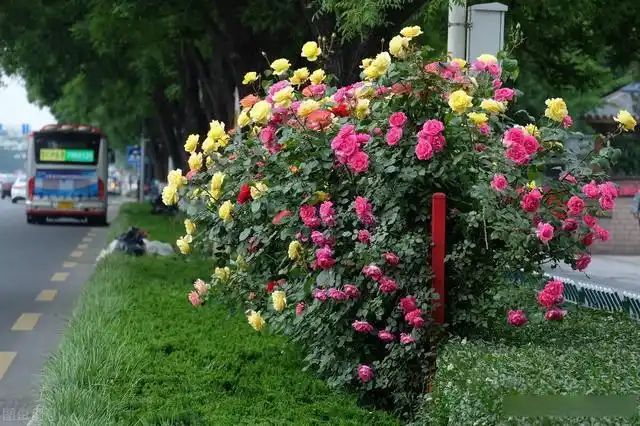
Second move: look at the flowers
Colours are flowers. The colours of the vervain plants are very rich, they're green and green, and they're so full of surprises, but roses and seasons are different。
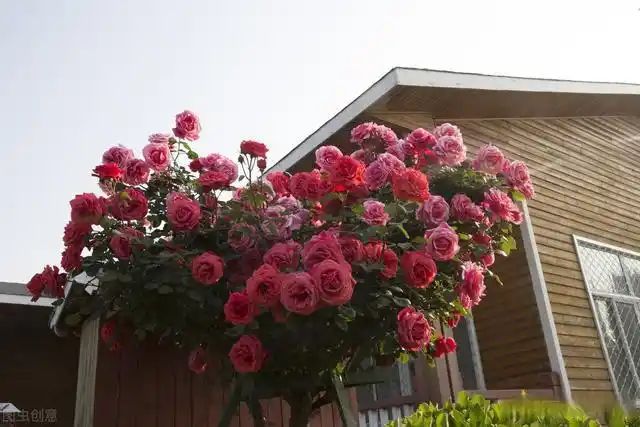
Roses have fewer colors, which can be understood as very conservative and simple. They usually have only four basic colors: red, yellow, white, pink. The other colours are largely false, such as black roses. The moon flowers are different. They are rich in colours, colours and variations, and they are well described by the magic。
In addition, the bouquets of the season are short, they are thin, they bloom, and the roses are long, they are covered in thick sacks, and the “spoiled roses” come as a result, only once a year in april-june。
Conclusion: the colours are roses and the colours are seasons。
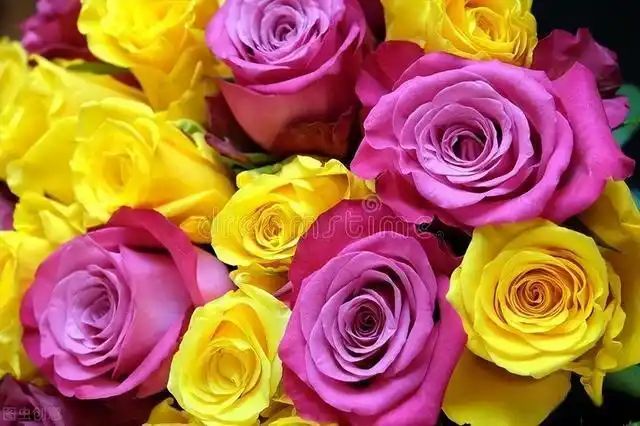
Third move: smell it
The scent is the soul of flowers. And the flowers of gwicco have a certain scent, even when the wildlings on the side of the road bloom, but they smell differently。
The words “the giver of roses, leave behind the fragrances” are the old saying of the population and the truth. It means you send someone roses, and you leave something on your hands. This sentence not only persuades people to be good, but also directly describes the fragrance of roses as very rich。
The fragrance of roses is unique and radiant, the spleen of the heart of a man, but the fragrance of the season is dim and empty in the presence of roses, with only a faint fragrance。
Conclusion: the roses are fragrance, and the seasons are fragrance。
You don't have to know the difference between roses and other biology between the seasons. If you hold these three points, you'll be able to impress your fellow friends and believe you're an expert。
“the inter-tribunal rose tree, with a fragrance. "red manau in the springs, the black coral." as knowledge, it's natural best to distinguish roses from seasons, but in life, roses are happier than seasons. Imagine that roses are only opened once a year. How can you be given so many roses that symbolize love? It's probably the essence of a fool's mind。