Every time i pass through a flower shop, i hear people say, "is this a rose or a season?" and it's not just that ordinary people are confused, but that even flower shop operators sometimes do it in a "muffled" way -- after all, 80% of the roses that are hot on the market are cut in a flower season. But as a florist, it's the separation of the two viveco sisters that really understands flowers. Today, from five core dimensions, you'll get to know the difference between the season and the rose。
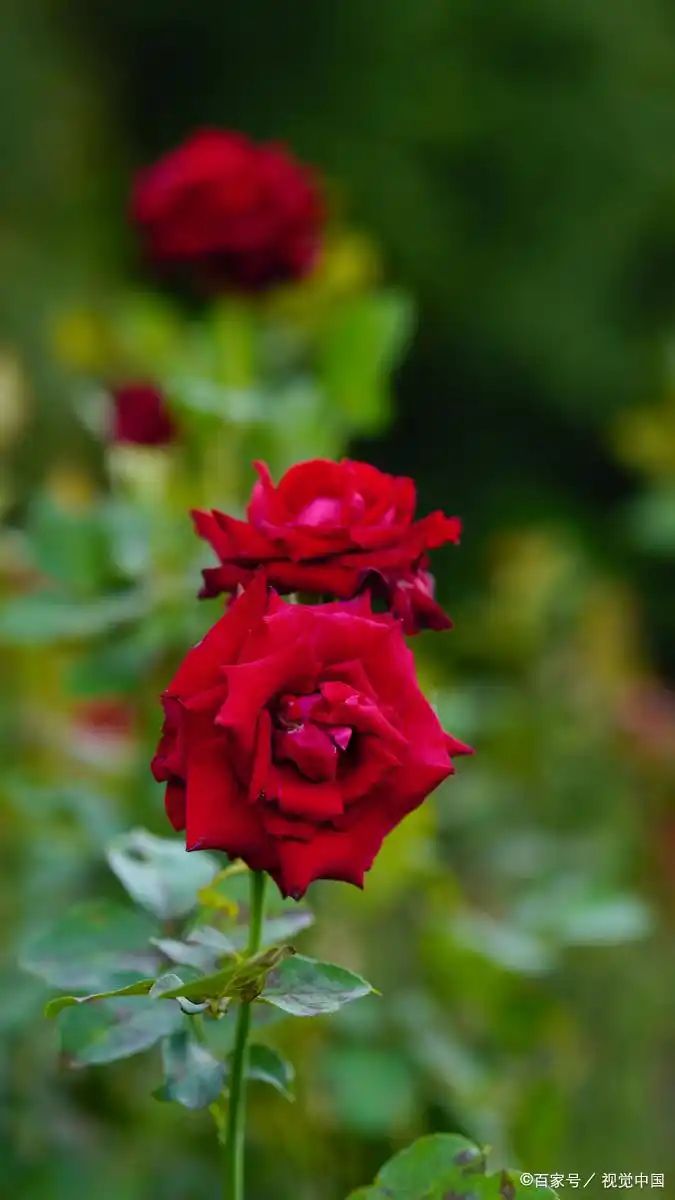
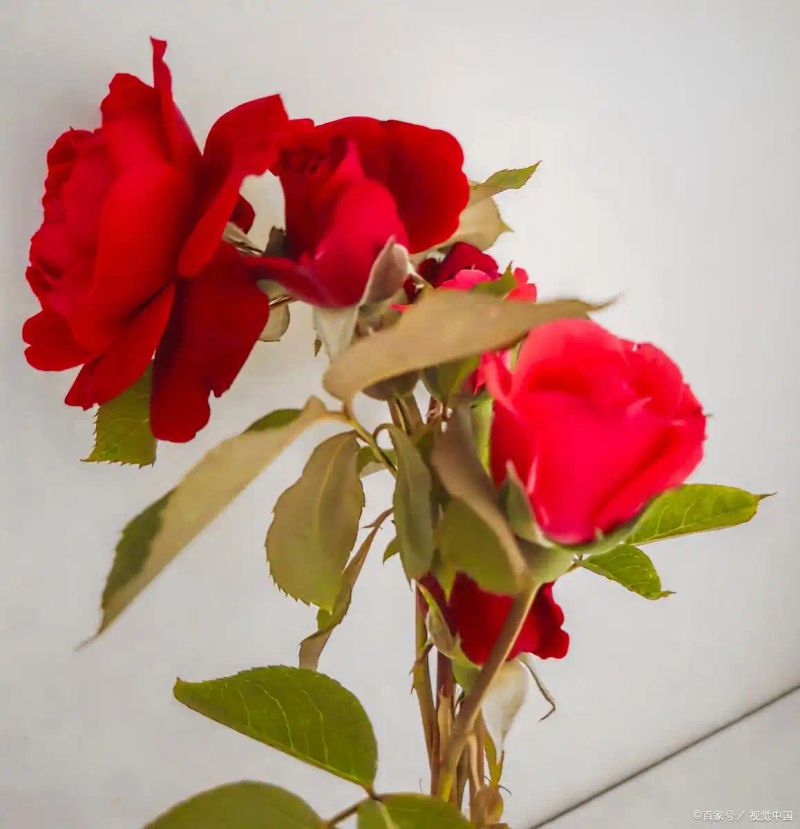
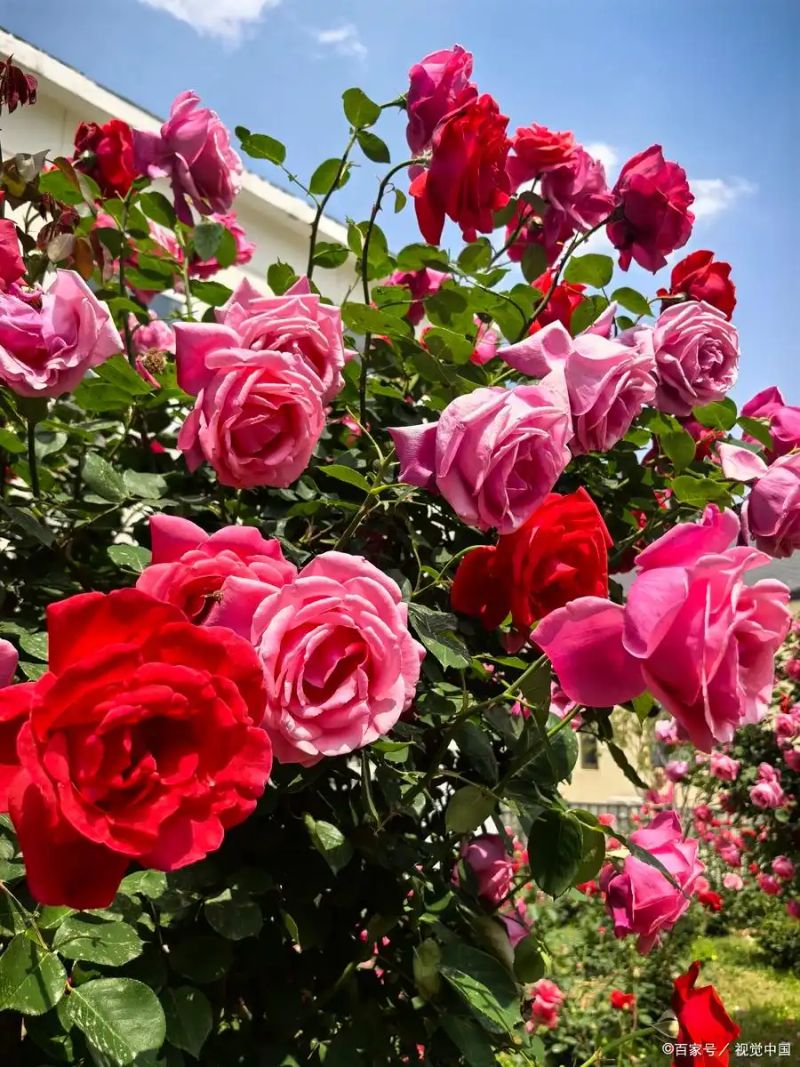
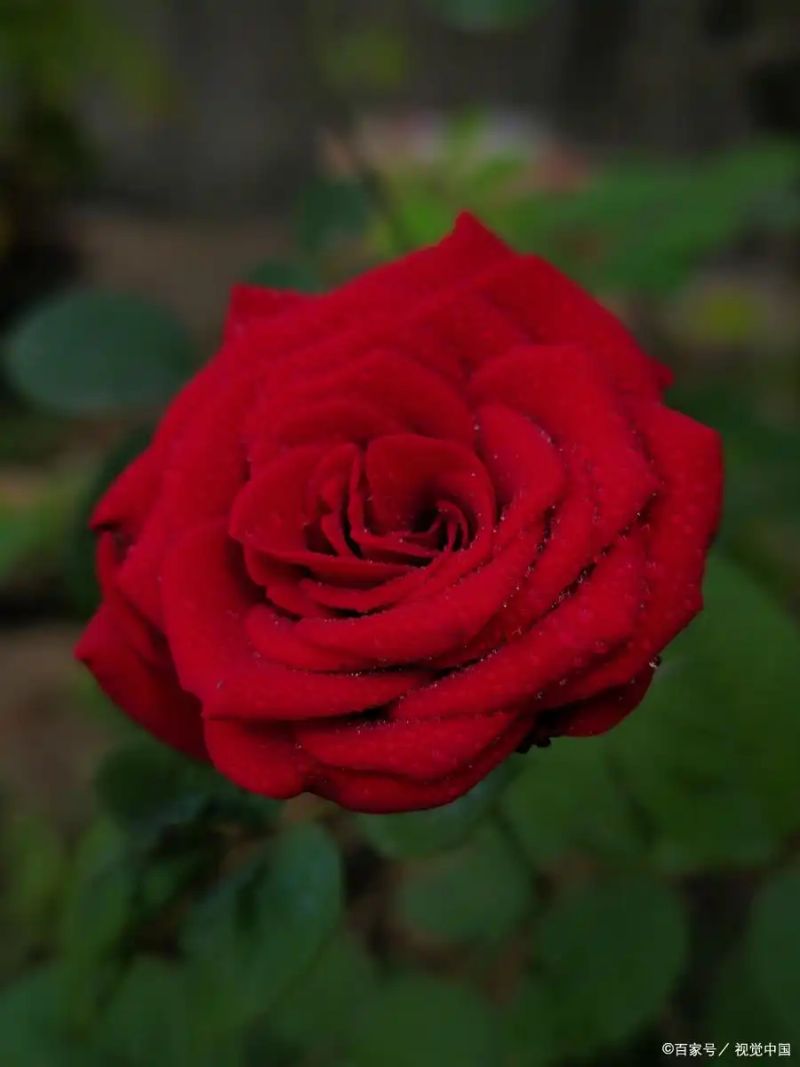
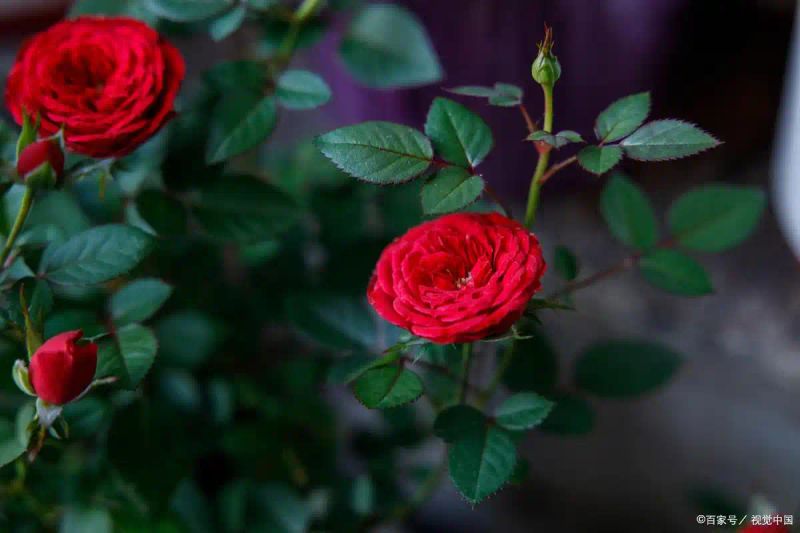
I. Leaf: the most visible “identity card”。
If you want to make a quick distinction between the two, look at the leaves! This is the most difficult feature to confuse:
(a) seasonal flowers: leaves are usually three to five blades, the face of the leaves is smooth and glitter, the edges are thinner, the touch is thick and of good quality, and even water is not easy to stain
Roses: a larger number of leaves, usually five to nine, and leaves are covered with tiny fur, a little rough, light green, more dense and sharp on the edges, and easily adsorbed with dust。
The next time you see the bushes, look down at the leaves, the big chance that three-to-fives are smooth is the season, and the 5-9s are the roses。
Flowers: sizes, layers, scents。
The pattern of flowering is the most striking difference between the two:
Flowers and size: the flowers are larger in the season, usually 5-15 centimetres in diameter, the petal layer is stacked and organized, and the flowers are full of round, for example, the usual "carolla" "fellow mountain" is a typical cut-off season; roses are more compact, with a diameter of 3-8 centimetres, and the edges of the petals have finer curls, which look "sweeter" but small。
Flowers and aroma: the color of the season is called "rainbow" and, in addition to red, pink, white, yellow, purple, orange and even double colours (one color), while the color of roses is relatively monolithic, mostly red, pink, white, yellow, with few particularly colours. The fragrance of roses is thicker, the raw material for the making of perfume and oil, which can be smelled clearly in close proximity; the fragrance of the season is lighter, and some varieties have almost no fragrance。
Iii. Tube stem: the “density” of the thorns。
When you buy flowers, you touch the stem, and the difference immediately becomes clear:
(a) seasonal plumes: small and large pricks, with a wide distance between each prick, and some rims at the top of the pricks, which do not feel particularly strung or even easily grab the stem
Rose truncheons: the thorns are so small and so thick that they are covered with a whole stem, the top of the thorns is so sharp that they have a sting, and there are tiny thorns on the handles, in addition to the main truncheons。
Disparity between flowering and flowering。
In terms of the frequency of flowering, they're like two plants:
The season flower: a well-established "worker" who can "month flower" with the right maintenance, temperature between 15 and 25°c, and lasts from spring to late autumn, and in some parts of the south it can bloom in winter
Roses: a typical “season flower” with most species blooming only once a year, with periods concentrated in may-june, with a few species able to open twice after careful maintenance, but far less frequently than the monthly season。
V. Use: a division of labour between appreciation and practicality。
Because of their different characteristics, they have different uses:
The season flowers: mainly used for viewing, whether they are gardening, balconies or cut flowers in flower shops (that is, what we often call roses), are the “home field” of the season, with tens of thousands of varieties to meet different needs for viewing
Roses: more for use in practical scenarios such as eating (rosa sauce, rose cakes), refining oil (skin, perfume), making tea (rose tea) because of its fragrance and high levels of active content, which are much less valuable than the monthly season。
After this, will you never mix the season with the roses again? In fact, a simple note can distinguish between: "the sun leaves bloom, the moon season, and the fragrance of the hair, the roses." next time you go to the flower shop or go to the garden, try to identify it with these methods