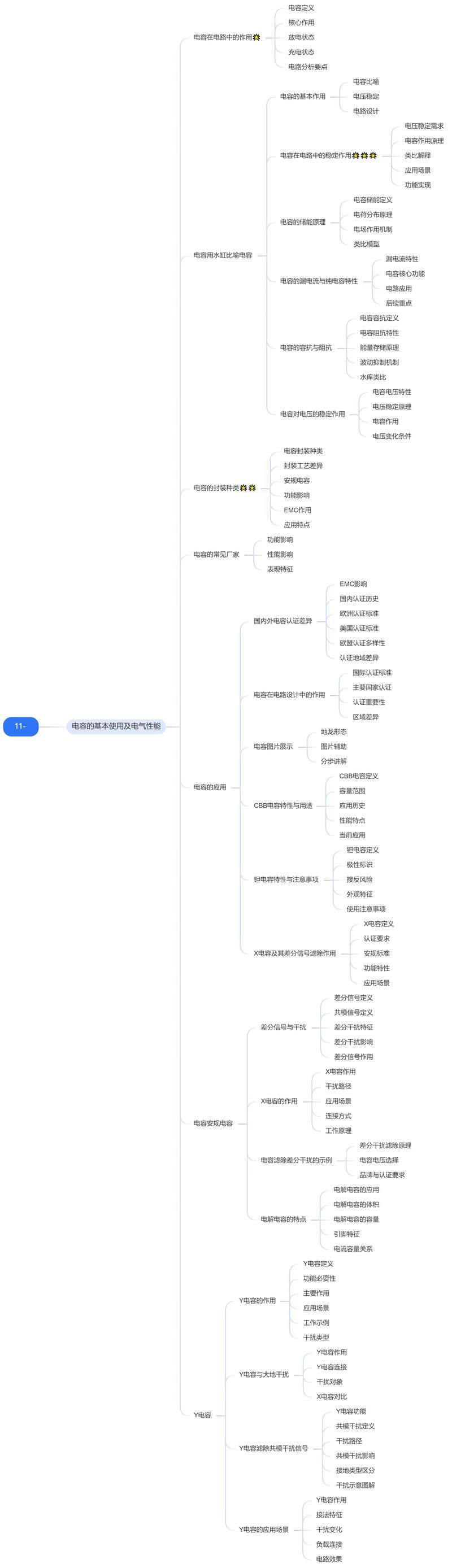
The electricity's functioning in the circuit

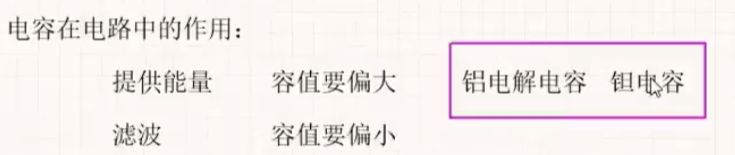
Working state: two working modes, chargeable and discharged, depending on the direction of energy flow

1) as an energy source 2) as a storage element 2. 1. Capacitive storage principle 3. Maintaining voltage stability in circuit design is fundamental
Both ends of the capacitor's voltage
4. Absorption of the capacitive current and pure capacitive characteristic 5) capability of the capacitor and blockage of the capacitor
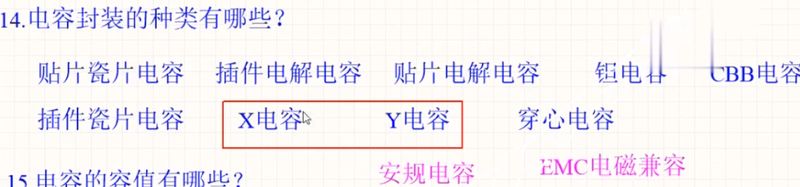
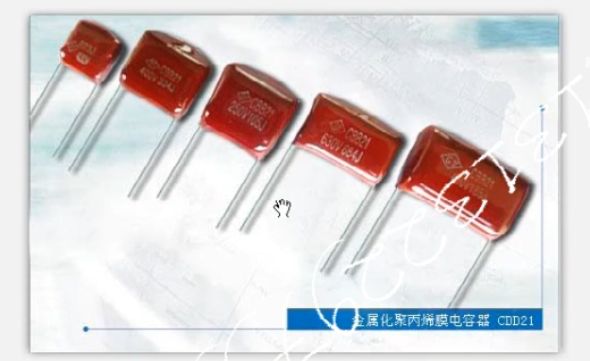
Main type: installed capacitor characteristics: 6. 1. 1 cbb capacitor properties and uses of the capacitors by 6. 1
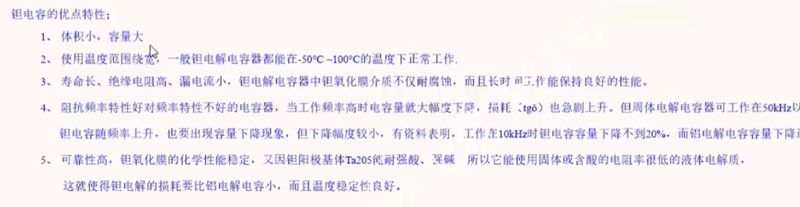
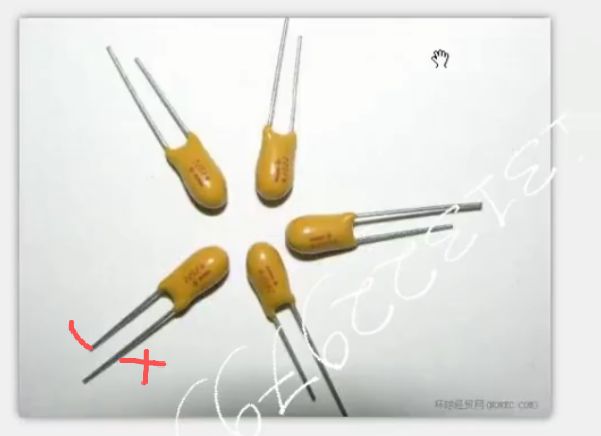
Application characteristics: 6. 1. 2 tantalum capacitive properties and care
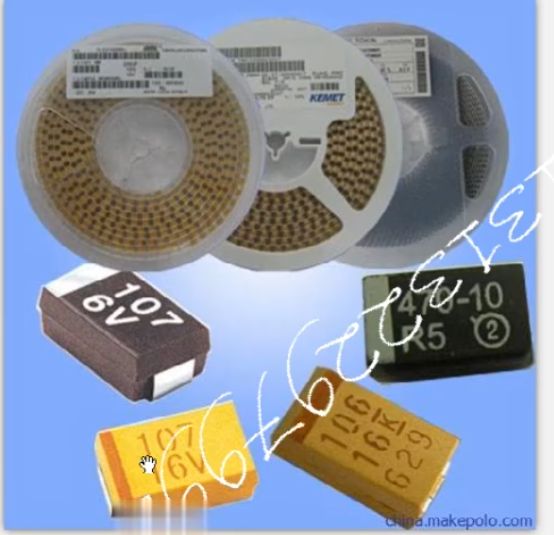
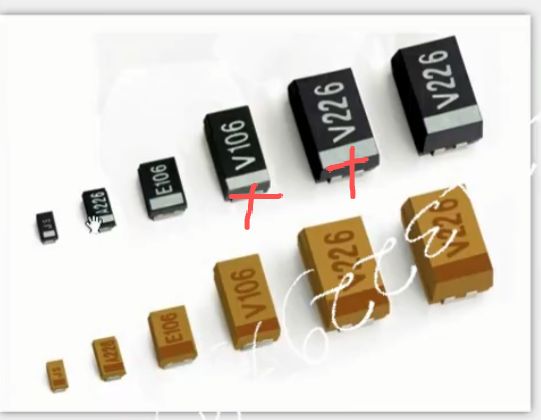
Small use, small capacity
Advantages of tantalum capacity
Disadvantages
6. 1. 3 x capacitor
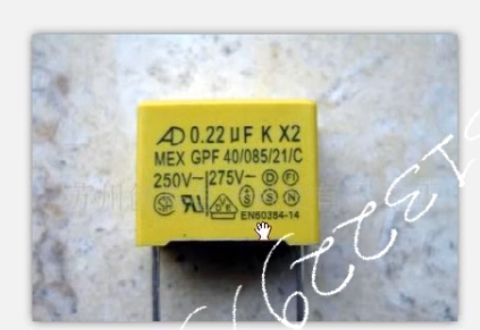
Circuit function: primary function: the source of interference between two signals that filter differential signals. Modus operandi: connecting the electrical capacity between two lines of signal, the jamming signal is short-circuited through the electrical capacity. Typical application: provide low resistance circuits through x capacitor when there is a current flow between two lines that should not exist。
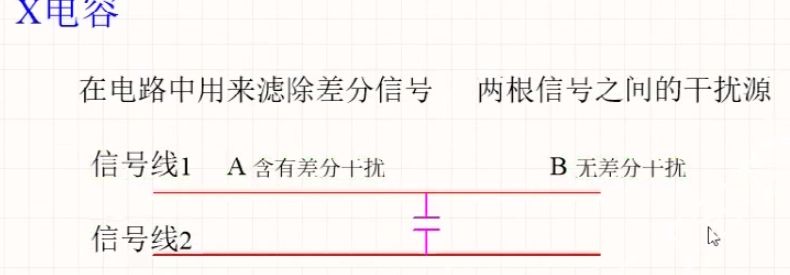
Actual effects: x-capables are inserted in signal transmission paths that effectively disrupt the spread of differential interference. The level of voltage is critical
6. 1. 4 electronics
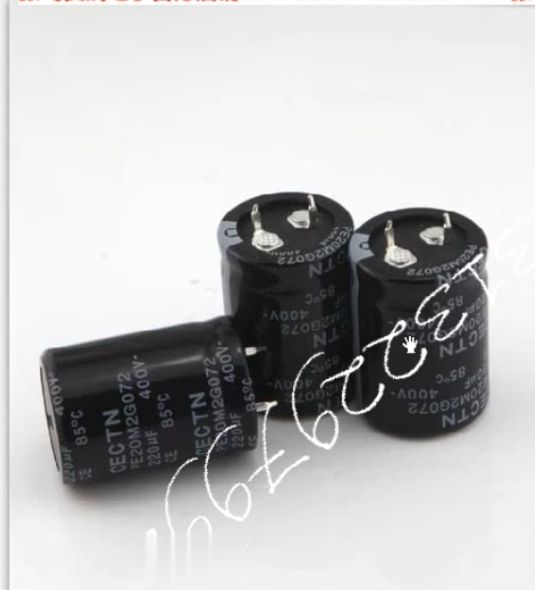
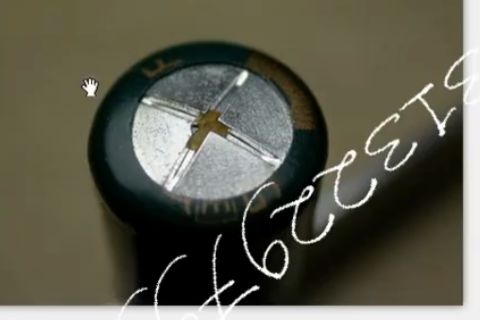
Volume characteristics: large but particularly large, suitable for large current conditions。
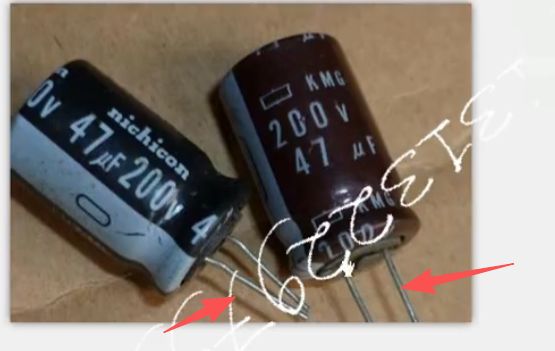

Aluminium electrolytic capacitor
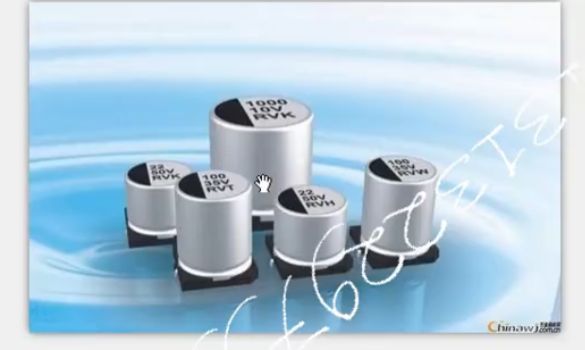
6. 1. 4. 1 characteristics of defects in aluminum electrolytic capacitor and aluminium electrolytic capacitors with plugs;

Physical connection: 6. 1. 6 china capacitor
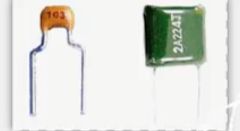
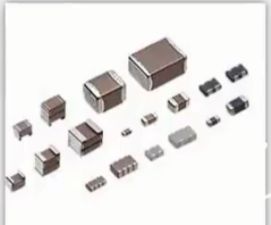
It's also called a monolithic convulsion, similar to the adhesive porcelain condensation structure
Small capacity filters (under μf level), but there are many other circuits in practice
Common plant selection proposal for capacitors: price factor: polar differentiation: application note:
Appliance applications
Summary i:
Knowledge point
Core content
Easier to confuse/notice
Apply scene
Basic function of the capacitor
Energy is provided as a “source” in circuits, in both charge (storage energy) and discharge (release energy) states
Distinguishing charge (external to capacitive) from discharge (capacitation to later circuit)
Power filter, energy buffer
The voltage properties of the capacitor
Both ends of the electric convulsion can't mutate
The relationship between voltage stability and capacity
Pressurized circuits, transient protection
The power of the capacitor
Storage of electric power by electric field (plus or minus charge on both sides of the medium)
Balance between media insulation and leaks
Hf circuits, energy recovery
Capability classification and uses
Porcelain capacitors (small capacity), electrolytic capacitors (large capacity), tantalum capacitors (polarity), x/y capacitors (standard/emc)
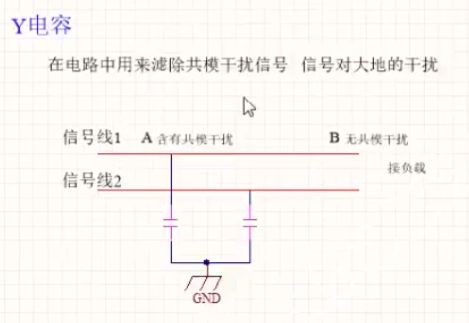
Tantalum capacity polarity explosion back-to-back; x capacity differential interference, y capacity filtering co-module interference
Power design, emc modification
Equipping (x/y)
Cross-filtration interference between x-carrying signals, y-carrying signals-land filtering commo interference
Functionally not necessary, but affecting emc performance
Electrical authentication (ce/ul/3c)
Analogous models of the electricity
Water reservoir supposition: water storage (charging) regulates current fluctuations (stable pressure)
The reservoir capacity corresponds to the capacity, and current fluctuations correspond to voltage
Intuitively understanding the pressure of the capacitor
Process type of capacitor
Paste (small size) vs plugins (flow load strength)
Difference between hf characteristics and parasitic parameters
Pcb layout, high frequency circuit design
International certification standards
Europe ce, ul usa, 3c china, pse japan
Authentication capacitation requires authentication number
Design for export electronics