On september 14th, china's new online sea (journalist chen jing) had very limited choice of medication for second-line treatment for pancreatic cancer, and on september 14, journalists were informed that china's autonomous development of a drug, the eidididingcontern injection fluid, showed good anti-tumour activity and safety in pancreas cancer second-line treatment and was expected to become a standard treatment for late-stage pancreas cancer second-line treatment, offering new treatment options for patients with pancreas cancer in china。
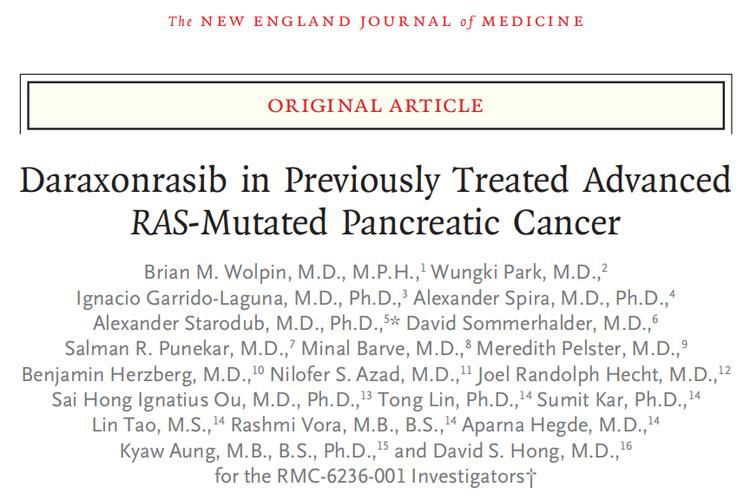
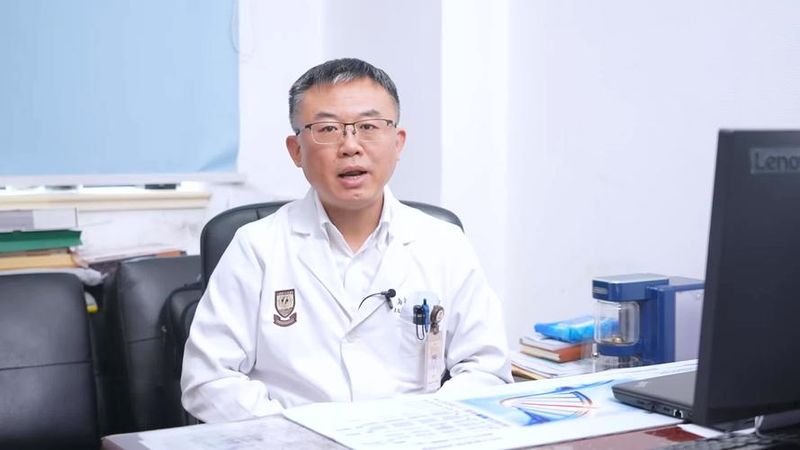
At the recently concluded annual conference of the european oncological science society (esmo) in 2022, the kanzi hospital, affiliated with the medical school of shanghai university of transport (hereinafter: professor wang liwei, director of oncology section at ingi hospital, on behalf of the research team, brought together research exclusively aimed at the chinese population: iridium nitonic acid injection combined fluorine (5-fu)/folic acid (lv) second line treatment for advanced pancreas cancer. The results of the study show that the treatment programme significantly reduces the risk of disease death and progress for patients。
Esmo is known to be one of the three leading global oncology societies. The large number of new cases of pancreas cancer in china places a huge burden on the health and life of the population。
Pancreatic cancer is often diagnosed late because of its hidden symptoms, and treatment is largely dependent on medication. However, there are currently very limited options for first-line standard treatment for pancreas cancer, and second-line treatments, which are based on the choice of first-line treatment for unused gisitabin, are close to a drug-free situation。
The study, led by professor qin qin and professor wang li wei of the ingi hospital of the eastern field general hospital, is a multi-centre, random, blind and cross-iii clinical study. The study included hundreds of cases of failed local advanced or terminal pancreas cancer in the first-line gisitabin, treated under different programmes. Researchers have explored the iridium oxidin compound. The urine/leaf acid programme cannot be removed from local advanced pancreas cancer or transferal pancreas cancer after the first-line ghisitaline treatment fails. The results show a significant reduction in the risk of disease mortality and progress in the eliteroxin complex compared to the consolation group. (concluded)