Report title: combination of first principle calculator and experimental techniques to demonstrate catalyst material performance
Reporter: dr. Zhang inqin
Research scientist

Mcketta school of chemical engineering, university of texas, austin, united states
Voiland school of chemical and biological engineering, washington state university, usa
Time: 7 august 2018, 10-11 august 2018
Location: 209 academic report office, south ridge school mechanical materials library, jilin university
Organized by the faculty of materials science and engineering of the university of jilin and the focus laboratory of the ministry of automotive materials
Summary of report
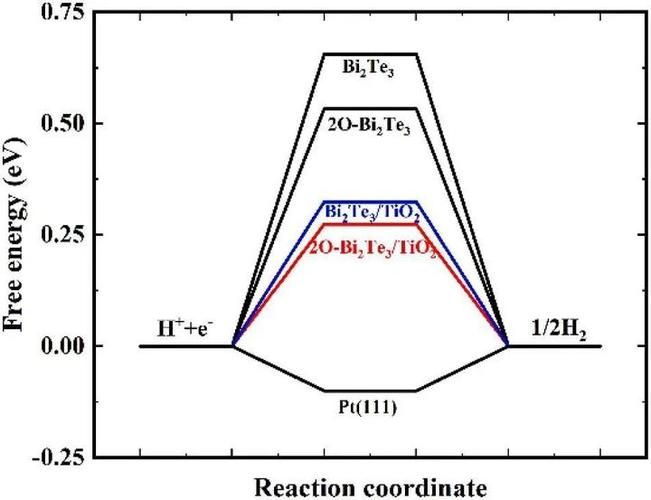
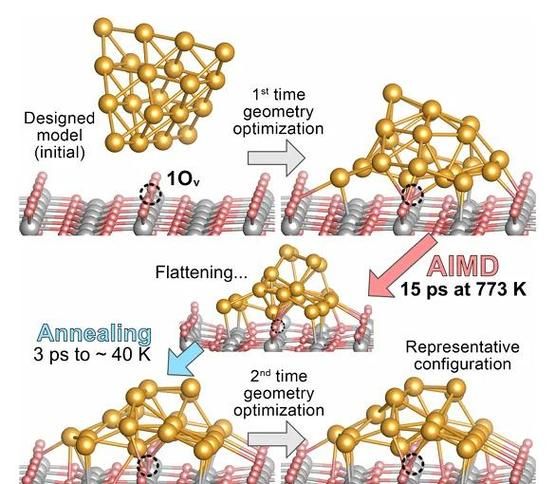
As computing capacity develops, the first principle approach is better and the results of experiments are mutually supportive. At the same time, the results of the calculation of the first principle reveal the physical nature of the catalyst material at a deeper level, while providing entirely new arguments in support of the new theory. The present report summarizes the results of my studies over the years, which directly compared the results of my studies using the first principle calculation method and experimental results, including the infrared spectrospectral (ir), x-ray electronic energy spectrum (xps), x-ray absorption of peripheral structures (xanes) and x-ray spectroscopy (xes), sweep tunnel microscope (stm) images. Ir, xps, xanes, xes, stm and the corresponding experimental results, calculated through the principle of primary properties, are directly compared to a good understanding of catalyst material performance at the electronic and atomic levels。
Mr. Zhang inqin
Dr. Zhang inqin graduated from the faculty of material sciences and engineering at jilin university in 2011 and is taught by professor jiang qing. Following his graduation, he received funding from the korean bk21 project for a one-year postdoctoral study at the yonsei university school of material science and engineering. He then went to washington state university, united states, to continue postdoctoral research. Mcketta school of chemical engineering, university of texas, austin, united states. Dr. Zhang was mainly involved in energy-saving abatement of catalyst molecular structures associated with clean energy and their simulation of the primary principles of catalytic mechanics, theoretically predicting a model of catalyst molecules with a good catalytic function, supported by experimental results, providing atom, electro-level physical understanding of catalytic mechanisms for experimental exploration, and producing a series of research findings and innovative theoretical perspectives. Published more than 26 articles of the sci journal. The results of the research have received the attention of many researchers in the field and have been cited more than 570 times。