The circuit board short circuits plus the age of the metaware
The four main categories of localized damage, chain failure, safety risk, hidden after-effects are grouped in order of weight and combined with the description of the principle of the circuit。
I. Pure ageing (no short roads, gradual failure)
Ageing is the drifting of parameters, the decay of performance, and is mostly slow to fail:
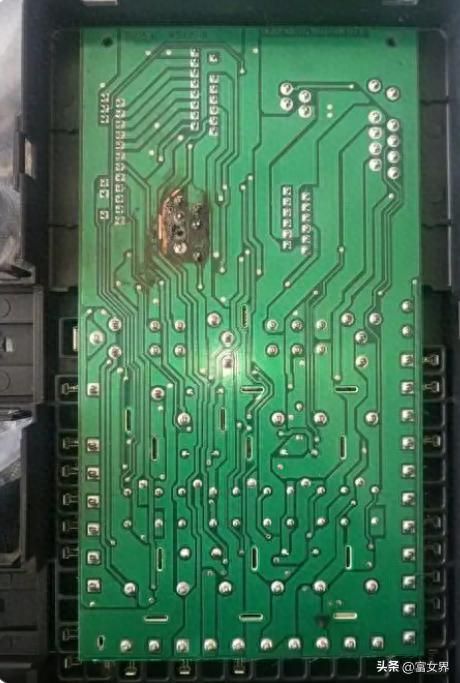
1. Electrical
The electrolytic capacitor is the most aging: reduced capacity, larger leaks and higher esrs。
Consequences: larger power lines, unstable voltage, unusual loads, frequent restarts, noise/disruption。
Serious: capable drum packs, leaks, corrosive perimeter lines/components。
2. Electrical resistance
The barrier is drifting, power decaying, carbon membrane fragmentation。
Consequences: fragmentation/discretion circuits, shift of tripolar tubes, chip work points, malfunctioning of equipment and loss of precision。
3. Semiconductors (triodes, mos tubes, ic)
Leakages increase, resist pressure drops, switch properties vary。
Consequences: control failure, reduced carrying capacity, increased heat。
4. Lines/weld points
Copper oxide, welding welding welding/welding, welding powder。
Consequences: intermittent breakdown of equipment。
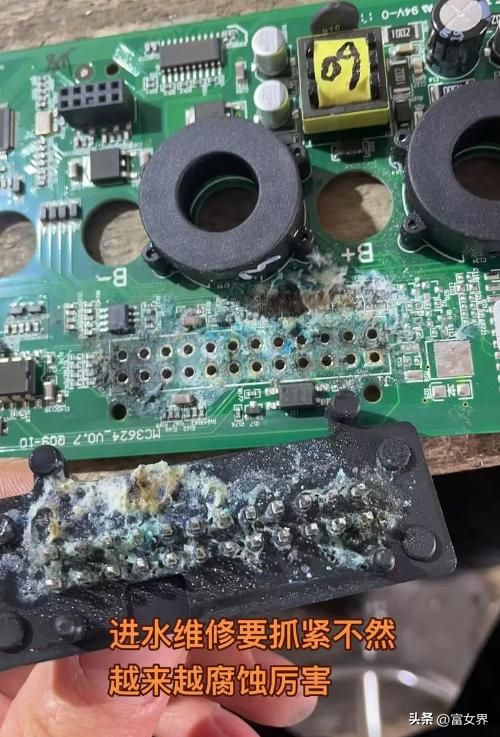
Ii. Short circuits (accidental failure, destructive power much greater than mere ageing)
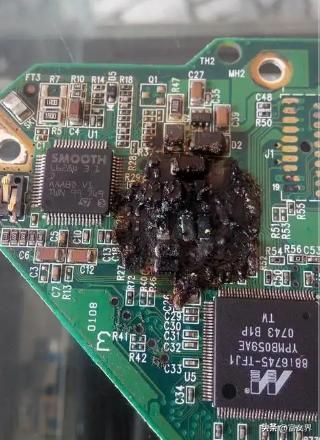
Short circuit = high and negative direct connection, low blockage of circuits/components, instant electric currents, consequences hierarchy:
First tier: flow-limited/protected elements burned first (first line)
- cracking of fuses, breaking of electrical resistance, bursting of electrical resistance, permanent failure of self-rehabilitation fuses。
- symptoms: complete power cuts, no reaction。
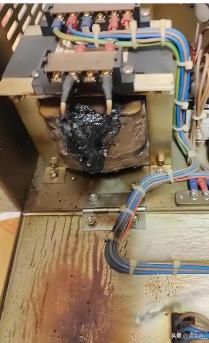
2. Level two: power units, power loops burned down
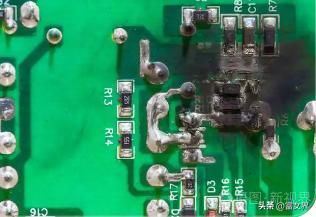
Large current priority shock low internal resistance component:
- holistic bridges, diodes, tripolar tubes, mos tubes, steady-pressure chips piercing short circuits (permanent conductor after penetration, unable to recover)。
- bronze lines are overheated, burned/burned, adjacent lines are attached and short-circuited。
- the electrolytic capacitor is hit by reverse voltage/high current, blasting, bursting, electrolytic corrosive layer。
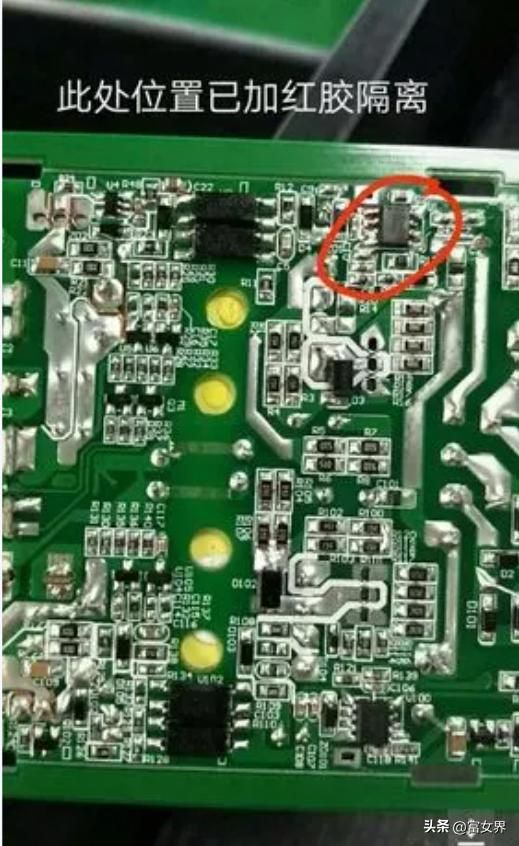
3. Level iii: damage to master-controlled chips, small signal components
After the failure of the front-level protection, high-pressure/large currents move into weak electrical areas:
- tilts, stickers burn, break roads。
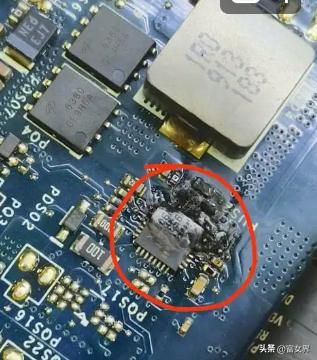
- single machine, calculator amplifier, driver ic, sensor internal tort penetration, chip scrap。
Symptoms: equipment electrified signal light flashes, malfunctioning, failure of buttons, total non-working。
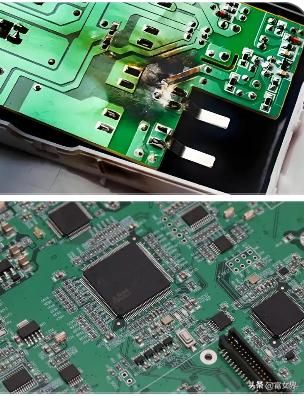
4. Phase iv: permanent damage to the plate and structure
- threading within multiple layers, carbonization of panels, formation of hidden leaks/micro-short circuits。
- the permanent insulation of circuit boards after carbonization, repeated firings, power leaks and repair is highly vulnerable to secondary failure。
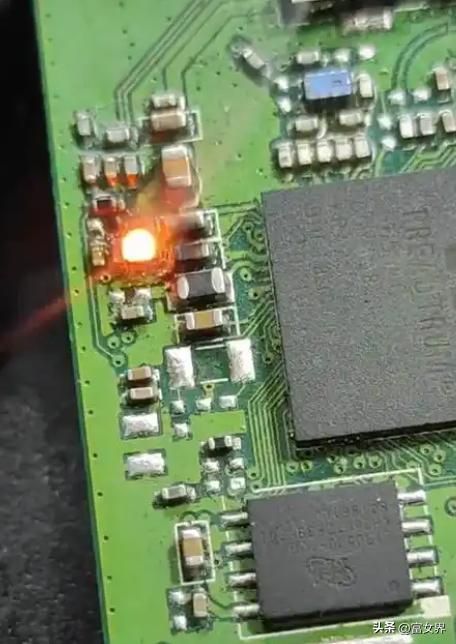
Iii. Aging + short circuits superimposed (most common, most difficult to repair)
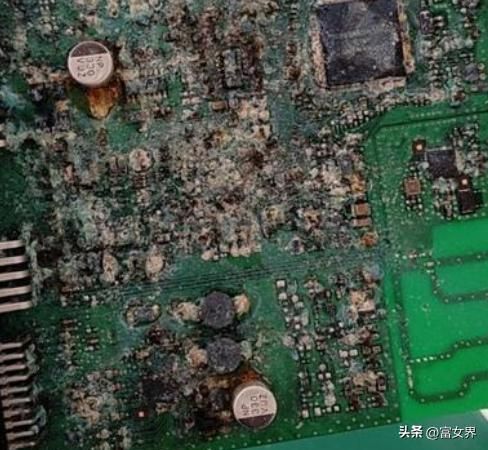
Aging leads to short circuits, which in turn accelerate ageing and form a vicious circle:
1. Capable aging leaks corrosion of perimeter lines micro-short circuits quantities of electric currents quantification of the heat of elements quantification of aging。
2. Welds are old, welded, exposed to increased electrical resistance, local overheated fire, high temperature blows through insulation, adjacent to short feet。
3. Aging resistance pressure drops → direct blow-through short circuits under normal working voltage。
Add consequences:
- repeated failure and the replacement of the components will soon be burned again。
- the range of failure spreads from a single element to a circuit damage。
- the insulation of circuit boards is completely poor and the value of maintenance is significantly reduced。
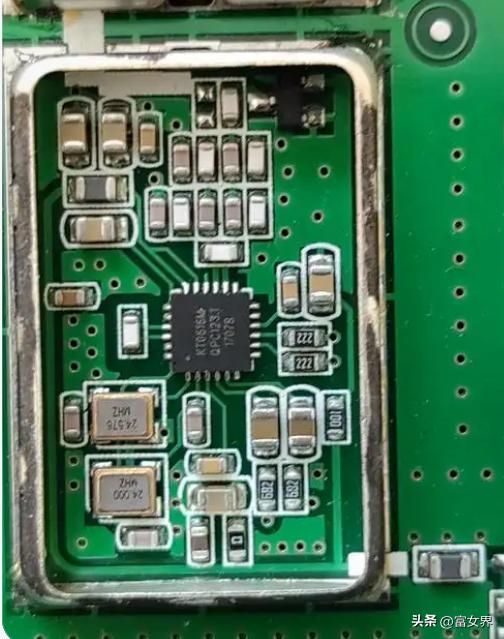
Iv. Serious consequences in the safety category (outdoor/home electric/workboard focus)
1. Fire risk: short-circuit large currents, high-temperature welders, dust, plastic casings。
2. Leaking of electrocution: strong and weak insulation through, insulation carbonized, and case electric。
3. Second wave: short circuits produce high-pressure peaks in short circuits, enter the grid and burn other appliances on the same circuit。
A brief summary / a reminder
1. Pure ageing: slow failure, intermittent breakdown, poor performance, retrofitting。
2. Pure short circuits: sudden power outages, component burns, blasting caps, damage concentrated around short circuit points。
3. Ageing + short-circuit superheavy: proliferation of malfunctions, repeat repairs, carbonization of circuit boards, priority examination of electrolytics, welding points, power tubes。
Prioritization of overhauls: first check drum bag/spill convulsion, burn black electrical resistance, blow through semiconductor。