Many growers and growers are upset, the vegetables in the field are not growing, leaves are yellow and pests are sick, and the purchase of fertilizers and pesticides costs a lot of money. It's the waste urine that we usually lose, which is the best natural organic fertilizer, and today we share with you a set of practical methods that can increase the production of vegetables with no money。
I. Why is urine fat? Low-cost and efficient bottom logic
It's what we used to do when we grew up and we didn't have fertilizer. The urine contains various nutrients, including nitrogen, phosphorus and potassium, which are essential for crop growth. Nitrogen in this category promotes foliage, phosphorus contributes to flowering, and potassium increases resistance to crops and makes them thicker. Also, urine is a quick-effect fertilizer that can be absorbed by crops more quickly when applied to the soil, improving not only the soil structure as compared to the purchase of fertilizers, but also improving the soil structure, using long-term uses that do not result in soil sheeting like fertilizer, especially for those farmers who grow vegetables and food。
Ii. Key step: the urine cannot be used directly and must rot and ferment
A lot of old people may think that urine is just going to go in, but it's a big mistake. Fresh urine contains substances such as urea, urea, which can burn the roots of the crop and breed bacteria and insects. It is therefore necessary to decompose the hazardous material into nutrients that can be absorbed by the soil。
Specific fermentation methods:
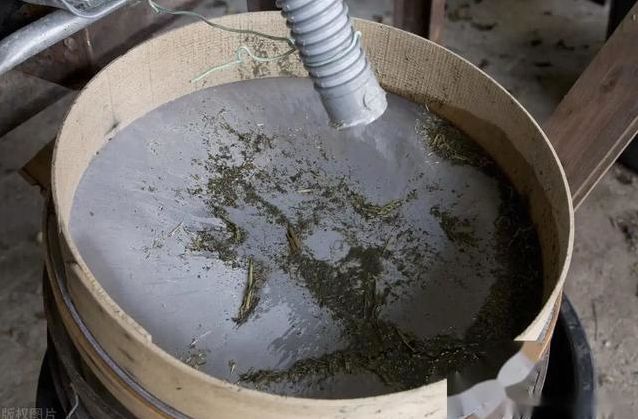
A sealed container, such as a large plastic drum and a pot of ceramics, can be prepared without metal containers to avoid chemical reactions. Put the collected urine in the container, fill it up to eight cents and leave room for the gas to excrete. Add a proper amount of fermentant, which is not the kind of fermentant that you buy, and we can use the rotten fruit, rice water or em fungus fluid in the orchard, plus a spoon, to speed up the fermentation and reduce the smell. Without them, you can't. It's just that the fermentation is slower. Seal the container and place it in a well-soiled area, and the temperature fermentes faster. The average summer fermentation takes 7 to 10 days and winter takes 20 to 30 days. During the fermentation process, gas is generated, and the lid is to be pumped every few days in order to avoid convulsion。
To judge whether the fermentation is complete: when the lids are opened, there is no smell of stale ammonia, the colour becomes dark brown or light black, and the mass is even, the fermentation is done。
Water dilution is key, with different crop uses
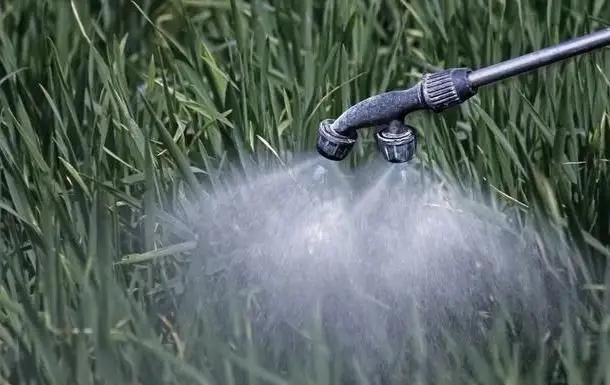
The fermented urine cannot be used directly, it must be diluted with water, and at too high concentrations it burns seedlings. Dilution rates vary between crops and stages of growth, and it is important for the countryside to remember clearly。
(i) vegetables (chorus, spinach, lettuce, etc.)
Such vegetables eat mainly leaves and require more nitrogen fat. The fermented urine and clean water are diluted at 1:10, i. E. One urine plus 10 water. The application begins about seven days after planting, every 10-15 days. It is poured around the roots of the plant and not on the leaves so as not to burn them. Each acre is controlled at 500-1,000 kg, which promotes the rapid growth of the leaves and allows the leaves to be green and thick, increasing their yield and quality。
(ii) vegetables (cucumbers, tomatoes, beans, etc.)
These vegetables require long leaves in the early stages, the later stages of flowering and the phased application of fertilization。
Shrimp period: fermented urine and water are diluted at a rate of 1. 15 per cent and are poured every 10 days to promote healthy growth and increase resilience of young children. The flowering outcome period: at this time, more phosphate fattens are needed, fermented urine and water are diluted at 1:8, while a small amount of grass-wood ash (1:100) can be added, which is rich in potassium and increases the rate of sit-in, allowing fruit to swell and taste. It is poured every 7 to 10 days until the harvest is over。
(iii) fruit trees (peach trees, pear trees, apple trees, etc.)
The roots of fruit trees are well developed, they are highly fertilized, and they are more fertilized than vegetables, but not at too high concentrations. The fermented urine and water are diluted at a rate of 1:5 and are distributed once each before spring, after flowering, and during periods of fruit expansion. Using circular or radioactive guttering, a ditch is dug outside the tree crown projection at depths of 20-30 cm, pouring diluted urine into the gutter and then the soil. The adult fruit tree is applied 10-15 kg per tree and the juvenile tree 5-8 kg per tree, which allows the fruit tree branch to grow and produce many and large results。
Four, three taboos. The pit
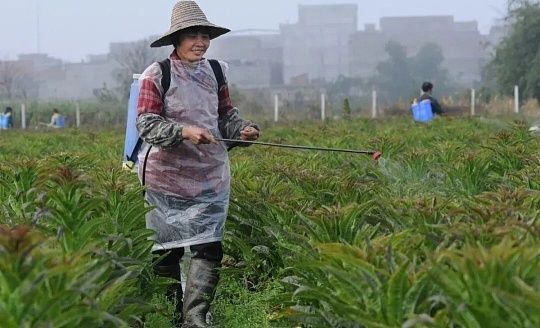
Resisting on saline: urine is micro-acid, saline itself is alkaline, and long-term application may increase soil salinization, and such plots do not recommend extensive use of urine fertilizer. If used, it could be combined with substances such as plaster and sulfur powder to improve soil alkalinity. Confusion with alkaline fertilizers: nitrogen in urine is subject to volatilisation under alkaline conditions and therefore cannot be mixed with alkaline fertilizers such as grasswood lime and lime, preferably at a distance of more than seven days. The urine of patients with common human and animal diseases: if the urine comes from people with infectious diseases or livestock, it may contain bacteria and parasitic eggs, which, when applied to the soil, can contaminate the soil and crops, cause pests and even affect human health。
Practical techniques: the best way to reduce odor and improve productivity
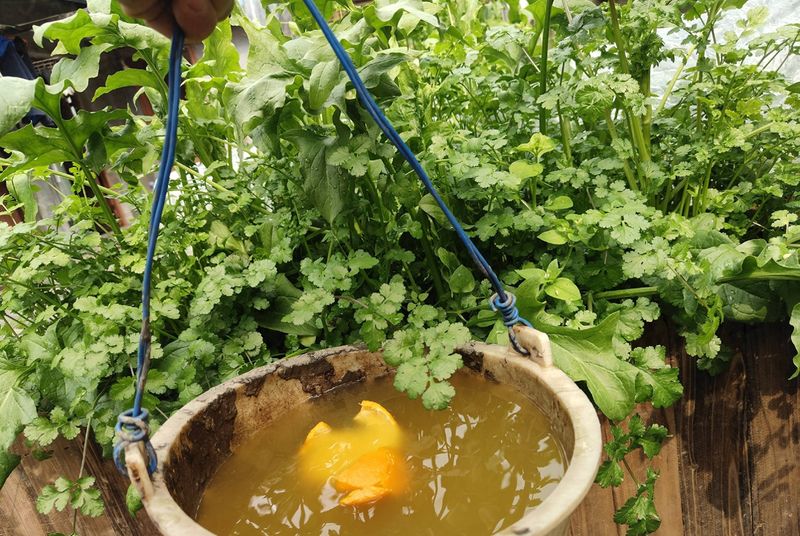
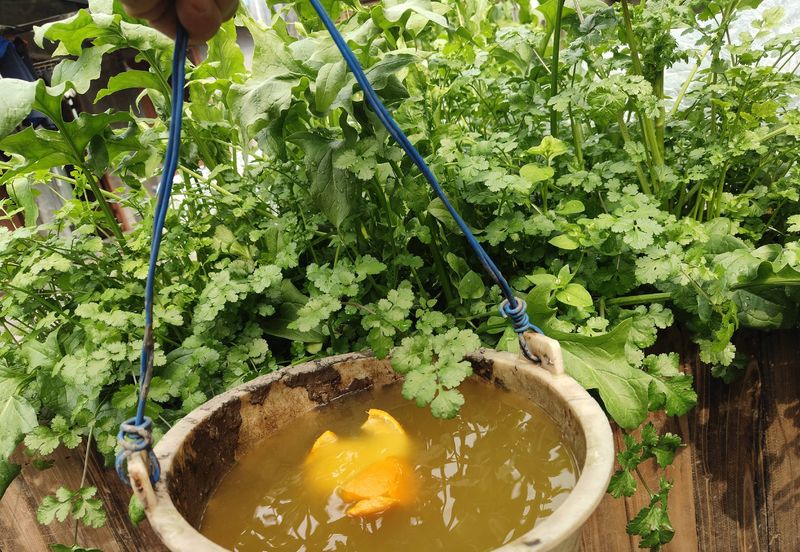
The addition of orange skin, grapefruit skin or vinegar to fermentation can effectively reduce odor and add some trace elements. When collecting urine, it is advisable to use clean containers to avoid mixing chemical substances such as oil stains and detergents, so as not to affect fermentation effects. Fertilizers are selected in the morning or evening to avoid fertilization at high noon temperatures, so that the water does not evaporate too fast, leading to higher concentrations of fertilizers and burns of the roots. After fertilization, water should be poured in time to help the fertilizer dissolve and permeate, so that crops can be better absorbed。
Vi. Real cases: response from corrective resources in the learning
Uncle li of the village next door planted two acres of cucumbers last year, initially using fertilizer, which resulted in thinly grown seedlings and frequent infestation, and then took my advice to use fermented urine fertilizer, which was applied in accordance with the above method. The cucumber seed grew so strong, the leaves were green, the cucumber was so long, the mouth was sweet, the production of a a acre increased by almost a thousand pounds over previous years, and it saved a lot of money by not hitting pesticides. There is also wang, the boss of the village, who has grown large-scale tomatoes, which are fertilized with urine and gravy ash. The rate of fruit-sitting has increased considerably. The tomatoes are full, sold and bought at higher prices than others。
Summary and advice
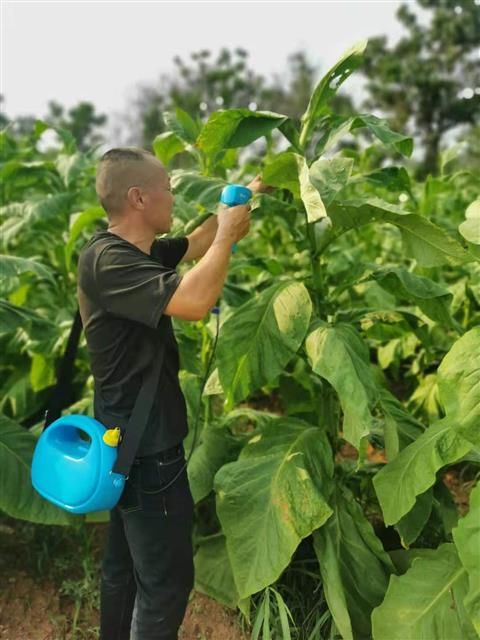
The method of urine fertilizer production, shared today, is simple, cost-effective and suitable for use by our farmers. Remember the central point: urine fermentes first, water is diluted, different crops vary, avoiding taboo harvests。
And finally, let's say, "the urine is a treasure, the fermentation becomes fat; the water is diluted, and the fruit of the vegetable is high; and the money is saved and the money is saved and the harvest smiles."