When we drive across a pole with an electronic eye, the electronic eye flashes, and the first reaction of a lot of people is a little bit like, "wasn't it broken?" according to the latest traffic control principles and explanations from the transfer authorities, the vast majority of cases (more than 90 per cent) were not illegal. It's usually just a camera working normally. The following is dedicated to deciphering the meaning of the electronic eye flash。
One is a flash: usually a “routine”, when you pass through the intersection or the gate, the camera flashes (white light), usually in the following two situations。
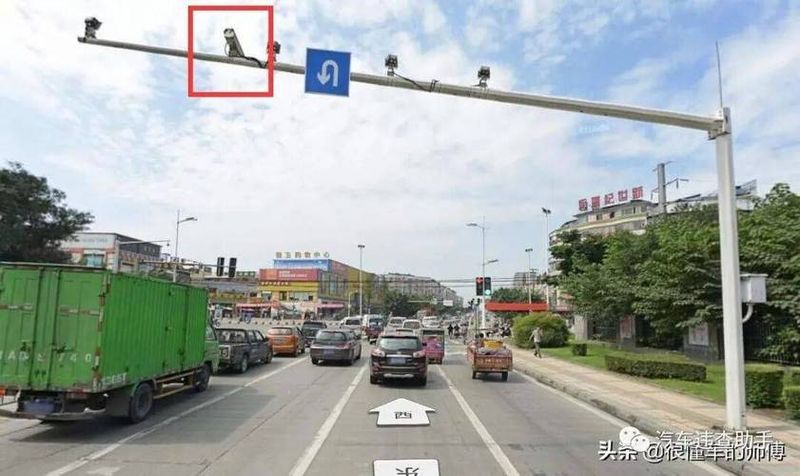
1 photos (most commonly): just as mobile phones need flashlights to take photographs at night, the camera automatically turns on the light when there is insufficient light (e. G., evening, tunnel entrance, dark day) to get the license plate, model and body colour。
2 flow statistics: this camera is called "catch surveillance" and its role is to measure traffic. Each car is taken and used to analyse traffic congestion. It's like a carnival ticket, just recording you've been there, and it doesn't mean you've done something wrong. See, flash, don't worry, just drive。
The second is two or three: it could be a “breach warning” but not an urgent conviction. If the camera blinks at you continuously, it does have a higher risk than a flash, but it doesn't mean "a mountain of proof":
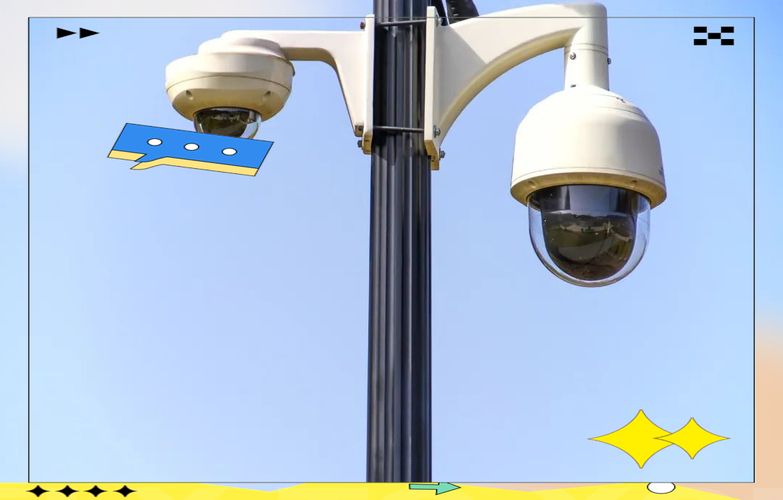
One out of two: it's probably the system's doing "reconfirmation." for example, the system preliminarily determined that you might press the line or overspeed, and then re-shooted; or simply because the first shot was not clear (e. G., it was masked by the front car), the system automatically reshooted。
Two flashes (focus on vigilance): this situation is more sensitive at the red and green lights in the city. As “red light breakers” are generally determined to require three photographs as a chain of evidence (crossing the stop line when the red light comes on, moving to the middle of the road and reaching the opposite road). There is a real risk of violations if there are three consecutive flashes。
At the speed range between high-speed zones, flashes may be just recording the time you pass through different points to calculate average speed, not necessarily illegal。
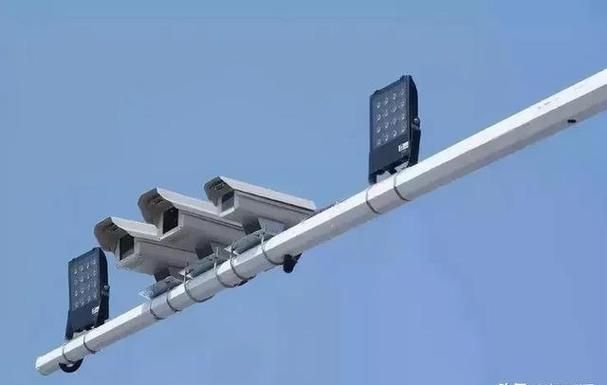
Three is security without flashing. The answer is no. The surveillance technology has evolved. Many of the new types of cameras (especially those that capture car calls and do not wear seat belts) use infrared or high-sensor components, without any visible flashes at work, but the images are still visible. So, let's not lose hope because we don't hear the sound of the hyena。
See, electronic eyes exist to keep everyone safe, not to fine. It's none of your business if you follow the rules of the road, not speeding, not breaking the red light, not walking in the street, whether it flashes or flashes. As long as there is no violation, there is no fear of fines. That's what you said