I'm the one who's the one who's driving. It's not really "genetic," it has a fixed trigger logic. It's not to teach you to "deep out" these seven patterns, but to avoid the pits that are easy to "get out of the way" and to keep 12 points and drive harder。

One: breaking the red light: 3 photos are bound to live and die
It's the toughest deduction (6 points), but the toughest。
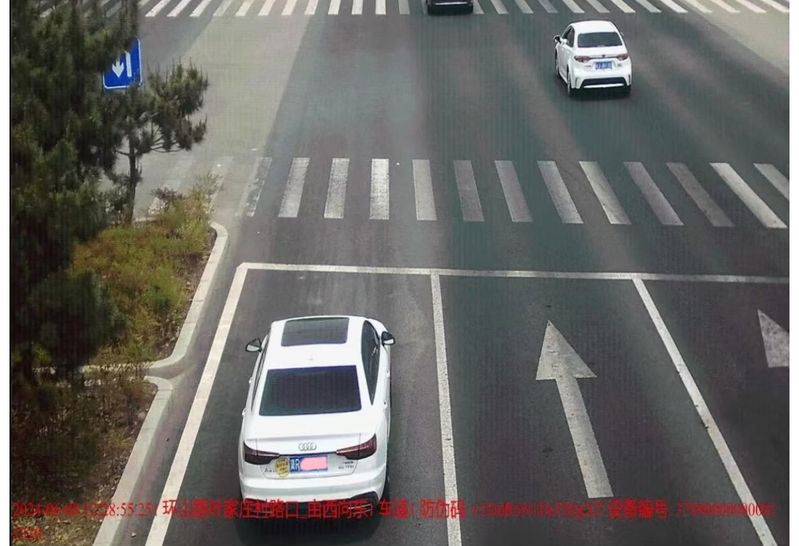
- the principle of capture: the system requires three consecutive photographs — the front wheel crossing the line, driving to the centre of the road and entering the opposite road. Not without one。
- a guide to hole avoidance: if the red light is on the front wheel line, stop right now. This usually refers only to “cross-line parking” (one point). Don't turn back. It triggers a double-check, and the lights are red。
Ii. Thrust line: ai recognition is sensitive and early diversion is the way of the king
The white line at the intersection, the flow line and the yellow line are "high pressure lines"。
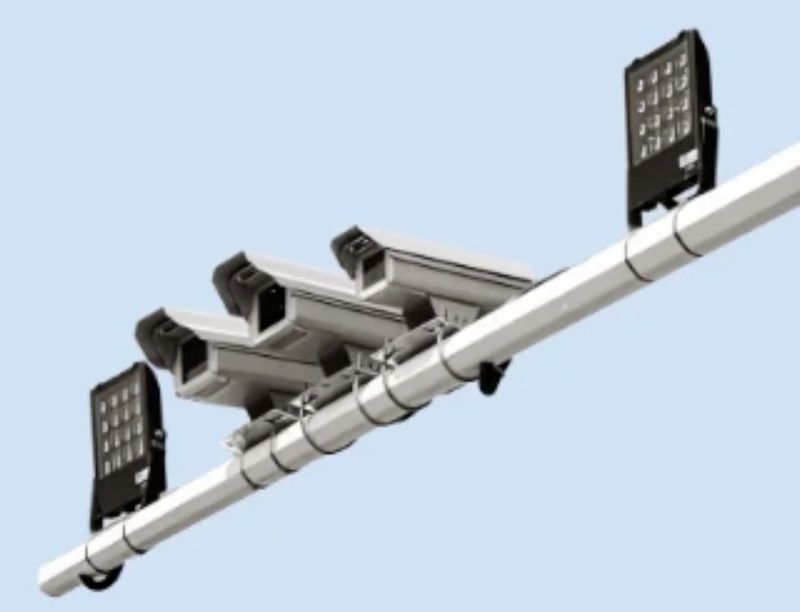
- the principle of capture: the high-resolution camera, in conjunction with the ai algorithm, is capable of identifying the location of the wheel and the line. As long as the real-line area is transformed or cycling, it is almost inevitable。
- a guide to pit avoidance: 100 to 200 metres before entering the intersection to look at the ground arrows and turn the road ahead. Once in the line area, the error will be the wrong one and the next corner will be turned back, which is more than a deduction fine。
Exceeding: inter-zone speed measurement is the mainstream and speed is the safest
Don't believe in "one-yard speeding", but don't be surprised。
- the principle of capture: now the dominant is inter-area speed (average speed) and fixed radar speed. There must be a hint in front of the device 500-1,000 metres。
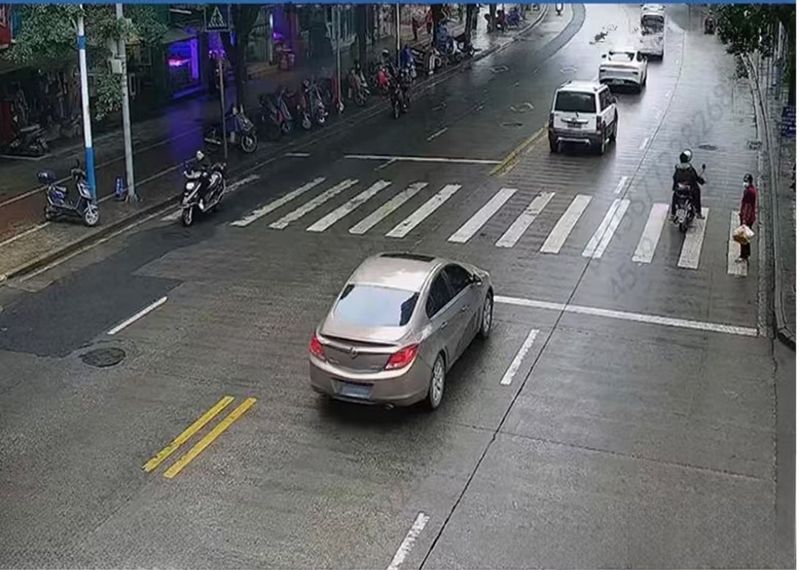
- catalyst guide: quickening at the starting point of the speed measurement between entry points, keeping the speed of the entire journey even. Don't play with the "start-up, finish-off" trick, which is not only dangerous, but may also be single-handedly captured by stationary speeds。
Iv. Supplements: zero tolerance in the controlled sections and no touching of the yellow grid
The most “challenged” is often the violation of parking tickets。
- the principle of catch: schools, hospitals, business circles, etc., are close to “immediate triggers”. The normal segment may have a 30-60-second buffer。
- a guide to pit avoidance: yellow no-lines, bus stations (30 metres back and forth), yellow grid lines, which stop and leave, may be filmed in the car. Temporary persons try to find parking or regular parking spaces。
V. Car behaviour: ai can penetrate the car window. Don't touch the phone
This has been the fastest upgrade in recent years, with high-level contacts in metropolitan areas。
- the principle of capture: the new ai camera clearly identifies whether the main co-pilot is wearing a seat belt, holding a telephone or even smoking。
- a guide to hole avoidance: brushing a mobile phone when a red light is used is also a violation (using a mobile phone when driving). The answer must be bluetooth or vehicle-mounted system, and the navigation should be set up before departure and the mobile phones kept as low as possible on the road。
Vi. Growth playing: looking at the treature is not feel
Many drivers feel they're slowing down and getting shot because they don't understand the rules。
- the principle of capture: the system determines whether the vehicle tracks are in conflict with pedestrians. If the pedestrians have entered your driveway, you have to stop and make way。
- a guide to pit avoidance: the zebra line is paved with oil, and when the movement of pedestrians is unknown, it is safe to park directly。
High-speed/fast roads: tunnels and tunnels are mined areas
- the principle of capture: there is a strict ban on diversionary tracts (usually solid lines) inside tunnels, with intensive speed measurement and illegal filming at the entrances。
- a guide for avoiding pits: choose the lane before entering the tunnel, and keep it in the tunnel. It is extremely dangerous to miss an exit without going backwards or backwards, without saying 12 points. Emergency lanes do not cover emergencies。
What if it's "misshooted"
Don't rush the money. (c) login to view photographs of violations of the law in “transit 12123” and, if it is true that the ambulance, the signal light malfunction or the sight was blocked by a large vehicle, maintain the carlog video, file a complaint on the app or go to the traffic police unit, which can be withdrawn after verification。
Finally, the core of the electronic eye is security, not “income generation”. Instead of studying how to hide, it would be better to develop a habit of “no stops, no wires, no mobile phones,” which is essential to save money and money。
This paper is intended for driving experience and electronic ophthalmology, and the specific enforcement standards and penalties are subject to the latest regulations of the police department of the metropolitan police。