1. Avoiding stimulating foods
- spicy: chili, pepper, mustard, ginger, garlic, etc. Stimulate ulcer, increase pain and inflammation
- anti-acid acid: citrus fruits, vinegar, tomato, etc. Increase stomach acidization
- obsolete fried/high fat: indigestion of fried chicken, fries, fat, etc., prolonged gastric emptiness and stimulation of stomach acidization
- espresso espresso: caffeine and caffeine to promote gastro acidization
2. Regular food consumption with fewer meals
- timing: 5-6 meals per day to avoid starvation and to maintain the rhythm of stomach acidity
- chew slowly: 20-30 times per mouth to reduce the stomach burden
- pre-sleep feeding: small amounts of alkalin food (e. G. Soda biscuits, milk) can be fed 1-2 hours before sleep, medium and night stomach acid
- avoid abdominal: stomach acid directly irritates the ulcer and causes pain
3. Selection of foods that are digestible and protect mucous membranes
- quality proteins: steamed egg paste, tofu, fish meat, chicken breast meat (purified evaporation/cooked), promoting ulcer healing
- alkaline food: buns, noodles, soda cookies, bananas, pumpkins, central and stomach acid
- vitamin-rich: cooked carrots, spinach, broccoli (preventing cold), vitamin a, c, k for rehabilitation
- temperature: warm water, low-fat milk, small rice porridge, protection of stomach mucus
A special reminder
- absolute prohibition of alcohol: direct alcohol damage to mucous membranes, delayed healing
- temperature appropriate: the food temperature is 40-50°c and an ulcer is irritated by heat or cold
- stop smoking: nicotine reduces mucus blood flow, inhibits prostate synthesis and affects ulcer repair
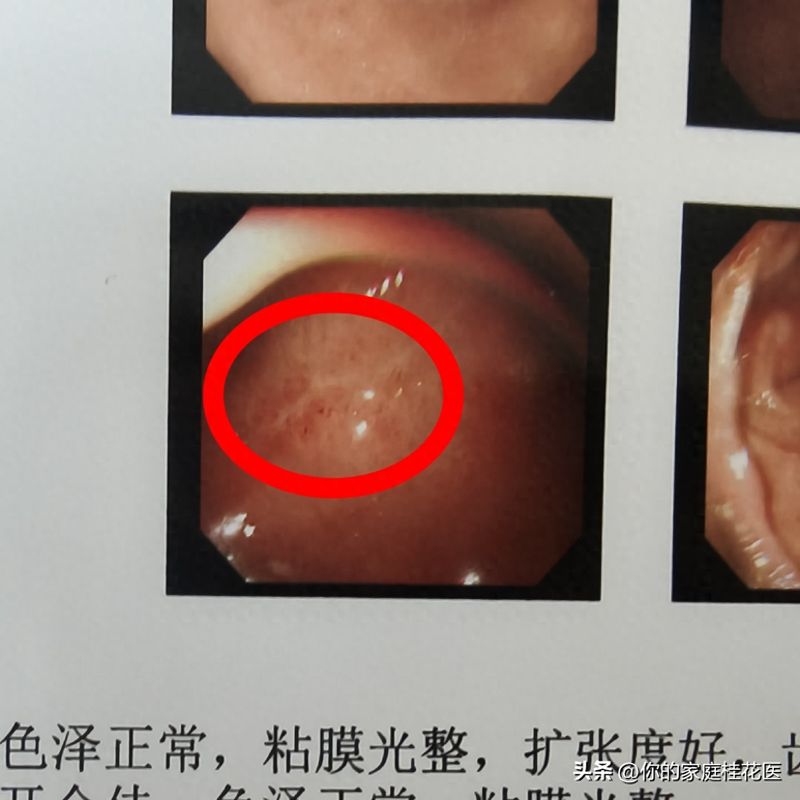
> recommendation: dietary adjustments need to be accompanied by standardized medications (e. G. Proton pump inhibitors) and periodic review of stomach mirrors. In the event of vomiting, black poop and severe abdominal pain, please call for immediate medical attention。