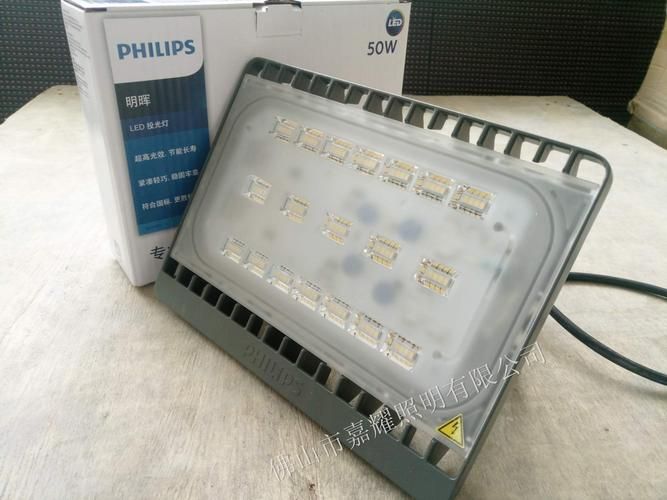
Led lamps have a light bulb of small size and light weight and are encapsulated with epoxy resin that withstands high-intensity mechanical shocks and vibrations, is resistant to break-up and has a long cycle of brightness, so they can have a useful life of up to 50,000-100,000 hours, well over 1,000 hours of conventional tungsten lamps and 10,000 hours of light bulbs. Since led lamps have a useful life of 5-10 years, not only can the replacement cost of lamps be reduced significantly, but also because they have very small currents that can drive light, and in the same light effect, electricity consumption is only one half of a fluorescent lamp, so leds also have the advantage of saving electricity and energy. However, since some of the leds are not yet sufficiently technical, the shortcomings of the lamps initially used include poor light quality (demonstration, consistency, color temperature), low heat dispersion and high prices, with inappropriate heat dispersion leading to an accelerated deterioration in the brightness of the led lamps and the useful life of the circuit zero component. The manufacturing technology has evolved dramatically, with the above-mentioned shortcomings, including the gradual reduction of thermal resistance of leds and the upgrading of light quality. In 2008, in addition to the 100 lm/w light efficiency of leds, the light efficiency of leds is expected to increase from 70 lm/w to 100 lm/w in 2010. Compared to other general light sources, tungsten tungsten light bulbs are about 15 lm/w, luminous luminaries about 45 ~ 60 lm/w, hid lamps about 120 ~ 150 lm/w, and led light efficiency is clearly gaining strength; the following is a light comparison for leds and other common lamps: