Introduction to the tulips
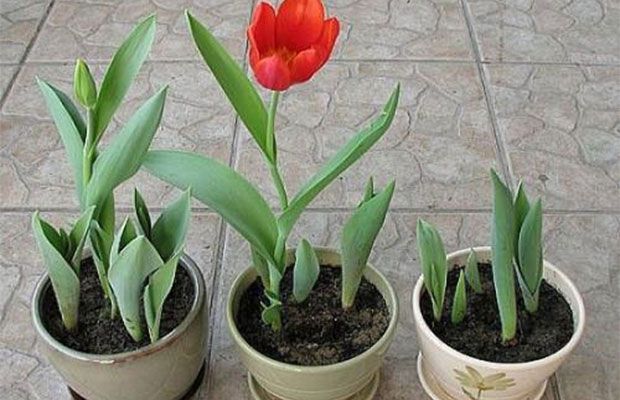
The tulips are the national flowers of turkey, kazakhstan and the netherlands. A single flower, large and radiant, is reded or mixed with white and yellow, sometimes white or yellow, 5-7 cm long, 2-4 cm wide, 6 luminous, hairless, non-facilistic, columnized, chicken crowned, with a four to five-month period。
Ii. Types of tulips
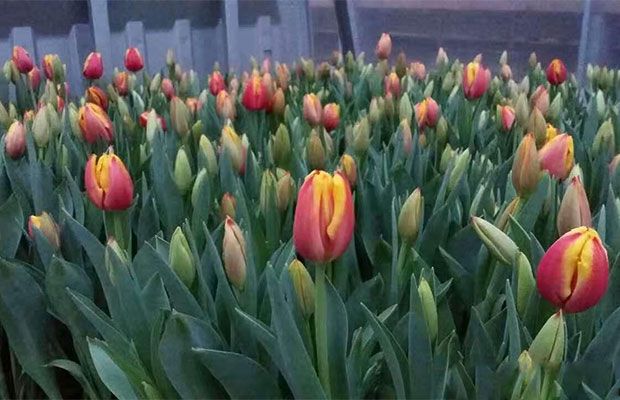
Tulip plant varieties can be divided mainly into early and late flowers. Through long-term hybrid farming by horticulturalists, the world has over 8,000 varieties. About 150 varieties are produced in large quantities, with red, yellow and purple most popular。
Iii. Environmental requirements for tulips
Soils: the soil is both water-preserving and gas-exercising and should have a ph value of not less than 6, using peat, corroded soil and sand as a planting matrix of 1:1:1。
Lights: bright light, bright light, and a plant that receives no less than eight hours of direct sunlight per day will ensure that the flowers are normally open。
3. Temperature: long-term long-term temperature is 5-20°c, optimal temperature is 15-18°c and fertility temperature of the plant should be maintained at 0-25°c。
Iv. The method of breeding tulips
1- splitball reproduction: after a season of growth, the mother ball planted in the same year produced one or two large and three or five small runners. They are grown separately by the size of the balls, and then the big ones can bloom in the year, and the little ones can bloom in one or two years。
2. Sterilization: mostly for new varieties. Seeds were collected before the cyanide matures and the sand was planted in indoor basins until october. Keep moist, and the next spring will be the spring。
V. The house-border production methodology
1 sphere treatment: before the next seed, the balls need to be treated at low temperatures, with 5°c or 9°c being the most suitable。
2. Timing of planting: gardening needs to take place in late october of each year。
Cultivation methods: cultivation is at a distance of about 14-16 cm, manure is applied to the bottom, 4 cm of the ground is most suitable, 15-20 cm is drained and water is poured in time. It is sufficient to apply thin weight two or four times during the gestation and flowering period。
Vi. The method of breeding the tulips of the pelvis
1. Selected basins: select a 10-20cm diameter flower basin, with rubble, bricks, etc., to be added to a fertile, drained soil。
Cultivation methods: plantation of 10-15 cm flower basins with 1-2 balls, 18-20 cm flower basins with 3-5 balls per basin, with the top of the ball being levelled to the surface of the soil。
Water: planted and placed in the cold for about three to five days and watered out for maintenance. When the soil surface is 1 cm, it needs water。
4 conservation: an outdoor ventilated sun in december of each year and in february of the following year can grow at 5°c roots. I'm going to have to water it。
Vii. Water methodology of the true
The tide tends to dry up the soil and increases the amount of water that comes out of the buds, prompting flowers to smoke. The principle of low and high temperatures and higher levels of water water is understood throughout the flower management。
Viii. The methodology of the those
A flowering effect: there are more stored materials in the ball root, which ensures that plants bloom normally in the absence of fertilizers, and that the application of fertilization will have less impact on the time of flowering。
In the flower control of the tulips, it is usually possible to follow up once with phosphorus-rich and potassium-rich thin liquid fertilizers once in the form of two to three leaf blades and once in the form of flowers。
Ix. The causes of yellowing of tulips and cure methods
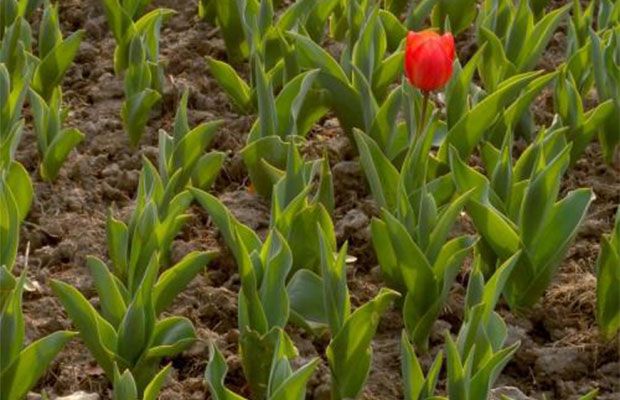
The temperature is too high: the temperature is reasonably controlled, and when it reaches 20°c or more, it can be cooled around the plant。
2. Deficiencies: fertilization is dominated by liquid fertilizers. A weekly application of thin liquid fertilizers allows for an appropriate increase in phosphorus fertilizer during the yellowing of leaves。
3 insects and pests: the dead branch of the leaf. Clean-up of dead branches or direct spraying of pesticides。
4. Separating plants: overplanted and poorly ventilated. If the plant is too dense, it is subject to a separate plant that ensures a certain gap between the plants and a good ventilation. In the case of a plant, move as far as possible to a ventilator for maintenance。
5. Watering: with the drying or flooding of the soil, the strains are pathological, so the water must be watered rationally and wet, and the tulips in the garden must not be irrigated on a large scale and be sprayed as much as possible。
X. True packting
The fungus of tulipic pests can be carried by balls or by the soil, and they can be infected with balls, mostly in hot and wet environments, with the main diseases being tuberosis, softosis, chromosomal disease, run-down disease, blind sprouts, etc., and most pests being aphids. Sufficient soil disinfection prior to planting, as far as possible with detoxification seedlings, detection of the timely extraction and destruction of strains, and one to two microbicides during the growth of the shed are more effective; good ventilation should be maintained to prevent high temperature and humidity; 3% of natural pyrethroids can be sprayed with 3%。
Xi. The reason why tulips don't bloom
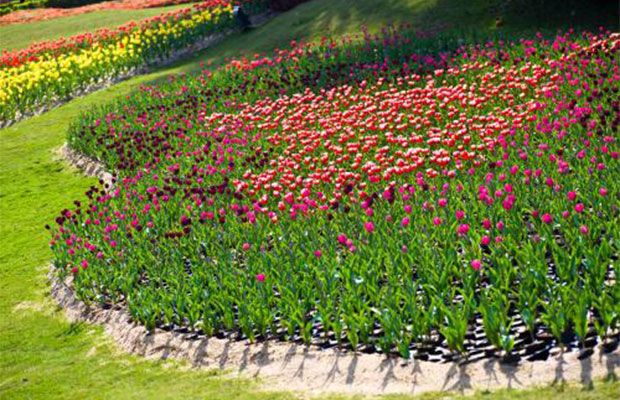
1 the balls are too small or unhealthy。
Without a freeze period, the leaves will not come out。
There's a freeze period, leaves come out, no flowers. So maybe you had fruit and vegetables in the fridge, and the ethylene released killed the flowers in the ball。
4. Your soil or location or watering methods are not correct, causing the ball to rot。
In the first year, there was no good maintenance, resulting in no flowers for the second year。
Xii. Daily conservation methods for tulips
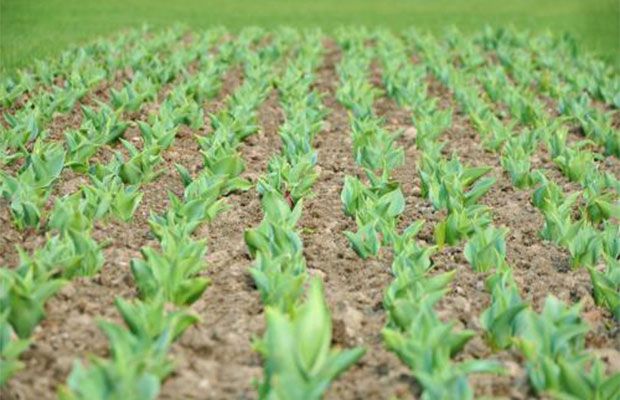
1. A tulip is grown between september and october to meet its reproductive needs。
2. The soil shall be applied to base fattening and appropriate humidity。
3. Ensure that the light is sufficient and placed where the air flows。
The ball is degraded and new varieties are purchased in the flower market。
Xiii. Tulip hydroponic methods
1 ball treatment
The treatment of hydrolytic tulips is mainly the cold treatment of dry balls by controlling temperatures of 9°c by the end of october and then gradually decreasing to around 2°c by the end of december and the beginning of january. Maintaining a relative temperature of 85-95 per cent during cold treatment. The final part of the cold treatment is the root phase of the seed。
2. Cultivation methods
At the time of planting, the seed ball is pressured down so that it is placed on the needle of the hydroponic plate, and the point of the needle is to be inserted in the surrounding part of the stem, in order to protect the centre from damage. When planting, the seed ball with symptoms of infection should be removed and water should be added to the planting plate immediately after planting。
3. Nutrient liquids
After planting and watering, planting plates are placed at a temperature of 5 °c, with small air-flowing root cells that need to be filled with proper water, with running water with an electrical conductivity value of 1. 5 ms/cm, or with rainwater, which should be used during the rooting phase for varieties that are prone to foliage。
4. Cultivation and maintenance
When root grows to 4 cm, the root phase ends. Plantation plates are placed on the more flat ground in greenhouses to screen sick or unsprung seed balls and remove them from the infection. At this stage, the water level is ensured to reach the spill point to ensure the water supply, at which point the temperature is maintained at 16-18°c and the relative temperature at 60-80%. The number of waterings at the end of the planting period could be reduced to half the previous period, and before harvesting, sufficient water should be provided to sustain the flowering period。
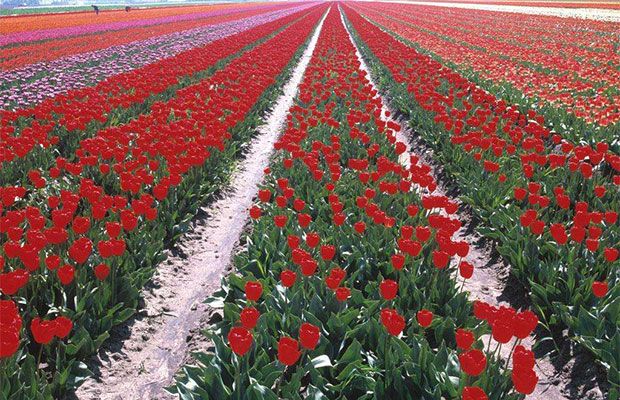
What about the tulips
1. Remove the root of the ball, remove the decomposition, dry it in the sun and put it back in the water. Don't get too cold。
2. Chemical agents are impregnated, their concentrations are low and they are used as thinly as possible on the same day。
3. Leaning and disinfecting, followed by 0. 1 per cent of potassium permanganate spray, with two successive sprayings for an initial period of 4 to 5 days and one after 7 to 10 days。
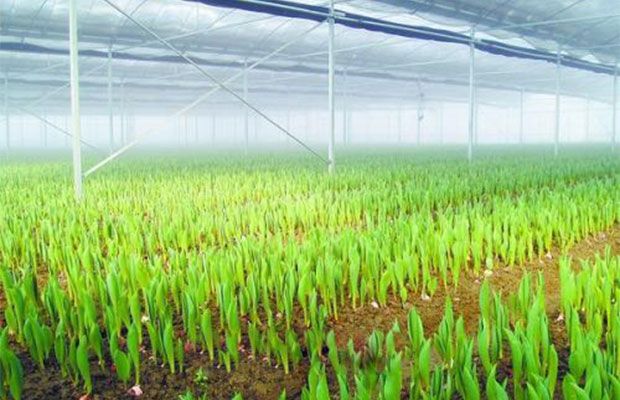
The four seasons of tulip conservation
1 spring: suitable for an east, south and west questioning balcony. Keep the soil moist and fatten once in the current rhesus. If seed is needed, the management of water fertilizer after flowering will facilitate the growth of underground plumes; if seeding is not necessary, the flower may be discarded. At the beginning of june, when a tulip is left to die, it is possible to excavate the underworld's truncheon, which is then stored in a venomy in a bag。
Summer: summer hibernation. The initial temperature of the dry storage should be around 20°c and the fresh tulip ball cannot be stored in a low-temperature refrigerator。
3 autumn: every year from late october to november (at temperatures below 9°c), large tulip balls are selected, impregnated 30 minutes after over 800 times the fungus or enzyme solution, preferably with well drained sandy border soil。
Winter: the tulips are more cold-tolerant and can be exposed to winter in natural conditions of about 5°c below zero, and if the temperature is too low, it should be cold-proof. The family can place it on a balcony with sufficient light - 5°c。
The tulip
1. Red tulips: declaration of love, joy, love
2. Black tulip: mystery, noble
3. Purple tulips: noble love, endless love
4. White tulips: purity, purity
5. Pink tulips: beauty, love, love, happiness
6. Yellow tulips: elegance, preciousness, wealth, friendship
7. Highland tulips: pride, strength, beauty in creation, beauty in creation
Eight, two-colour tulips: beautiful you, happy to meet
9- plumbing tulips: love
Seventeen, the position of the tulip
Tulip flowers are beautiful as wine cups, colours are colourful, and flowers are beautiful, but they do not fit indoors or in classrooms, because they are distributed in the air because they contain poison alkaline, which can spread out into the air and spread out again, and are not easily distributed indoors. For a long period of time, symptoms such as hair, eyebrow loss, etc. Tulips are suitable for outdoors。