Turn off the tap
When washing hands and washing soap, close the tap. Don't wash dishes or wash clothes with the tap on. The leaking tap must be tightened。
Two, one water
Use secondary water as much as possible. For example, the first water for rice or washing can be draught; the wash, the water after washing, can be left to wipe the ground, flush the toilet, etc。
More showers, less tubs. The showers are not only more sanitary than the tubs。
Three, put a coke bottle in the toilet
If your toilet is larger, you can put a large coke bottle filled with water in a water tank with a capacity of 1. 25 litres, which saves 1. 25 litres at a time。
4. Less cleaning
Most detergents are chemical products that contaminate water sources. If the dishes are too greasy, the remaining oil can be greasy down and then washed with hot noodles or hot soap, so that the oil is not released too heavily into the waterways. Heavy-oiled kitchen appliances can also be washed with soda-heated water。
Five, don't keep the tv on hold for long
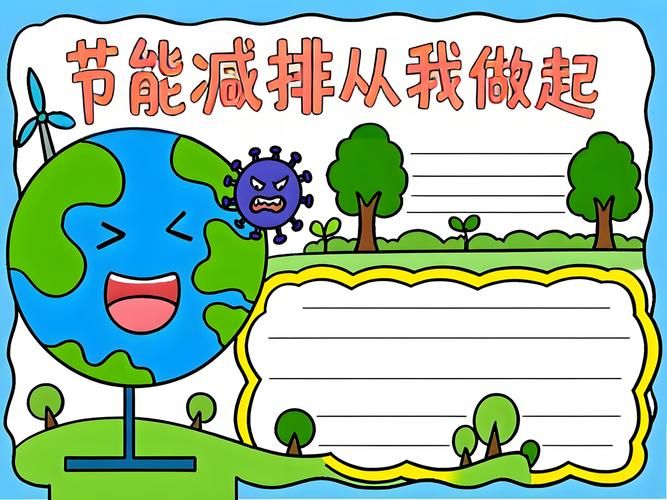
Stand-by means that only remotely shut-downs are actually not completely cut off. Each colored stand-by state consumes approximately 1. 2 watts per hour。
6. Cooking with hot water
Cooking with hot water saves 30 per cent of electricity. The inside pan of the electric cooker shall be cleaned in time for it to be fully compatible and free of miscellaneous items. The immediate removal of plugs from the electric cooker will save electricity and extend its useful life。
7. Fighting for public transport or bicycles
The increased use of public transport such as buses, subways and trams can save gasoline while reducing atmospheric pollution from car exhaust emissions and also ease traffic congestion. People with private cars use unleaded gasoline as much as possible because lead can seriously damage human health and intelligence。
8. Selection for green food
Many of the vegetables and fruits we eat every day have been sprayed with pesticides, fertilizer and additives have been inappropriately used in many food items. Such food can endanger health and intelligence. Therefore, fresh fruit and vegetables without pesticides and fertilizers are selected, with less preservative foods for easy fast food, coloured beverages and sweet snacks for additives. It's also possible to buy food with a “green food” logo。
9. Choosing phosphorous-free laundry powder
When phosphorus-containing washing powder enters the water source, it causes algae to grow mad in the water, lower oxygen content in the water and loss of oxygen in the water. The water bodies thus become dead and stinking water。
10. Rejecting overpacking
Many commodities, especially cosmetics and health products, already cost 30 per cent ~50 per cent of the cost. Overpacking not only increased the economic burden on consumers, but also increased the amount of waste and contaminated the environment。
11: buy your own basket
The plastic shopping bag is not collected for purchases and a bag or basket is used for shopping in the streets。
12. Reduced use of one-time sets
When you go out for dinner, you have chopsticks and spoons. Fewer fast-food boxes, cups, discs, etc., especially one less fast-food chopstick. One-time chopsticks were invented by the japanese. Japan has a high forest cover of 65 per cent, but its one-time chopsticks are imported, with less than 14 per cent of the country's forest cover and a major exporter of one-time chopsticks。
13. Make full use of white paper and maximize the use of recycled paper
You can flip over with one piece of paper to make drafts, notes. Rejection of propaganda materials that are distributed everywhere, making them can be both a waste of paper and a disruption to the health of the city by distributing and posting them everywhere。
Reproduction paper is produced from recycled waste paper. One ton of waste paper = 800 kg of recycled paper = 17 trees。
The use of recycled paper has become fashionable in many countries, and it is an honour to show its own environmental consciousness and civilized upbringing by showing a “reproduction paper” sentence。
14. Set up three sort of garbage baskets at home
Domestic waste can usually be divided into: i, recyclables, including scrap paper, plastics, glass, metal, etc.; ii, non-recoverables, including residuals of the kitchen, such as dust, vegetable leaves, melon pellets; and iii, harmful substances, including batteries, fluorescent lamps. Under these three types, three waste baskets are set up at home, so that the waste can be collected and distributed。
15. Monthly sale of waste plastics, paper, glass, metals
A large number of waste plastics can be converted to recycled plastics, while all scrap lunch boxes, food bags, textile bags, soft packaging boxes, etc. Can be remelted into fuel。
1 ton of waste plastic = 600 kg of gasoline
Each piece of paper can be recycled at least twice. Office paper, old letterpapers, notebooks, books, newspapers, advertising posters, cardboard boxes, paper dishes, etc. Can be reproduced in books, manuscripts, business cards, notes, etc., after the first recycling. After a second recycling, it can also be made of sanitary paper。
Aluminium cans of re-composed aluminium, which consumes 71 per cent less energy than aluminium extracted from bauxite; recovery of energy saved by a bottle gives light bulbs four hours。
16. Refusal to eat wildlife and to use wildlife products
No wildlife food, no wildlife restaurants. No rare animal fur clothing, no wildlife plant products such as ivory, tiger bones, mangrove furniture etc。
Energy-efficient low-carbon, home-building
We value our resources and share the green earth
Let's work together. Let's move to a better tomorrow