The wearing of heartlines is a common medium of medicine, which has thermal detoxification, anti-inflammation, etc., and is widely used in the pharmaceutical and health-care industries. Scientificly sound planting techniques were essential in order to improve the productivity and quality of the land. The following is a summary of the methods and techniques used in the cultivation of the heartline, organized in tabular form, taking into account practical experience and data, for easy reference and application。
I. Overview of the early leading
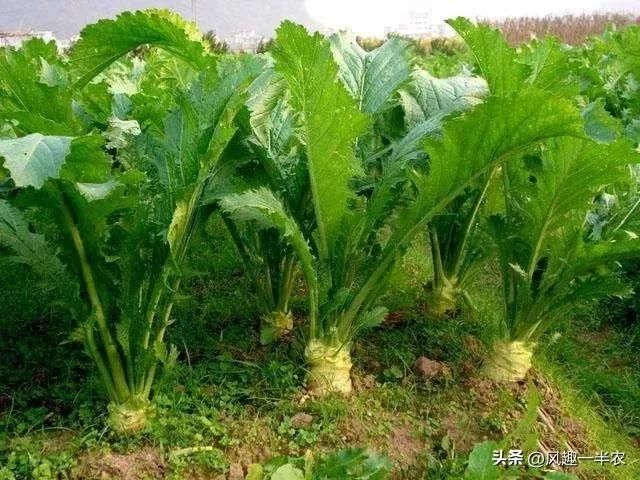
Andrographis paniculata, a corrugated plant originating in india and south-east asia, is now widely grown in the southern provinces of china. The whole herb is available, especially the leaves and the tubers. It is more adaptable, warm and wet, less drought-resistant and less demanding for soil, but it is better with fertile, well-watered sandy soil。
Ii. Summary of key technologies for the cultivation of heartland
Item
Contents
1. Choice of varieties
The selection of high-yielding, disease-resistant and high-quality varieties, such as kawa qing1 and yun shi, etc。
2. Land preparation
Land with sufficient sunlight and well drained water, deep tillage and application of base weight (organic + compound)。
3. Sowing methods
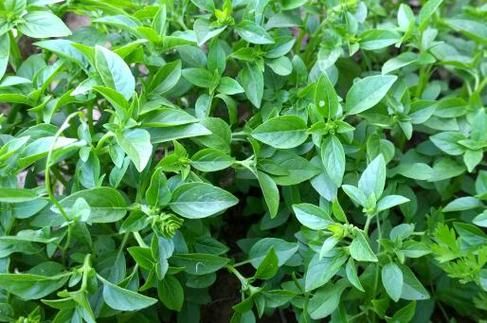
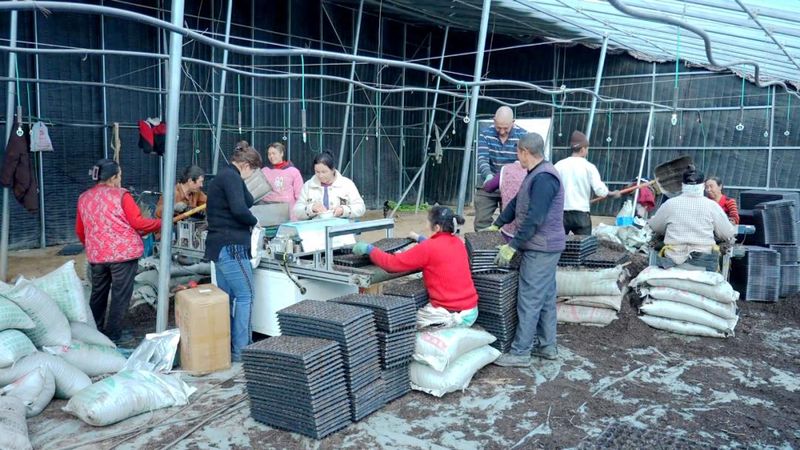
It can be live or nursery-planted. Live broadcasts are suitable for small-scale cultivation and seedlings are suitable for large-scale cultivation。
4. Sowing time
Spring broadcasts usually take place from late march to early april, and fall broadcasts can take place from september to october。
Seed treatment
Pre-plant soak seeds with warm water for 6-8 hours to promote germinate。
6. Density control
Line 40-50 cm and 20-30 cm to ensure ventilation。
7. Water management
The soil is wet for long periods of time and water is not allowed to accumulate. During the rainy season, attention is paid to drainage and flood control。
8. Fertilizer management
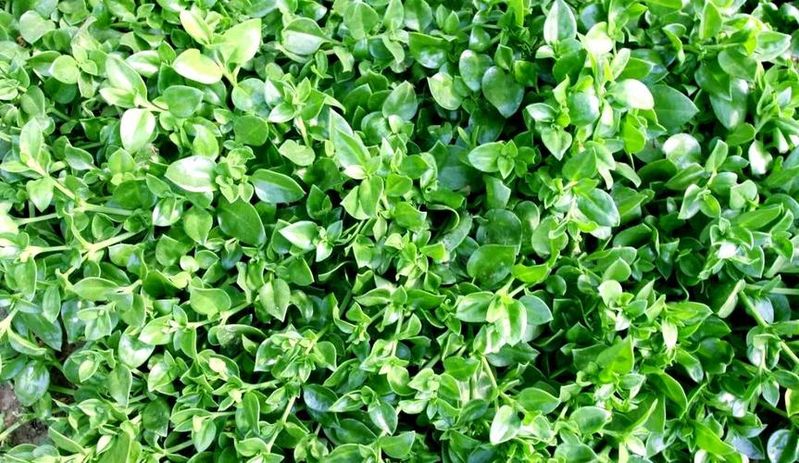
Nitrogen fertilizers are followed up during the nursery period and phosphate fertilisers are increased before flowering to promote the growth of flowers。
9. Pest management
Common diseases are dusty, anthrax, which can be combated by polybacterium, methyltobutzim, etc., and pests, including aphids, red spiders, which can be treated by drugs such as aphids and avil。
10. Cropping in china
Regular pine cultivation, weed removal and reduced nutrient competition。
11. Timing
It is generally grown during periods of strong growth, when leaves are swollen, and can be harvested repeatedly。
12. Processing storage
After harvesting, dry or dry in a timely manner to avoid deterioration and to be sealed in the drying area。
Iii. Attention to the cultivation of heartland
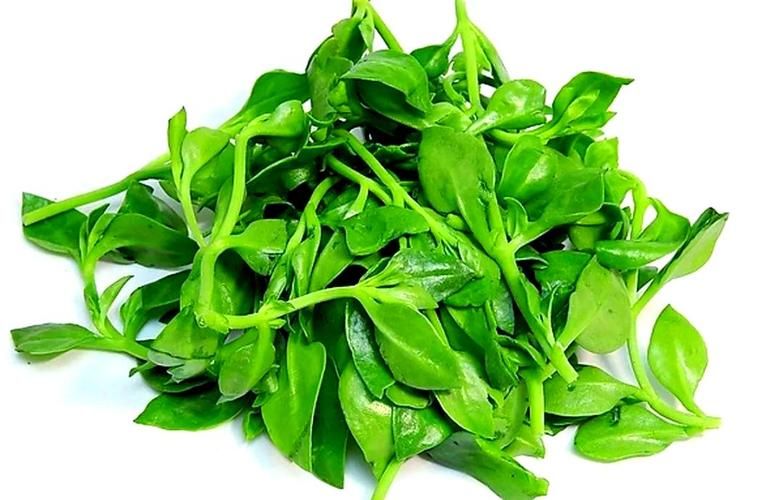
1. Climate adaptation: a suitable growth temperature of 20 °c ~ 30 °c for heartlines, less than 15 °c is slow and more than 35 °c is prone to atrophy。
2. Rotation systems: recommends rotation with other crops to avoid linking barriers。
Field management: periodic inspection of pests and diseases and timely intervention。
4. Reasonable fertilization: avoid excessive use of fertilizers to avoid compromising the quality of the product。
5. Harvest criteria: the use-based timing of the harvest is dominated by the use of the leaf, which requires timely extraction。
Summary
Carticulture is a more technical agricultural activity involving several aspects, including species selection, soil management, water fertilization control and pest control. Through scientific planning and fine-tuning management, the production and quality of bellows can be effectively enhanced to meet market demand. Farmers can adapt cultivation strategies flexibly to local climatic conditions and market conditions to maximize economic benefits。
If further information is needed on specific species characteristics or pest control methods, this could be done in conjunction with guidance from the local agro-technology sector。