# summer creation competition #
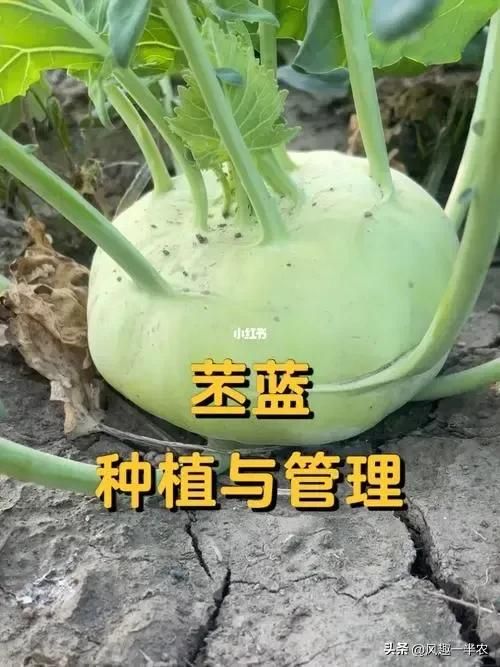
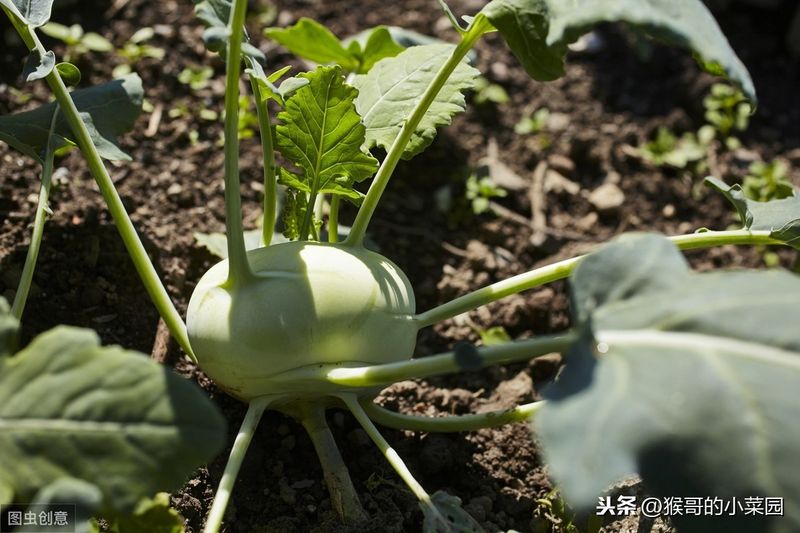
Plumbs (mustard) and sluice are the root vegetables that harvest early in the fall. The timing and measures of the two vegetables are essentially the same and are therefore described together. The pickles are for pickled pickles, which are unique in their taste, and are given to each other as gifts from visiting friends and relatives, which are very popular around the year. It is not only pickled, but also cooked, but also rare in winter. So let's talk about the pistachio-blue growing。
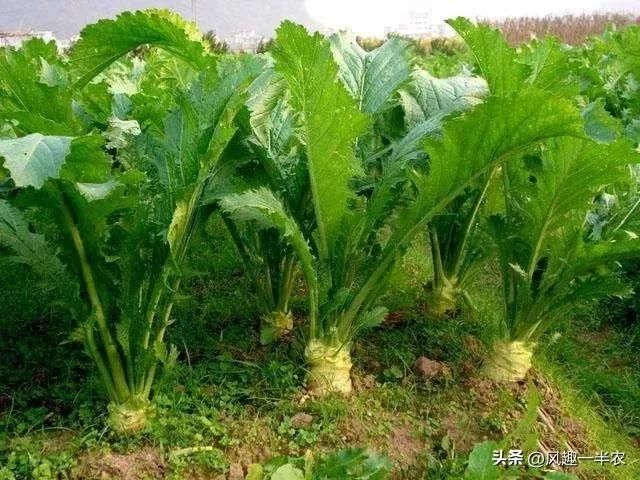
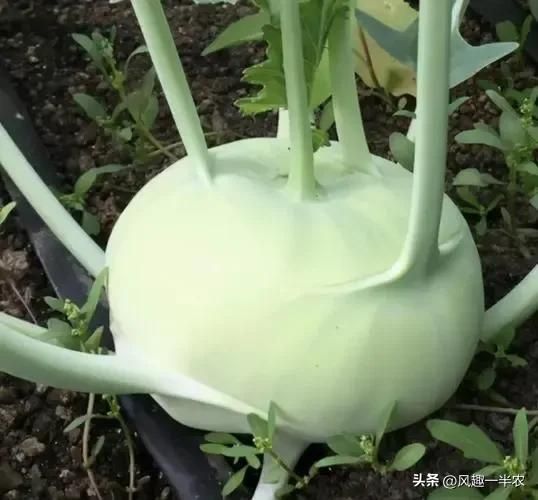
Timing of cultivation
Two vegetable seeds grow at temperatures ranging from 20 to 25 degrees, below 15 degrees and above 30 degrees, with suitable temperatures ranging from 18 to 25 degrees for tubers, and roots growing at temperatures ranging from 18 to 22 degrees during the day and around 10 degrees at night. The root (ball) tubing has a high temperature of over 27 degrees, the meat is fibrogenic and the quality varies. Determination of suitable planting periods based on the above growth requirements for temperature. So, what was the month of the fall when the average temperature was 20-25 degrees? Specifically, it's different everywhere. The north, for example, could be at the end of july and the south could be around mid-august. This means that it is possible to plant a baby during this period, and that it is 25-30 days old. Plumbs and blues are the ones who fear the early planting of seedlings。
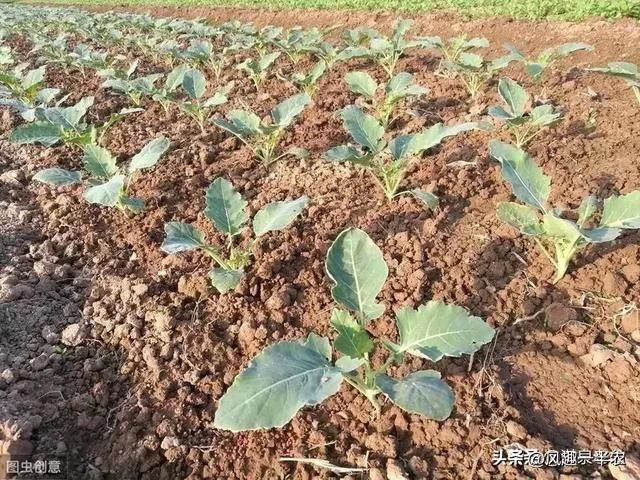
Ii. Cultivation
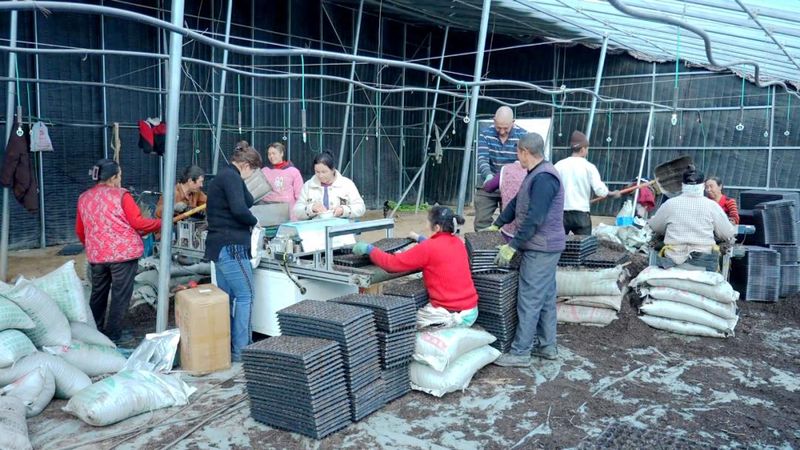
Cultivation of seedlings is a key measure to improve yields and quality. The main thrust is to ensure that the nursery bed is fertile: the nursery bed is dominated by decomposed farmers ' fattening, with a proper application of compound fertilizer. Farmer fertilizer is applied more than vegetables, and compound fertilizer is 50 grams per square metre of seedland, so it is applied equally in depth and the soil is dredged because the two vegetable seeds are small. The ground is then made up of 60 to 80 centimetres of flats, which are prepared for nursery areas at a ratio of 1 to 6。
Slender soil is abundant: due to high daytime temperatures and greater evaporation of water during nursery time, soil moisture is sufficient to ensure a full seedling, with average field water holding of about 75 per cent. If soil moisture is insufficient, water should be poured before seeding。
3 seeding: these two vegetables do not need to be sprouted, usually with dry seeds sowed, first with the soil soaked, both of them spread over the seedbed, with a thin layer of thin ground on them, then covered with straw or sunnets to keep them wet, and when 60 per cent of the topsoil of the seed is removed from the cover so as not to form high-foot seedlings。
Slender bed management: watering, spraying of a leaf before seeding, small-scale watering starting with two leaves, with no drying of the bed. The three leaves were then transferred to normal watering. 2 saplings, with leaves starting with seedlings, and separations. 3-leaf seedlings, 4-5 centimetres. 3 remove seedlings。
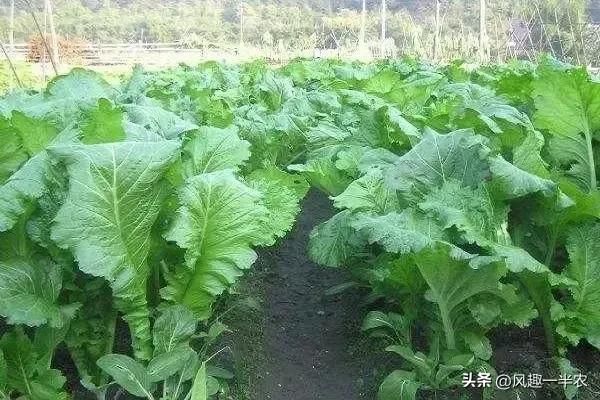
Iii. Steping and playing
1. Whole area fertilization: land plantations are subject to foot fertilisation, usually acres are subject to high-quality earth fertilizers of 3-4 feet, or commercial organic fertilisation of 300 pounds and compound fertilisation of 60-80 pounds. The fertilizer is sprayed and thrown into the ground while the land is cultivated, and the earth's pieces are torn to pieces in time. The range is 50 cm wide and 15 to 20 cm tall, with two lines staggered in a ditch, ranging from 3300 to 3,500 acres per 40 cm。
2. Plantation: the planting shall be done at the planned distance, with the extraction of the caves and the timely filling of the water, until the water has been covered and then the earth shall be sealed, which shall not be pressed, but only lightly, in order to prevent the soil from becoming puss and affecting the seedlings。
3. Chinese tillage: this is an important measure to facilitate the expansion of root systems and the growth of strong plants. A combination of fertilizing water from chinese till more than three times before the plant is closed. For the first time, when new leaf leaves are produced, water is poured out, till the earth's surface is white enough to sow seedlings and promote root growth. The second time, chinese tilled water. For the third time, the gust was followed by fat, and for the fourth time when the root (ball) troughs grew to the pointer。
4. Fertilizer regulation: the pre-watering period is dominated by control of water and contributes to rooting. When the root (ball) tubing expands, the water can be increased appropriately, but not overwatered to maintain soil moisture. Fertilizers are usually applied to “battered” fertilizers, which can catch 30-40 pounds per acre. In order to protect the blades from early decay, the application of potassium phosphate to the tummy promotes the growth of the blades. The root (ball) tubing of these two vegetables expands during the cooler weather period, keeping in mind that the field is not too wet to breed disease or lower the quality of the vegetables。