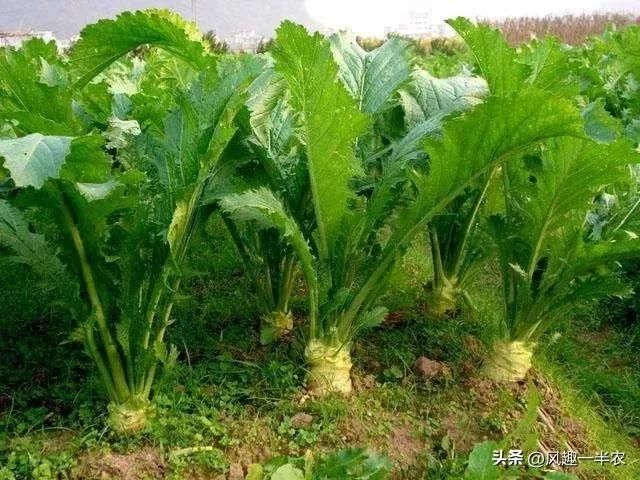
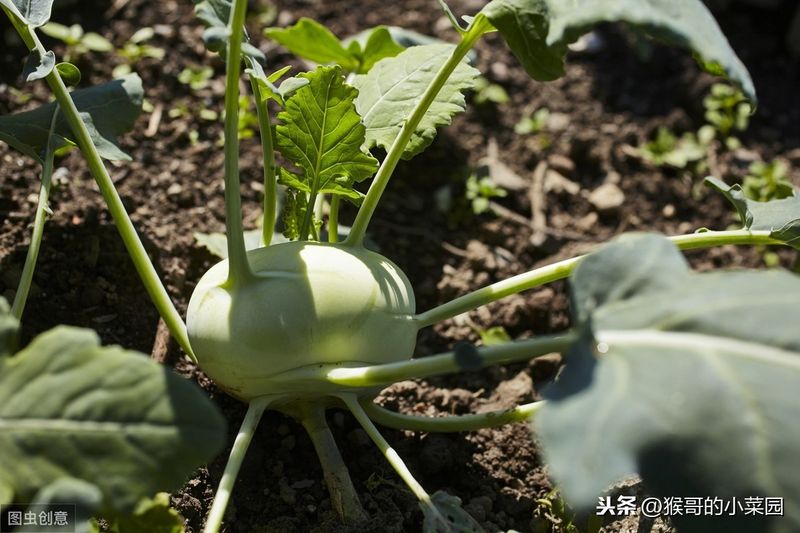
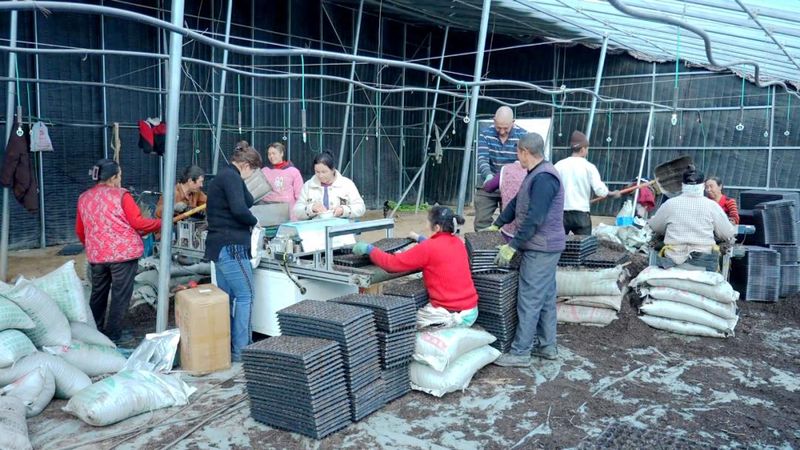
Land is now being planted and many farmers are indissociated from the membrane, which has become a habit. Although covering the membranes can bring warm condensation and quick growth to the seedlings, it is slowly becoming visible in the long run. The ground is full of broken plastic fragments, which are particularly difficult to clean, which cannot be excreted out of the ground and are slowly strewn, and the soil is soaking out of the water that the roots of the crops are not deep, and the later periods are naturally affected。
It also depends on membranes for years, and many have forgotten the original ecological practices left behind. There is nothing left of the membrane. In the spring, there is fear of cold and cold seedlings, and in the summer, there is fear of drying up water, and there are more weeds in the ground. In fact, the old rural farmers, who have been running for many years, are able to solve these problems in a way that is cost-effective, that they can use them locally, that they can grow good crops by losing their membranes, and that they can slowly produce more soil, which is cost-effective and practical。
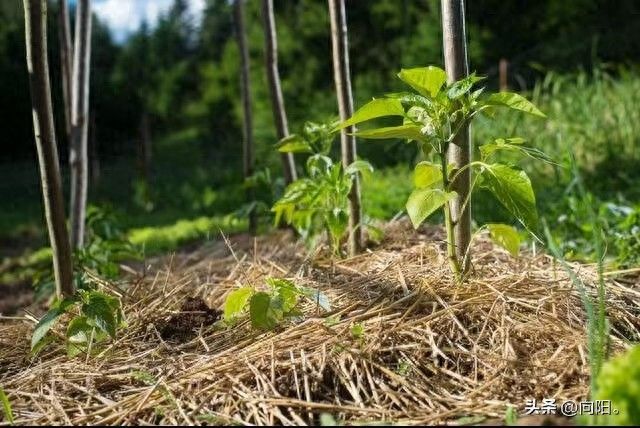
Today, let's leave the fancy theory behind and talk to people about the practical techniques of covering the straw, whether it's a field crop or a variety of vegetables in a vegetable garden, it'll be useful, it'll be simple, it'll be easy for ordinary farmers to learn。
I. The benefits of stifling cover the ground are high
Many old farmers abandoned the membranes early enough to cover their fields with straws because they saw tangible benefits, each of which was tailored to the needs of our farmers。
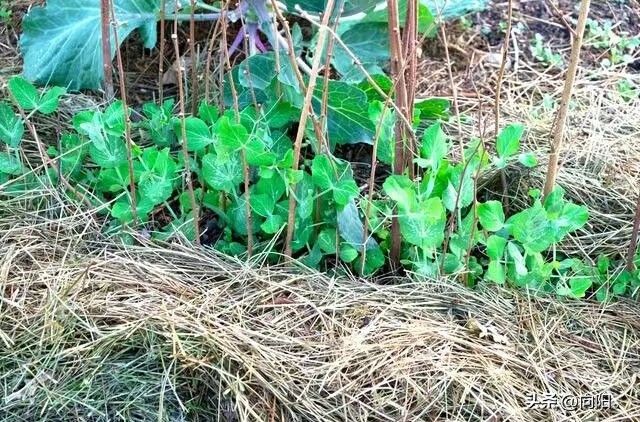
Early in the spring, warmer and colder than usual, fresh-earthed seedlings are the most vulnerable to cold air damage, with rigid and weak seedlings. Laying dry straws on the ground is like covering the fields with soft cotton, locking the temperature in the soil during the day, blocking the cold outside at night and protecting the small seedlings。
By the summer and summer season, the hot sun tans easily dry the floors, burns the shallow roots of the crops, and the straws shield the strong light, lower the temperature of the surface and keep the roots in a comfortable growing environment and secure from the hot weather。
The rural croplands are the most vulnerable to drought and rain, especially in the spring and summer seasons, and are often watered with insufficient rainfall, which is both physical and time-consuming. The surface is covered with straws that can prevent sunlight from evaporating the soil, and water can last longer。
In normal weather, much of the water is reduced, even in short periods of rain, the earth's soil is still humid and soft, and water is not used to run around, saving a lot of agricultural energy。
Field weeds have been a major problem in planting land, growing fast, competing with crops for nutrients, and labour-intensive force-grazing of grass, which can easily hurt young seedlings with medicines。
When the slurry is spread evenly, most of the surface is covered, weed seeds do not see enough light, and it is difficult to germinate and reduce weed from the source. The number of weeds in the field has become significantly smaller throughout the crop-growing period, with farmers not having to go down repeatedly to mower, and field management being easier。
The plastic membrane only destroys the soil environment, while crop straws are natural materials that are slowly decomposed and decomposed through the wind and rain, and can supplement the soil with natural organic matter, slowly decompress the soil and improve the soil structure。
The long-term persistence in this method of planting land will make the soil softer and more fertile, without the need to rely on fertilizer for growth, and the more the field grows, the better the quality of the crops。
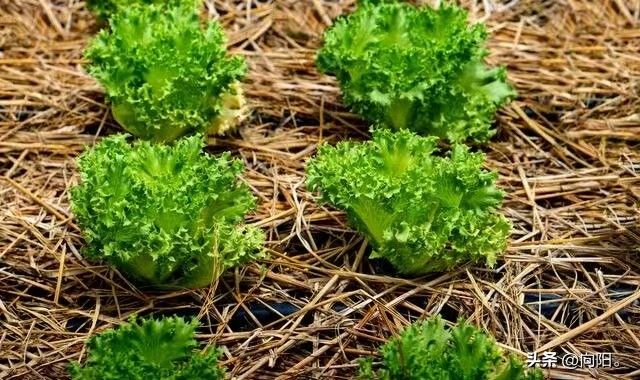
In addition to this, the temperature of the surface has stabilized, the small field environment is more suitable for crop growth, and many common field diseases are less likely to occur, and daily management is less likely。
Ii. Choosing the straw material, planting the land to do more than half the work
In order to be covered with good straw, it is first necessary to learn to select the right straw, to choose the right one, to save the material, and then to choose the wrong one, which is more problematic。
The most commonly used and appropriate places are maize straws, wheat straws, rice straws, soybean straws, which are readily available in rural areas, collect easily, have a moderate degree of softness, have a balanced temperature-preserve humid effect, have a low rate of decomposition and are used in most fields。
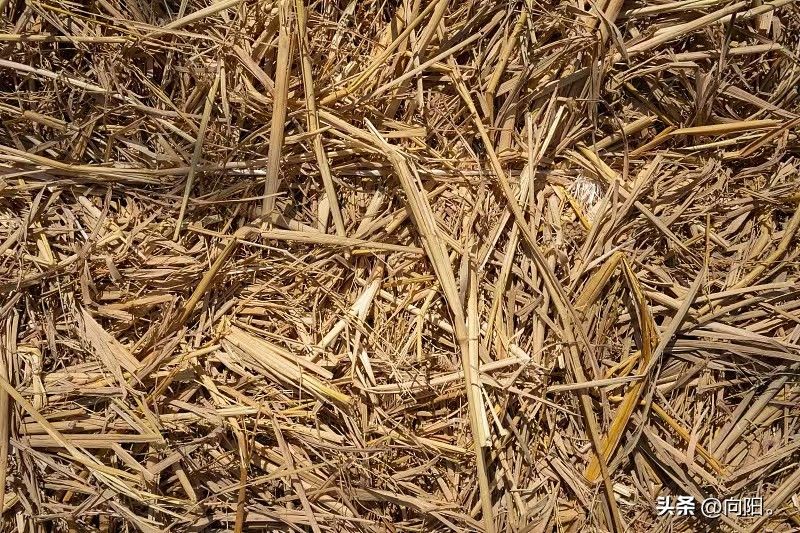
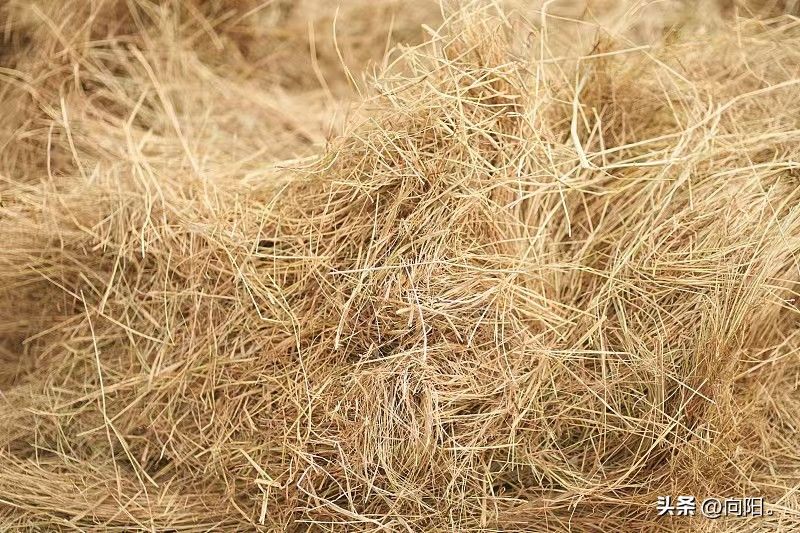
In addition to these dry crop straws, tanned peanuts, dried vines and dried grass branches in the fields, they can also be collected as covering material, completely in-situ, at no cost。
The first category consists of diseased and insect-borne straws, which have previously experienced severe diseases and widespread infestation, which contain a large number of bacteria and eggs, and which have been laid into fields that are prone to new crops being planted, causing outbreaks of disease and pests。
The second category consists of dry green straws, fresh straws with high water content, which are sorely fermented directly in the ground, generate excess heat burning of the crop's seedlings, and are prone to fungus, which triggers scabs, which must be dried dry and used。
The third category is the straw that remains with a large quantity of pesticide agents, which, with the presence of the residue, can affect the normal growth of crops and damage the soil environment and be strongly discouraged from using them。
Iii. Standard overlapping operations, long steps and elements
A number of farmers have tried to get covered poorly, mostly in the wrong way, with the right steps in hand, and the new guy can do it easily。
The first step is to sort the fields and create an early affection。
In accordance with the normal practice of planting land, the land is normally ploughed deep, the earth is broken and the rock, grass and residual membranes are cleaned up. If the soil is dried, water is poured in advance, the layer is drained to the moisture, so that the moisture is slowly permeated, then seeding or transplantation takes place。
The second step is to plant normal crops and then spread the straw。
As usual, the planting of seedlings, seedlings and seedlings is carried out in accordance with local time-saving farming practices, with no change in the spacing or depth of plantings, the same as in the daily planting grounds. When planting is completed and the seedlings are well established, the seedlings are then covered with straw after they are stable and fully adapted to the field environment, so that they are not covered immediately after planting, so as not to obscure the light。
The third step, the thickness of the control, is the most suitable for evenly spread。
Tilting is a top priority, too thin to act as a warm grass, too thick and too easy to breathe. Open field and general vegetable gardens are grown with thickness in three to four centimetres。
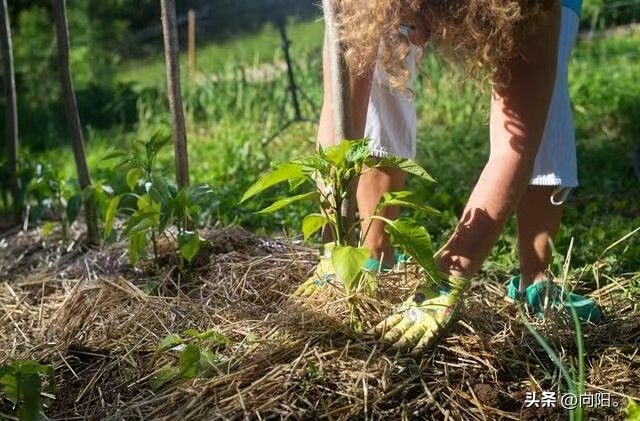
Early spring temperatures are low and can be slightly thickened to enhance cold-proof effects; summer weather is hot and thinner to ensure smooth ventilation in the fields. It is laid in as smooth a manner as possible, leaving a small gap in the root position of the crop, keeping it close to the seedlings and avoiding a long period of strangulation of the rods, where the fields can be laid。
Step four, flexible management based on season。
In the spring, which is dominated by heat-protecting seedlings, the straw is covered more severely to protect against cold and cold currents; when it enters rainy summers, it is easy to accumulate water in the fields, where it is appropriate to remove some of the straws, increase the ventilation, and when the rains are followed by the drains in a timely manner, so as to avoid smothering the fields. In the middle and later stages of crop growth, it is no longer necessary to flip the straw so that it can rot naturally。
Iv. Avoiding common planting faults and reducing the number of shifting paths
This method, which was first used by many farmers, can easily be trampled into several fault areas, affecting the effects of cultivation in vain, issues that must be noted in advance。
First error zone, the whole long straw is laid directly。
In order to save time, many of the collected straws are not being processed, they are being laid directly in the ground, covered by a wide range of gaps, and the effects of weeding are less favourable to later management. It would be better to break the dry straw into small pieces and make it more flattening and more effective。
Second error zone, relying on straw instead of fertilizer。
Sorpture releases nutrients at a slower rate, which does not meet the demand for fast-growing nutrients in the pre-cropping period, and it is important that they are not fertilized without the straw. The daily use of bottom and fat is still justified according to the demand for crop growth, and straws are used only to protect the soil and are not a substitute for fertilizer for nutrition。
The third fault area, low-lying blocks are fully covered with straw。
In low-lying, poorly drained fields, water can accumulate in the rain, and when all is covered with straw, it is difficult to excrete, and the fields are too wet to cause disease. Such fields can be laid only in small quantities between rows, and priority is given to the provision of drainage corridors to ensure smooth drainage。
The fourth area of error is uncleaned by piles of straw。
When a crop is harvested, the decomposition of the ground can be used as base fertilizer directly into the earth's layer, and new straws can be re-painted next season, avoiding the accumulation of long months of layering to prevent the erosion of the soil。
V. All types of fields are common to all households
The range of practical approaches is particularly wide, with the vast majority of agricultural crops available in rural areas。
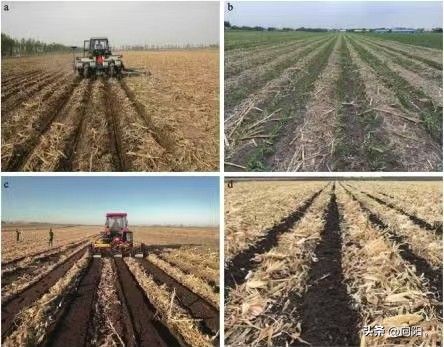
Crops such as maize, peanuts and soybeans are grown, and seedlings are produced, which are followed by the laying of broken straws in the rows without a membranes, which are more resistant to drought and full of large and balanced amounts of late seed grains。
A variety of vegetables, such as peppers, eggplants, cucumbers, bean horns, tomatoes, etc., are grown in the home garden, and when the seedlings are alive, weeds are laid in time, the daily watering and weeding workload is significantly reduced, the vegetables are strong and the shears are longer。
The same can be used under the home orchard tree, laying straws on the roots of fruit trees, keeping the roots warm in the winter and summer, slowly decomposing the trees and helping them to grow。
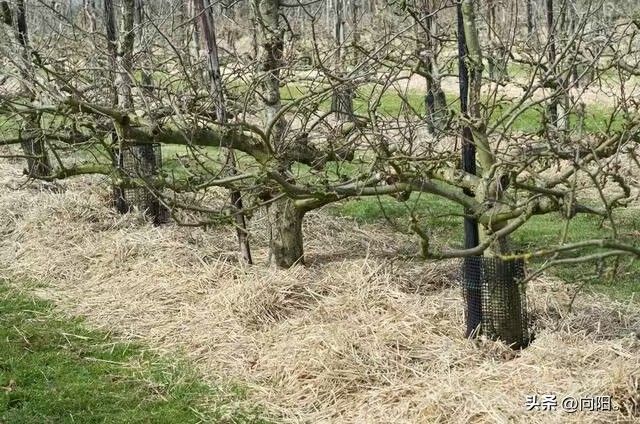
Both large-scale growers and ordinary farmers who grow their own ration vegetables can easily use them。
Vi. The institutions of the old man
There are no shortcuts to farm land, and all the good agricultural practices that have been passed on by the old generation have been drawn up in the field for years。
In the early years, when there were no widespread membranes, families were relying on straws to support their land, when the soil was fertile and crops had stabilized, and the old method was now re-emerging, saving the cost of purchasing the membranes, and slowly improving their own land, which was a low-cost and affordable form of planting。
You need not come up and replace the whole field, and you are not sure that you can start with a small piece of land to be planted on a pilot basis, to figure out the thickness and timing of the land to be suitable for your family's land, and then try to have the best effect, and then spread it slowly and in good shape。
In order to adapt to weather changes, the field is managed in a way that is consistent with the circumstances of the field. The old experience is used, the field is carefully managed, and even without the membranes, the crops can be grown to stabilize the harvest。
Summary
In general, straw cover is a low-cost, operational and highly functional technique for the ecological field, which combines heat, moisture, weeding, soil cultivation and the problems of abandoning membrane cultivation, which can be used locally。
The rational application of this method in day-to-day cultivation reduces the burden of labour in the field while preserving the fertility of arable land and contributing to the steady growth and growth of the crops. A farmer who feels that this agricultural product is useful, may wish to offer a collection to keep, so that he can go down to work and look at it at any time, and also transmit it to his village neighbours, who share their experience with each other, so that he can grow his own land。
Carnation: this paper is a compilation of practical experience of field farming in rural areas and is used only as a reference study for farming management in a large number of farming households. There are differences in climatic conditions, soil and soil quality, and in the planting environment, so that management can be adapted flexibly to the local agricultural situation, so as not to impose a uniform operating model。