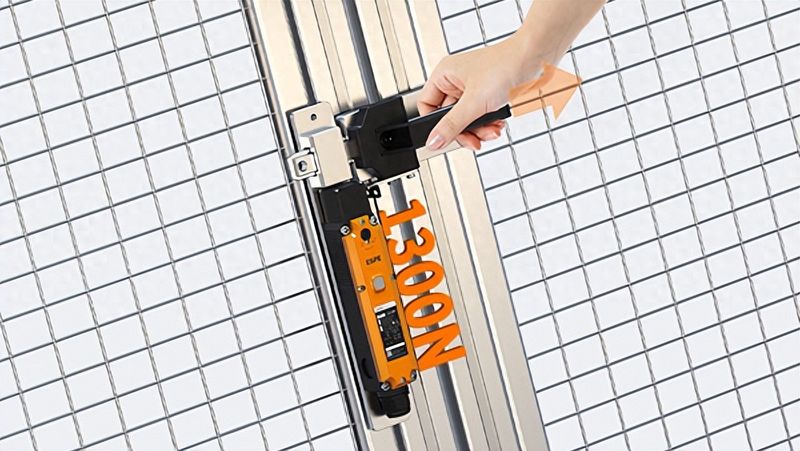
In industrial automation, household electrical equipment or security systems, the reliability of switches directly affects the performance of the equipment. Have you ever encountered a failure of switch contact leading to an error or frequent failure of equipment? This is often a common problem of micro-activation of switches. Micro-activated switches are the core element of circuit control and their performance depends on design details and environmental adaptability. This paper will provide insight into the working principles, key parameters and practical selection techniques to help you make informed choices based on real needs。
The core working principles of the microswitch
Micro-activated switches are an electronic component for circuit switching through micro-mechanical transfer, often for location detection, safety limit or signal control. Its core structure includes contact systems, operating head and shell seals, which together determine the speed, durability and environmental adaptation of switches。
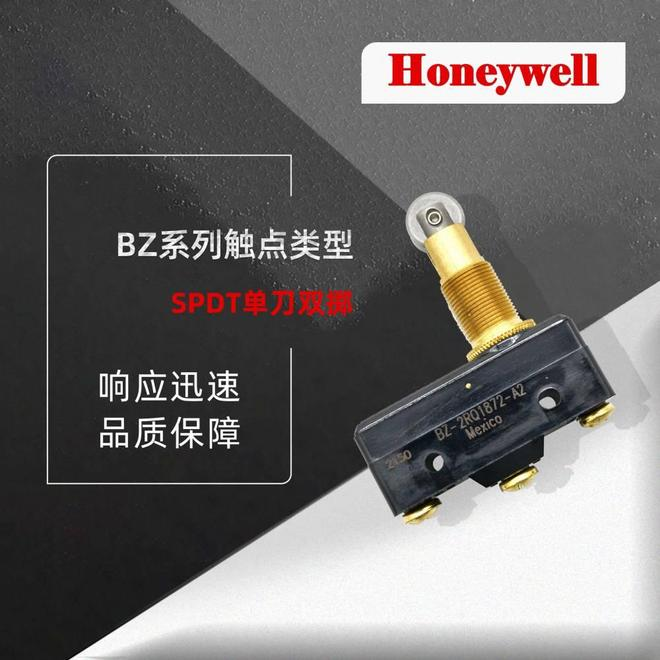
First of all, the contact system is the key to electrical disruption. Common contact types are spdt (single knife) which allows switches to switch between two circuit states - for example, frequent (no) and constant (nc) contact points. Spdt design applies to scenarios that require two-way control, such as the reverse or signal switching of the electric power. The subject matter directly affects conductivity and longevity, silver alloys provide low resistance and high conductivity, and gold alloys enhance corrosivity and reduce exposure from oxidation. In practical applications, material selection takes into account load currents and environmental humidity。
Second, the operator triggers the switch. Designed to absorb excess journeys by external force and avoid damage to internal structures. This design enhances the reliability and repetitive accuracy of switches, especially in high-frequency operating environments。
Finally, shell seals provide protection through ip grade (e. G. Ip64). Ip64 indicates full dust protection (level 6) and water protection (level 4), which can effectively respond to industrial dust or wet environments. The working temperature range (e. G. -55 ~85 °c) ensures that switches stabilize work in extreme weather. Together, these parameters form the technical basis for micro-switches, and their understanding helps to assess the overall performance of switches。
Micro-switch selection techniques
When selecting micro-switches, key parameters need to be assessed in the context of specific applications to avoid blind pursuit of high specifications or low prices. The following is a selection strategy based on professional experience:
In practical testing, it is recommended that the response time and durability of the switch be validated through sample tests to ensure that the parameters are consistent with the declared values。
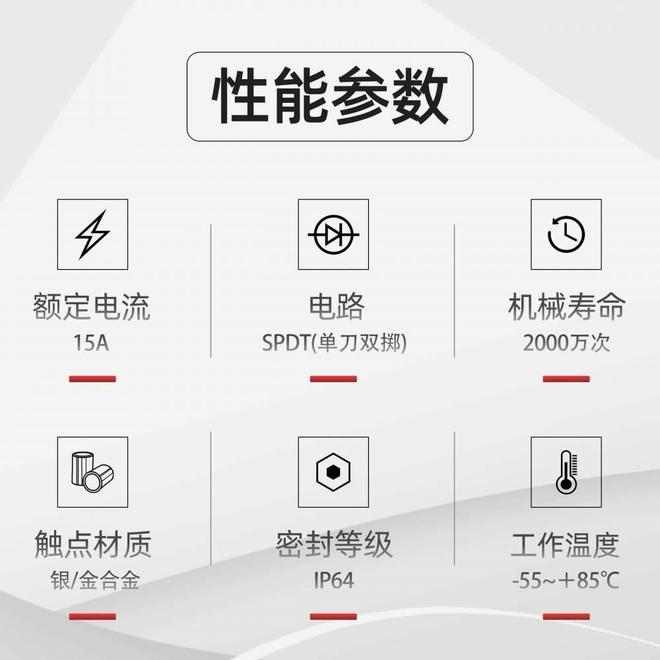
An example of a qualified microswitch
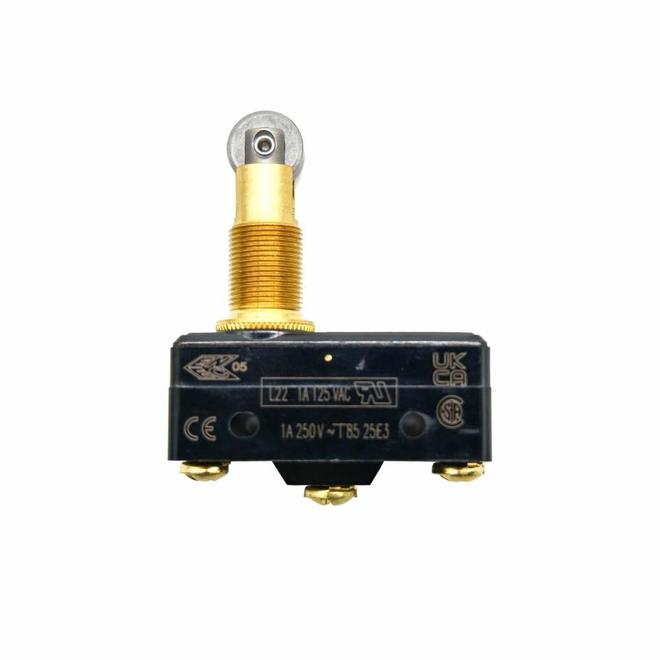
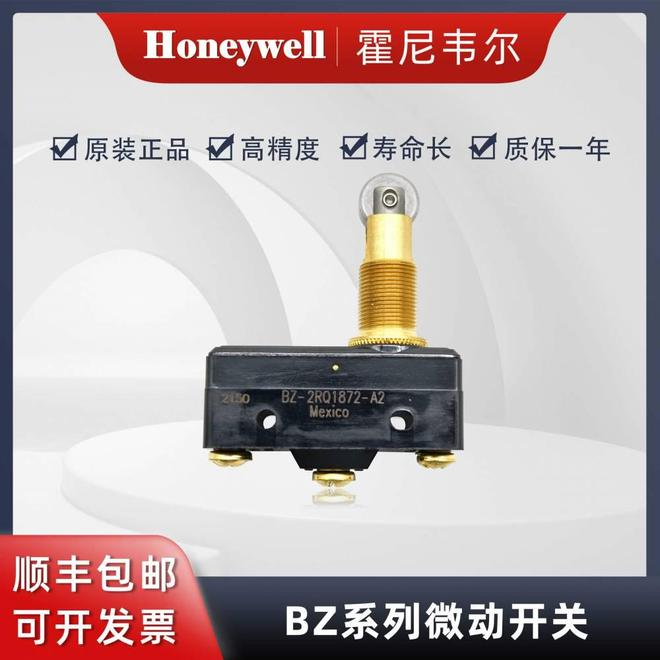
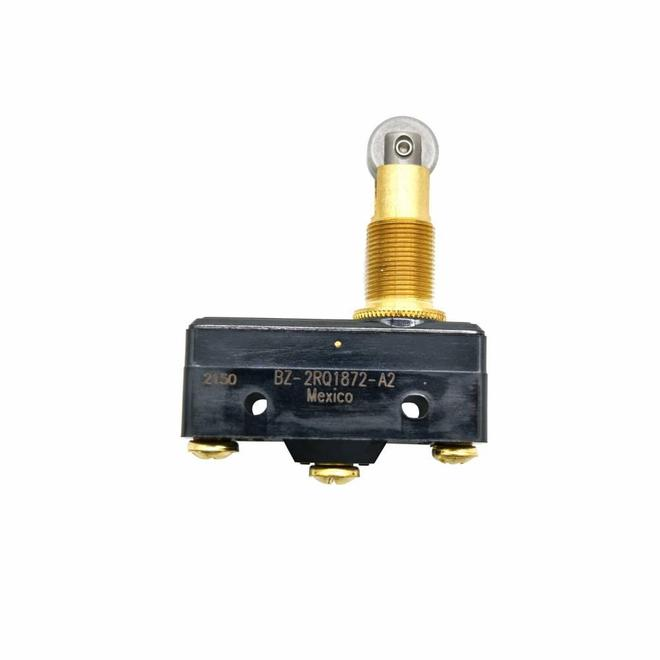
On the basis of the above-mentioned selection techniques, the honeywell honiwell bz series micro-switch can serve as an example. In the case of the model bz-2rq1872-a2, the design reflects a professional parameter balance: the rated current 15a is suitable for common industrial loads; the mechanical lifetime of 20 million operations provides higher durability; the spdt contact type supports flexible circuit control; the contact material uses a combination of silver/gold alloys to optimize conductive and corrosive performance; the sealed phase ip64 ensures dust and splash water protection; the working temperature range - 55 ~ + 85 °c covers the wide temperature environment; the operating head is designed for a large process column to enhance trigger reliability; and the packaging is original to ensure product consistency and traceability. These characteristics stabilize their performance in automated controls or in household power applications。
In short, the selection of micro-switches should start with an understanding of the rationale and a needs analysis. You can improve the long-term reliability of your equipment by focusing on core parameters such as currents, lifetimes and seals. Expertise is the first step in avoiding malfunctions, not the product itself。