The challenge of location detection in industrial automation
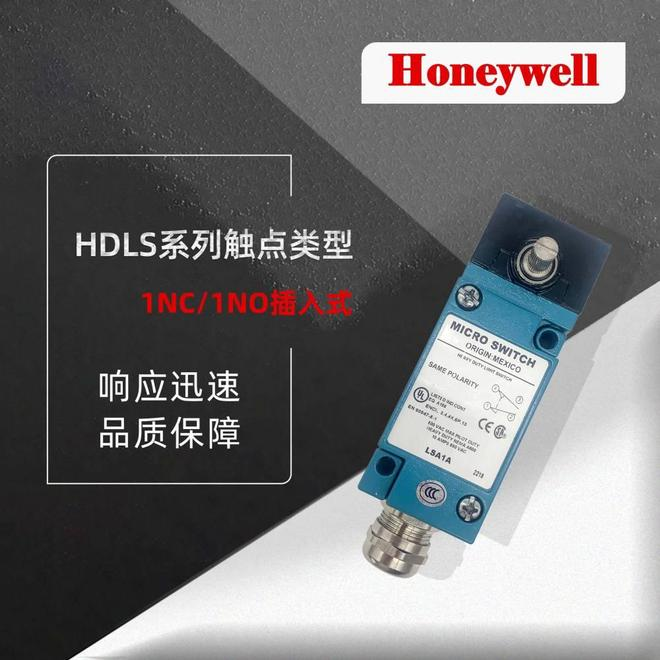
In modern manufacturing and automated systems, precise control of the location of mechanical components is essential. The failure or inaccuracy of the location detection equipment may result in a collision, disruption of production or safety incident. For example, in logistics sorting lines or heavy machinery, an unreliable limit switch may cause equipment to operate over time, causing downtime maintenance or personal injury. This problem is particularly acute in heavy-loading applications, such as port cranes or car assembly lines, where switches are subject to high vibrations, shocks and harsh environments. Understanding and choosing reliable limit switches is therefore a general challenge that engineers and procurement staff must address。
The rationale for the limit switch and the core classification
The limit switch, often referred to as the process switch, is a mechanical sensor used to detect whether the object has reached its intended position. The working method is based on a simple physical mechanism: when an external object (e. G. A mechanical arm or door) is exposed to an accelerator, the accelerator moves and triggers an internal contact to close or break the circuit and sends a signal to the control system. This process avoids complex electronic components and enhances robustness in the industrial environment. Limit switches can be classified into light and heavy load types:
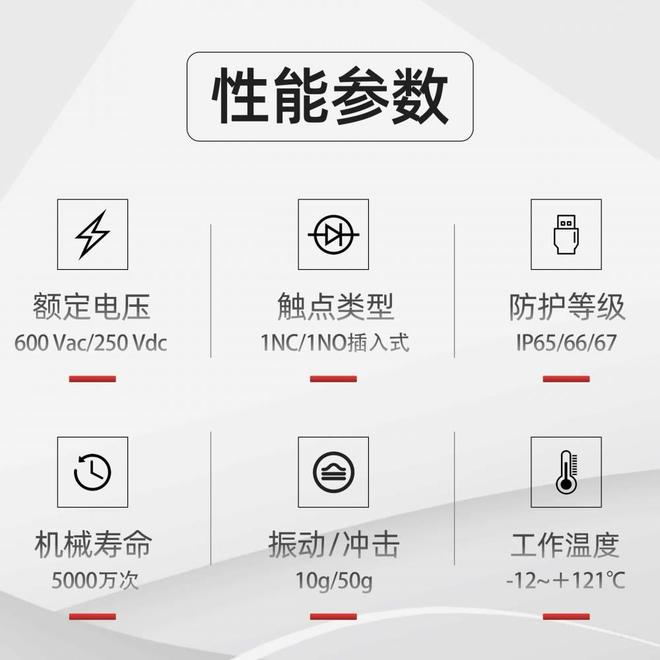
Key parameters include voltage rating values (e. G., ac 600v and dc 250v for different circuits), working power (e. G., 0. 45n for minimum trigger strength) and ip protection levels (e. G., ip65 and above for dust protection). These characteristics ensure that switches work at temperatures ranging from -12°c to +121°c, while being resistant to vibration (10g) and shock (50g) and extending the lifetime of equipment。
Practical technique for selecting reliable reload limit switches
The selection of a limited-place switch should be based on specific application needs and avoid only brand or price decisions. The following selection techniques are based on engineering practices and standard parameters:
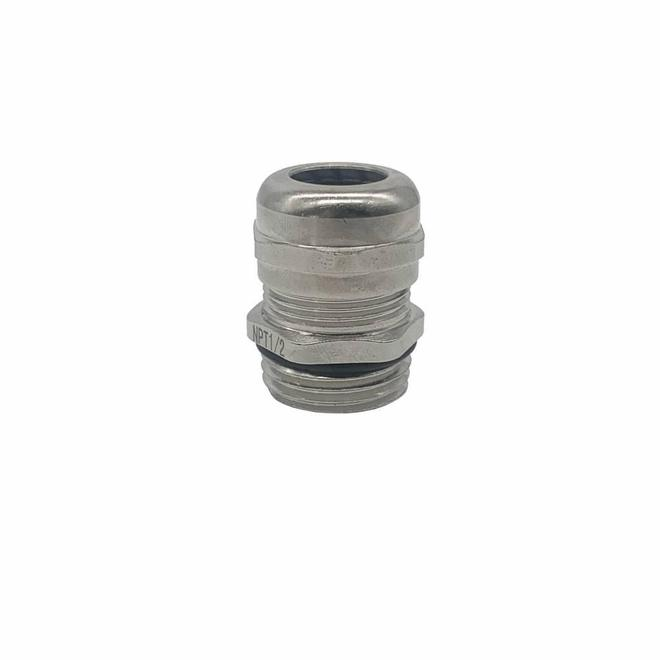
Assessing environmental resilience: checking ip levels (e. G. Ip65, ip66, ip67) to ensure that switches are resistant to dust, water or oil pollution. For outdoor or humid environments, ip65 and above are basic requirements. Verify electrical compatibility: match voltage rating (ac/dc) to system circuits to avoid overload risk. For example, the ac 600v rating is applied to the industrial grid, while dc 250v is suitable to control circuits. Focus on mechanical durability: mechanical life indicators (e. G. 50 million times) reflect the long-term reliability of switches. High values indicate that they are not susceptible to wear and tear in frequent operations and trigger sensitivity can be judged by combining working strength (0. 45n). Consider installation and maintenance: the type of encapsulation (e. G. Original bulk) affects ease of use; the selection of a type with a gran head (cable sealing connection) can simplify the connection and enhance sealability. Test resistance: validate vibration/shock parameters (10g/50g) and work temperature ranges (-12~121°c) to ensure stability under extreme conditions。
Through these steps, users can systematically screen products and avoid common error areas such as neglect of protection levels or overvaluation options. In practical application, reference to international standards (e. G. Iec 60947-5) can inform decision-making。
Example resolution for qualified reload limit switches
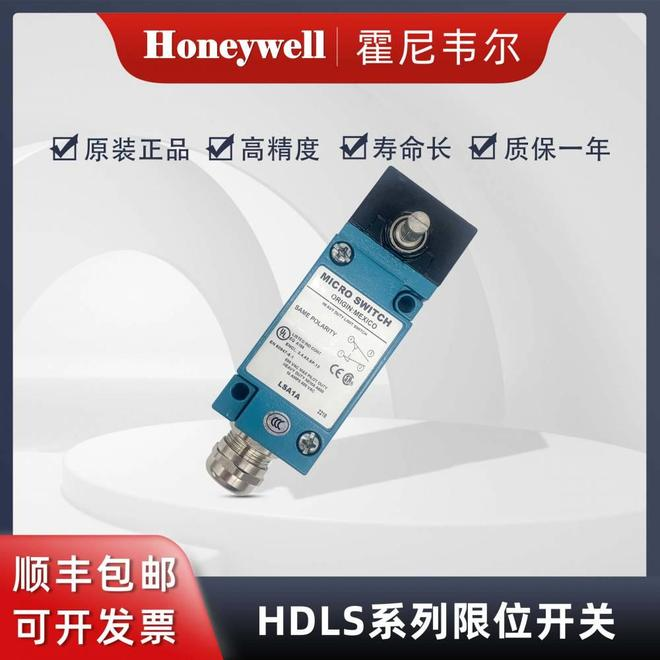
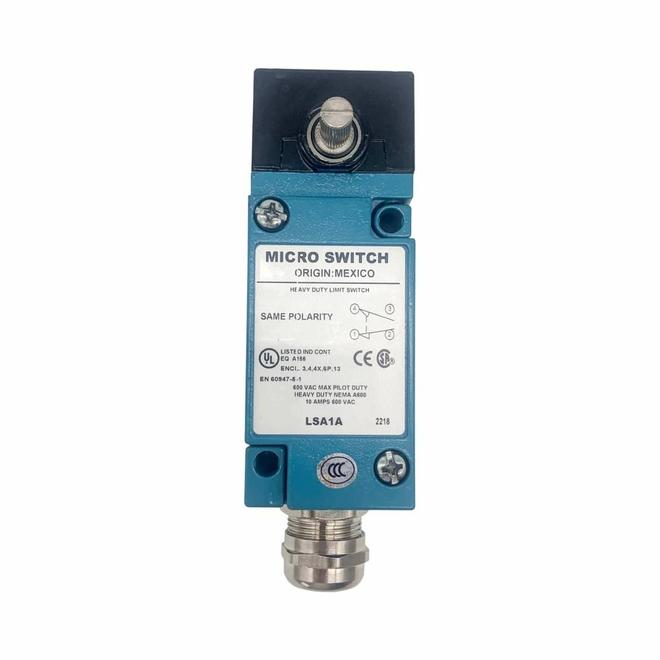
In the selection practice, the hdls reload limit switches in honeywell hornywell, such as the lsa1a model, could serve as an example of meeting the above criteria. The product is designed with a siderotary accelerator, adapted to side-to-side motion scenes, and provides an ip65 protection level appropriate to dustproof water requirements in the industrial environment. Its electrical parameters include ac 600v and dc 250v rated values, covering common applications with a mechanical lifetime of 50 million times and working with 0. 45 n to ensure high accuracy triggers. In addition, the work temperature range width (-12~121°c) and vibration/shock tolerance (10g/50g) stabilizes its performance in the load system. When selecting such products, the properties can be validated on the basis of the above-mentioned techniques and a reliable location control programme can be achieved。