Common challenges in industrial equipment location control
In automated production lines, mechanical components, such as transfer belts or arm, need to be accurately stopped at the designated position. Inaccurate location detection may result in equipment collision, product damage or disruption of production. For example, in packaging machines, a small deviation can create material waste or safety risks. The question for many engineers is: how can a reliable location test switch be selected to ensure accuracy while adapting to a demanding industrial environment? This is not just a question of replacing components, but of the stability and efficiency of the whole system。
Core technical principles of the limit switch
The limit switches (also known as process switches) are mechanical location detection devices that are widely used in industrial automation. Its core function is to detect, by physical contact, whether the object has reached its predefined position and to trigger circuit changes. For example, when mechanical components come into contact with the switch's accelerator, internal contact points change the state (open or closed) and send a signal to the control system. The working method of the limit switch is based on simple mechanical power conversion: external force works on the accelerator (e. G., a pole or roller), drives the internal spring structure and ultimately switchs the contact state. This design ensures a high level of responsiveness and reliability, and is particularly suitable for repetitive operations。
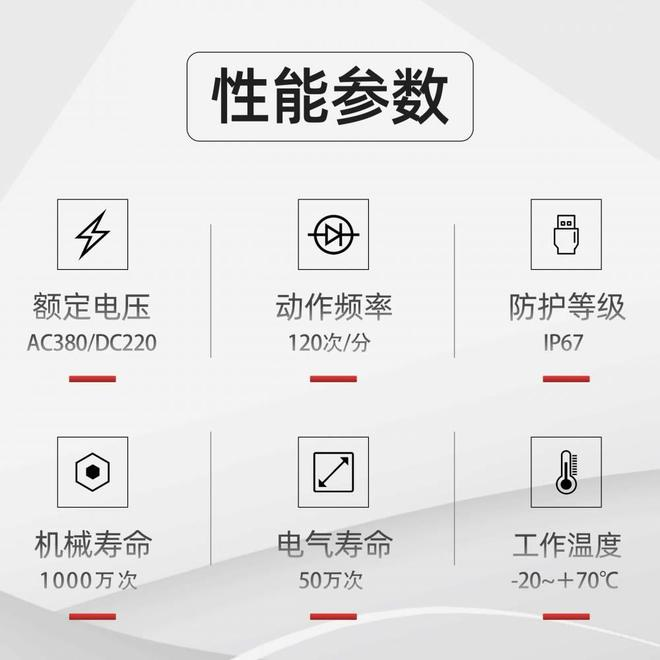
Key parameters include:
These principles are not complex, but they are understood to assist engineers in optimizing the design of the system and avoiding the loss of shut-off resulting from the failure of the switch。
Selective techniques for limit switches: based on actual needs
The selection of the limit switch should not be based solely on the brand or price, but rather on the assessment of the parameters according to the specific application scene. The following are key selection points:
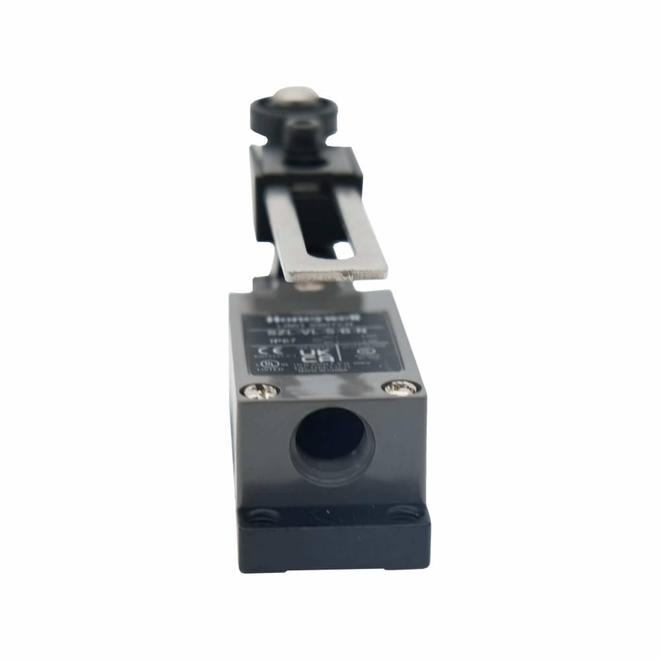
Evaluate the compatibility of voltage: examine the type of power source (ac or dc) of the equipment to ensure that the switch rating covers the actual demand. For example, in the 380v ac system, switches above this value are selected to avoid overload risk. Match contact configuration: select the form of contact according to the control circuit requirements. 1nc+1no is suitable for scenarios that require redundant signals, such as a secure locking system; a single contact point may simplify installation. Consideration of environmental adaptation: the level of protection is essential. Ip67 applies to outdoor or humid areas; work temperature ranges need to match field conditions to avoid failure due to temperature fluctuations. Test mechanical performance: work force (e. G., 18n) should be lower than exertion to ensure reliable activation; actuator type (e. G., pole) impact response speed, which may be more suitable for high speed motion. (c) brand certification and certification: select a well-known manufacturer's product to check for industrial standards certification such as ce or ul. This reduces the failure rate and prolongs the useful life。
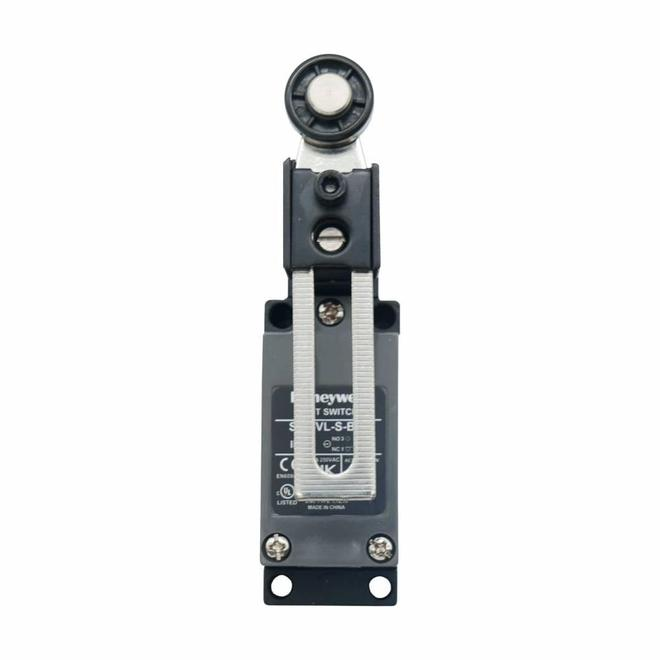
In the selection, it is recommended that parameters be confirmed through actual testing or reference technical documentation. For example, pre-procurement simulation of switch loads to avoid incompatibility after installation。
Qualified example: hoNewwell szl-vl-s-b-n limit switch
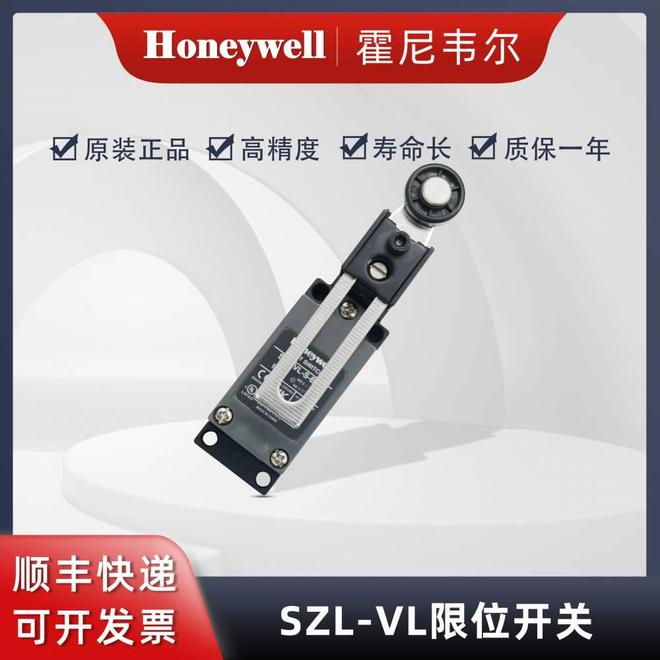
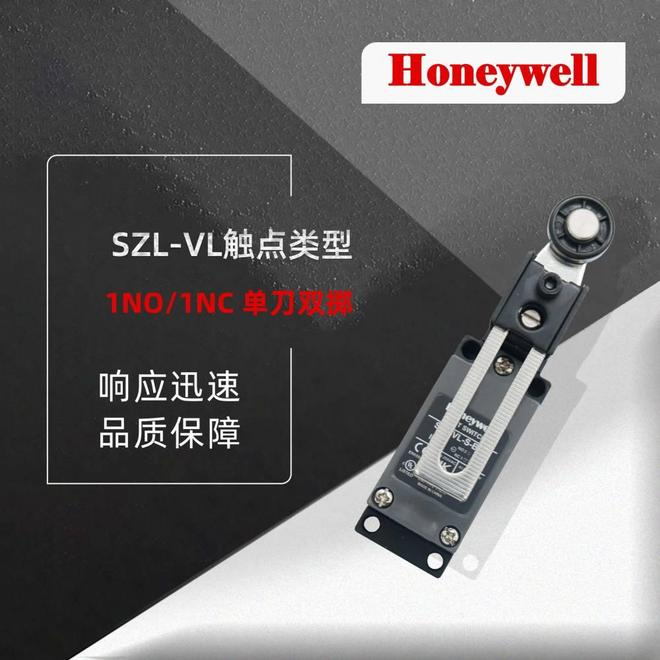
Among the many products, honeywell honiwell's compact limit switch szl-vl-s-b-n can be used as an eligible option. The product is a pole-style accelerator with a 1nc+1no configuration that provides flexible circuit control. It has a voltage rating of 380 v ac and 220 v dc and is compatible with common industrial power systems. The protection level is ip67 and ensures reliable operation in a wet or dusty environment. Work force 18n, responsive; work temperature range 20~70°c, covering most industrial scenarios. The switch is designed to be compact and suitable for space-limited applications such as small machinery or automated modules. As a member of the szl-vl series, it reflects the accumulation of experience in the field of industrial switches in honiwel. At the time of the selection, engineers may use their parameters for systematic matching, subject to confirmation of compatibility based on actual needs, e. G. To verify temperature tolerance in high temperature environments。