


In late march, the spring season had passed, and cultivation conditions had gradually matured in both the north and the south as temperatures returned and the sun rose。
Some family members with vegetable gardens, or farmers who do not want to grow food crops and want to grow vegetables, are ready to grow the seven vegetables below。
However, given the differences in climate between the north and the south, the variety of vegetables to grow needs to be adapted to local conditions, and it is believed that once this section has been read, it will be possible to understand what vegetables can be grown locally。
1. The southern area of spinach can sow before or after the spring break (late march to early april) and the northern region proposes planting in mid-april。
The sandy soil, which is soothed and protected by water, is soaked with water for 12 hours before planting, and is then sprung at 15-20°c and then seeded after exposed white。
The option is to sow, spread evenly, then cover, and then strip, usually 10-15 cm in rows, open shallows (1-2 cm deep)。
During the planting of spinach, it is mainly responsible for combating the hazards of diseases such as froste, viral disease, aphids and larvae. After planting, 40 to 50 days (based on varieties), the leaves are harvested when the number of leaves reaches 10 or more。
2. Wheat and barley can also be sowed after the spring break (late march to early april in the south) and, in the north, only in mid-april or late。
Like spinach, it is recommended to select sandy soil that is estranged and water-preserving, and if organic fertilizer can be found, about 3,000-4,000 kg per acre of decomposition organic fat + 20kg compound fat。
Before seeding, seeds are impregnated with hot water of 25-30°c for 4-6 hours and recovered and placed in a 15-20°c environment. It can be broadcasted or broadcasted on a strip chosen, at a distance of about 20 cm, with a shallow ditch (1-2 cm deep) and seeded to cover the ground。
After 30 to 40 days of seeding, the wheat can be harvested 25 to 30 cm higher (early harvests affect yields and late harvests lead to increased fibres)。
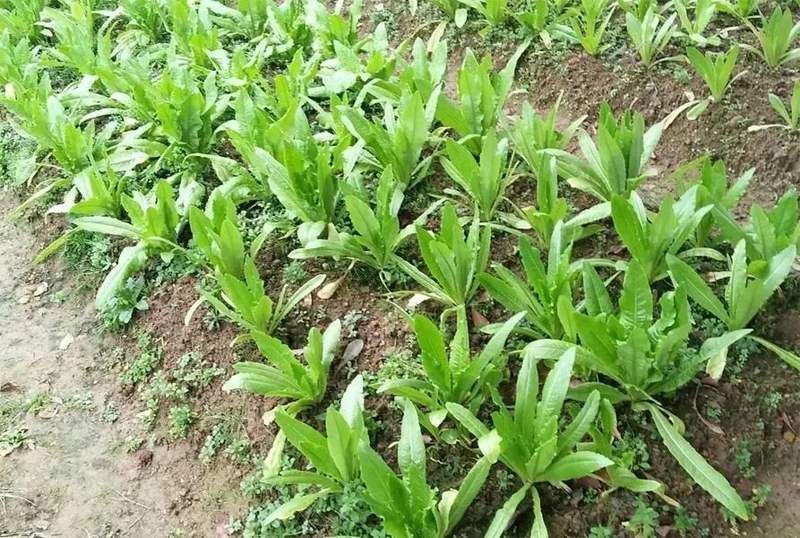
3. Vacant cabbage is a more adaptable vegetable that can grow both in drylands and in water fields。
There are varieties of cabbage such as large leaves and small leaves. Large, fast-growing and high-yielding cabbage leaves; small leaves are small and tasted less, and can be selected according to local habits and planting environments。
The cultivation of emptied cabbage, whether in drylands or in water fields, ensures good aerobic and drainage of the soil, although it is appropriate for fertile, lax and fertile soils。
If so dispersed, the immersed seed can be spread evenly over the surface, then covered by a layer of 1 - 1. 5 cm thick ground, with light pressure。
Vacant vegetables grow rapidly, require large quantities of water, and are usually watered every two to three days in drylands; and emptied cabbage is grown in water fields at depths of 2 to 3 cm。
Vacuum can start harvesting at 20-30 cm height, usually 30 - 40 days from seeding to the first harvest。
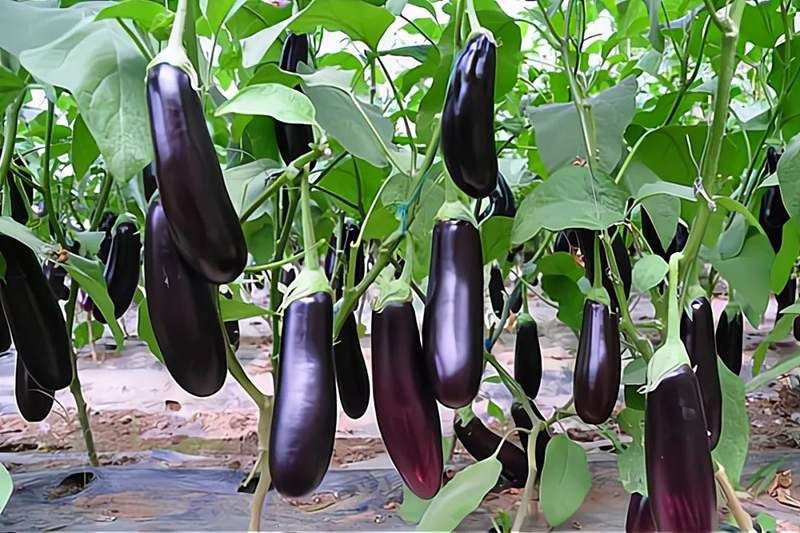
4. Cheese and eggplants are a warmer crop, with a gradual rise in temperature after spring season and suitable for the start of eggplant cultivation。
In the north, the cold-resistant and fruit-rich varieties are selected; in the south, the high-temperature-resistant and disease-resistant varieties are selected。
In the case of eggplants, it is recommended to select plots that are pre-planted and unplanted, with soil requiring fertility, laxity and good drainage。
When the eggplant seed grows to 5 - 6 leafs, 15 - 20 cm tall, it can be planted. The temperature is stabilized at more than 15°c after the spring break and after the local evening frost。
After planting, water must be watered in a timely manner and during the outcome period, in accordance with weather and soil conditions, normally every 5-7 days, morning or evening, to avoid watering at high noon temperatures。
The common diseases of eggplants are amphibious disease, yellow atrophy, lignoma, etc., and pests such as aphids, red spiders and 28 starfish. Cheese is usually collected 20-30 days after flowering。
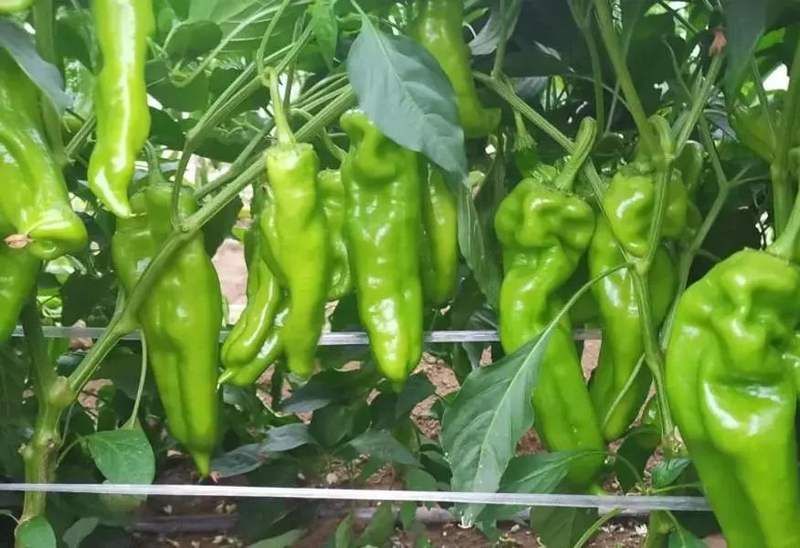
After the stifling of the chili spring, temperatures are rising in many parts of the south and are suitable for the cultivation of chili。
Precious pepper varieties are available in areas that prefer hot ones; and sweet or pepper varieties are available for food and vegetables。
Before planting peppers, seeds can be tanned two to three days in the sun, which can be flipped several times a day, and can facilitate seed preparation and increase germination rates。
The peppers are not drought- and flood-resistant, and water must be poured in time for planting. After 7 to 10 days of planting, a seedling fattening was followed and 5 to 10 kg of urea per acre。
It is common for peppers to suffer from anthrax, disease, virus, etc., and pests such as aphids, cotton bell bugs, and pyrochlor。
Pepper usually takes about 25 - 40 days from flowering to ripening of the fruit, and is collected with caution to avoid damage to the fruit and plant。
6. The cucumbers select the appropriate cucumber species according to the local climate, and the cucumbers sowing at spring break are known as “spring cucumbers”, generally choosing low-temperature, weak light-resistant, early and well-developed varieties。
Seeds can be immersed before cucumber seeding, with seeds placed in warm water 55 - 60°c, which is constantly mixed, and impregnated for four to six hours when water temperature is reduced to around 30°c。
It is appropriate to select plots of land that have not been planted with a melon crop, when cucumber seedlings grow to three to four real leaves, 30 to 40 days old, and the temperature stabilizes at more than 15°c after the local frost。
Among the common diseases of cucumbers are frost, atrophy, etc., and the pests are aphids, parrots, etc。
The cucumbers, which are mainly cucumber pickers, usually spend 8-10 days, and when they grow to a certain size, they can be collected。
After the cyanosis of the soybeans in the spring, the soybeans are sowed when the soil temperature is stable at more than 10°c, and field cultivation is possible from late march to early april。
The soybeans are less stringent for soil, but in order to obtain high yields, they are also expected to be based on deep, fertile, well-watered and neutral soils or micro-acid soils, avoiding links to pulse crops。
Cultivating beans in the spring, generally choosing premature, low-temperature, disease-resistant varieties, and selecting large, full-saturated and non-damaged seeds, can increase seed gerontization。
Beans are intolerant to flooding and be reasonably watered during their growth. In particular, during infancy, water is to be controlled in order to promote rooting and to prevent the planting of stock。
The diseases common to the bean are rusty, anthrax, root decay, etc., and the pests are aphids, soybeans, red spiders, etc。
Vegetable beans are generally collected 10-15 days after flowering when they are full and seeds are not yet visible。
What vegetables did you plant in late march



