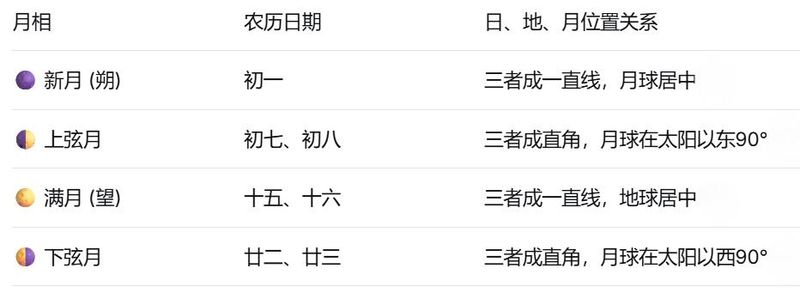
The monthly change is a “life-style” test point in the upper examination geography, which links together the knowledge of the earth's motion and astronomical phenomena in textbooks and is flexible in its approach. We need to grasp the root cause of the "sun, earth, moon" relationship. Bearing in mind the following core table, most of the topics can be addressed。
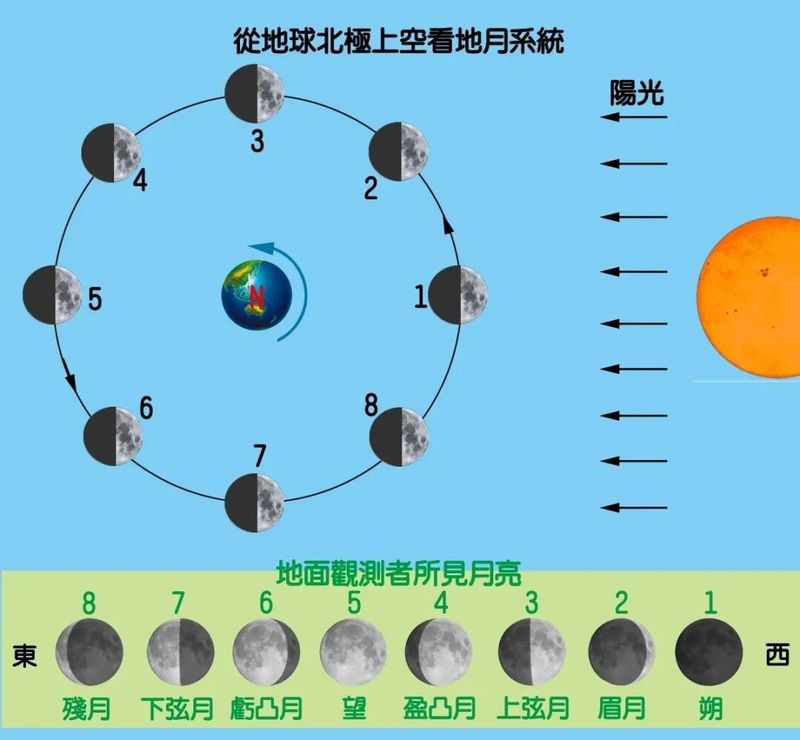
I. Core knowledge checklist
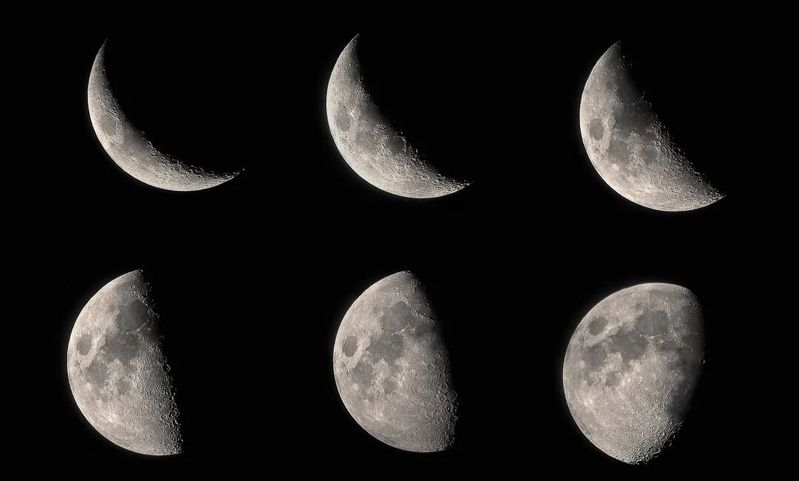
The month-to-month change cycle: from a new month to the next new month, the average is 29. 53 days, known as a “sweeting moon”, on which our agricultural calendar months are based。
Ii. Methodology of current years
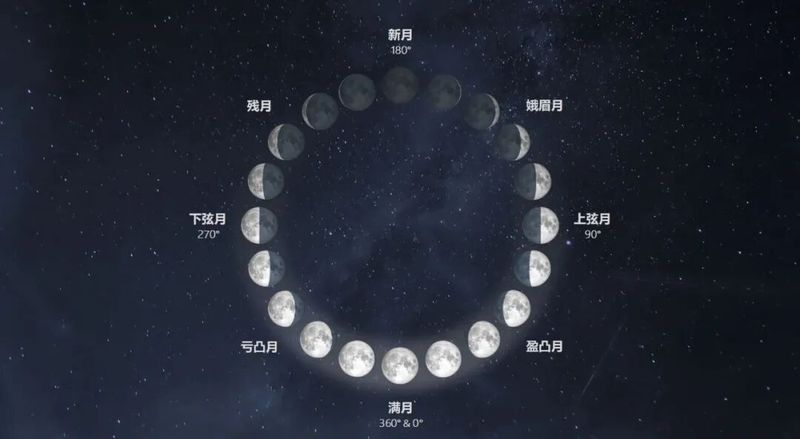
The examination is not limited to “seeing the moon” but focuses more on integrated applications:
1. Situational recognition and reasoning: the determination of the pattern of the month and the time of its occurrence is often examined through ancient poetry or descriptive scenes. The key to solving the problem is to capture the correspondence between the key words “first three”, “month-like bow” and “moose moon”。
2. Comprehensive reasoning (step-by-step): a combination of month-to-month and solar-vision movements, and changes in the length of day and night, and a combination of time or seasons. The key to solving the problem is to remember that “see you in the middle of the month, see you in the middle of the night of the month” and to understand its relationship to the “late rise” or “early fall”。
Iii. Methodology and response techniques
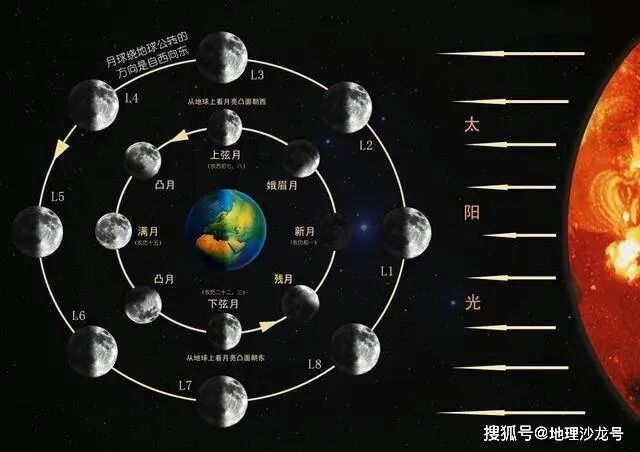
In the face of the moon, you need a clear solution:
Step 1: precisely locking out the month by date or feature
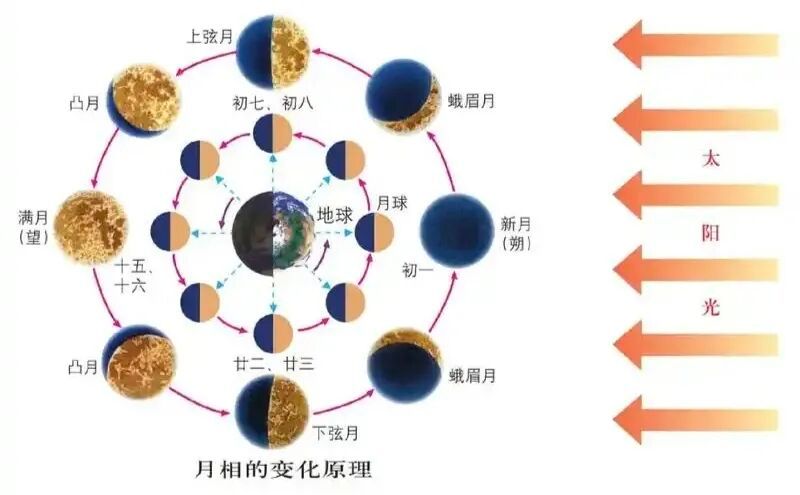
(1) see the date of the agricultural calendar: 7th and 8th last month, 15th and 16th full month and 22nd and 23rd next month。
(2) eyes on the moon are directed towards the “light face” to the west to the first half of the month and “light face” to the east to the second half of the month。
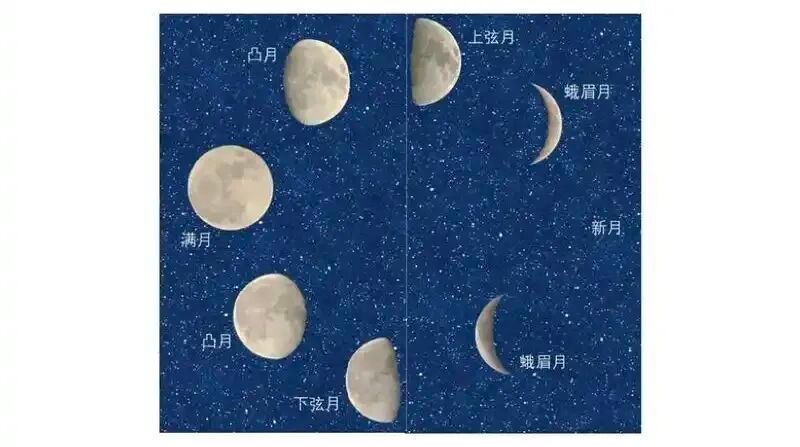
(3) look at the shape of the moon: the sickle form is the eyebrow moon (e. G. “first three”, “first four”), half the brightness is the string moon and the full brightness is the full moon。
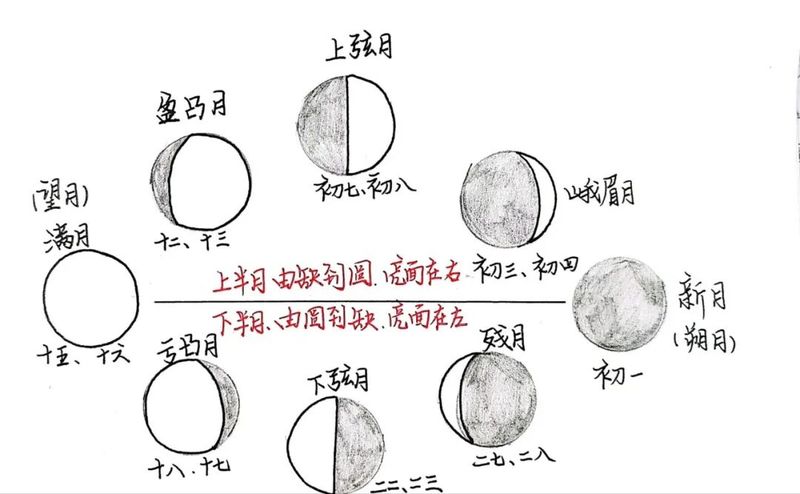
Step two: remember two super-workable mouths
(1) upper and upper west and upper west: the previous month appeared in the middle of the night, in the first half of the month (seventh and eighth year of the agricultural calendar), in the western sky, on the western side (right) half bright。
(2) down east east: the next chord appears in the middle of the night, in the second half of the month (twenty-two, twenty-three), in the eastern sky, on the eastern side (left) and on the bright side。
Step three: mastering “out” time, quick calculation
(1) basic patterns: the time of moonfall is directly related to the calendar date and can be estimated using a simple formula: the number of calendar days x 0. 8 hours; the number of calendar days x 0. 8 hours。
(2) special monthly phase “plaster”
New moon (first year): stay with the sun, about 6 a. M., 18 a. M., invisible all night。
The previous month (first seven): about 12 months, 24:00, and last night (18:00-24:00) is visible in the western sky。
Full moon (15) with the sun, “this rise and fall”, around 18:00, the next day at 6:00, all night long。
The next chord (twenty-three): around 24:00, the next 12 noon, the next midnight (24:00 to 18:00) is visible in the eastern sky。
The disabled moon (end of the month): it can be seen in the east sky before dawn, in the form of “c”。
Moths (first three): two to three hours behind the sun can be seen in the west at a low altitude, in the form of “c”。
Iv. Proposals for preparation
Textual combination: the “11+1+1” learning method is strongly recommended — using 11 consecutive days to draw a snapshot of a month-by-month name, a calendar date and a typical shape (e. G. “preliminary month — eighth — d”). This is particularly effective for students with weak spatial thinking。
Two. The four seasons of spring, summer, autumn and winter observe the same month at 20:00, 2100, 1900 and 1800, respectively, and wonder whether the moon is changing in its position in the sky and in its direction. In the case of the last moon, you find that the moon is always headed west, but its highest position in the sky will vary from season to season, which is the visual expression of the bright face pattern。