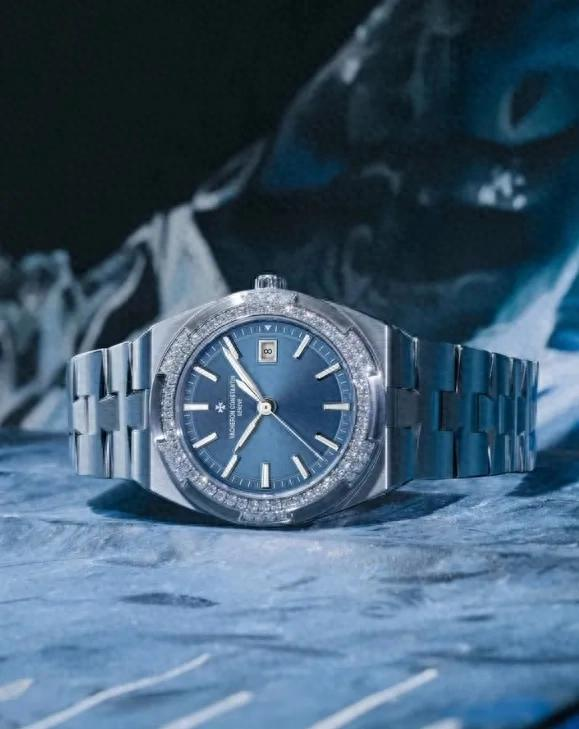
For first-in-table friends, the purchase schedule is often perturbed, while real knowledge of the spleen nature of the watch is often not introduced until a few years later. In fact, with some basic principles, it is possible to avoid a number of circuits, reduce the risk of damage and keep the watch company。
One, stop the watch
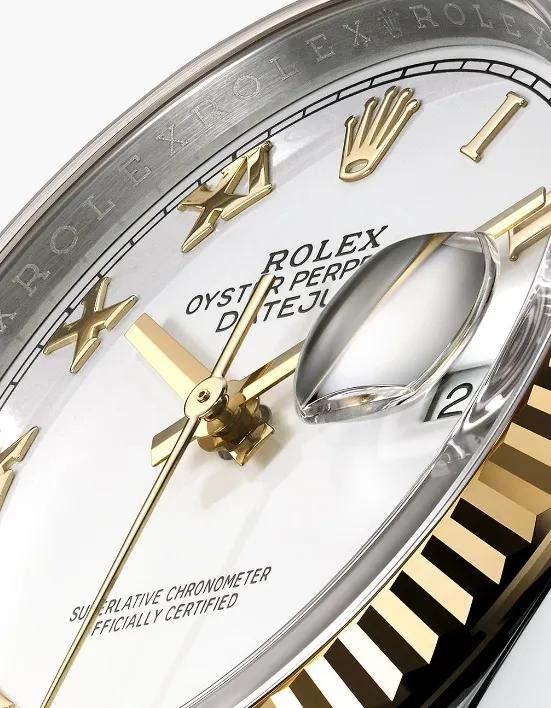
Mechanical watches rely on automatic uplinking (automated gyro) or manual uplinking of the wrist. Mainstream core power storage usually lasts 38-72 hours, and if it is not worn for a few days, the power is out of control。
When the watch is found to be stopped, it can first be manually chained to about 20-30 laps (e. G., feel the hair and do not need to overlink). Note that a clockwise spin-off is required first. Even the automatic watch has to be moved to ensure that enough time (usually more than eight hours) is worn daily to maintain the power, and that the first wear after a long time still needs to be activated manually
Inevitably, there are errors that are more “stable” when moving away from these
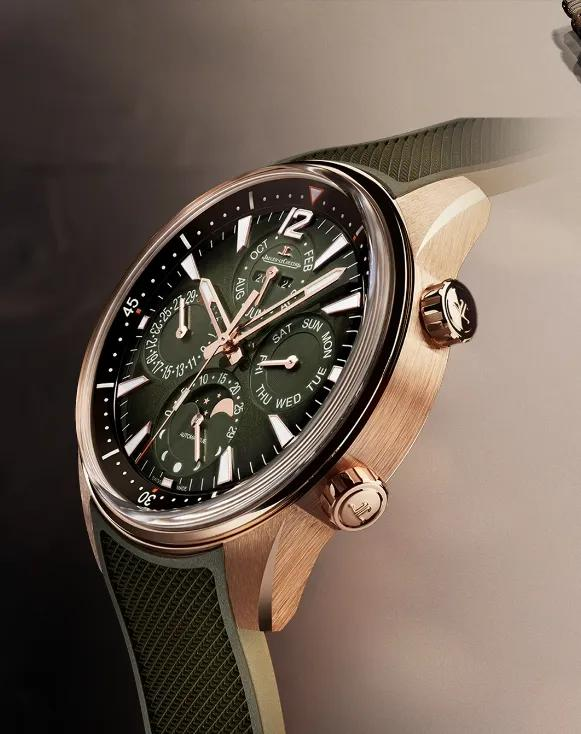
The core of the watch is used as a precision instrument, and factors such as temperature, vibration, magnetic field, etc. Affect the error of the watch. Even a calibrated watch, it is normal for errors to increase over time, but the expensive core cannot commit to zero。
But being away from a strong magnetic field can “stable” the watch, such as sound, electric mahjongg tables, mobile phones, which is a common cause of a sudden increase in error. In cases where errors are significantly beyond range or change suddenly, it is recommended that professional institutions be sent to test for magnetization and to remove them。
Iii. Physical dive depth of waterproof depths. Steam is the enemy

The waterproof depth (e. G., 30m, 50m, 100m, etc.) indicated by the shell refers to the results of a static laboratory water pressure test and is not physically submersible. The water-proof limits of the watch are defined in advance:
30-m/50-m: life-only water (handwashing, rain showers) not to swim and bathe。
100-200 metres: swimming, divination, prior to movement to confirm whether the crown is constricted。
300 m and above: professional water exercise, diving。
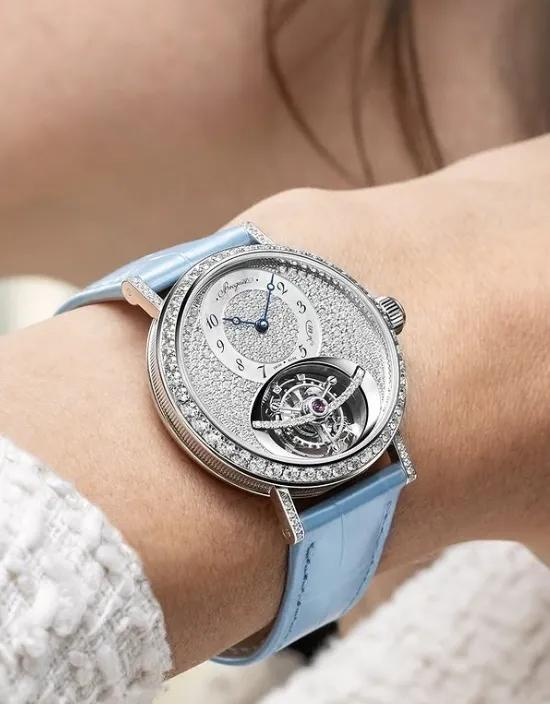
The waterproofness of the watch relies on rubber seals, and high temperatures accelerate the aging of the rings and make water vapours more vulnerable to intrusion. It is recommended that waterproofness be tested at specialized institutions in 1-2 years, that seals be inspected for waterproofness and that the cost of replacing ageing seals be much lower than the cost of water intake maintenance。
Iv. Central core is the cornerstone of the swiss watch industry
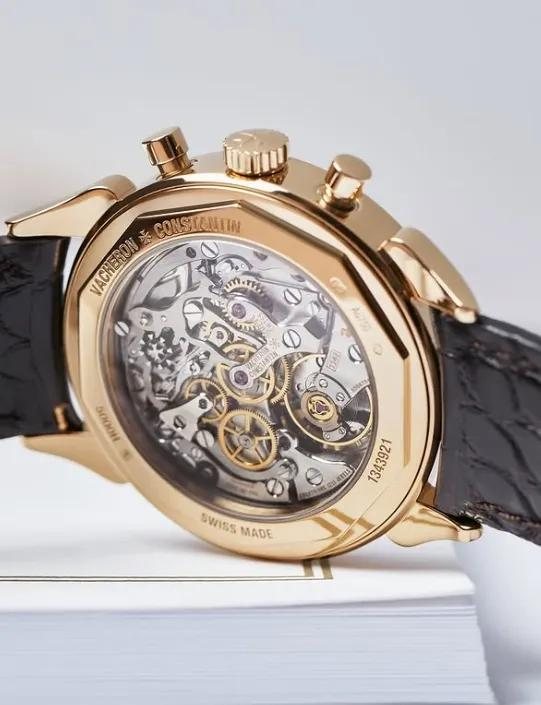
Except for very few brands such as rolex and bada emerald, which insist on full-time production, the base core of eta is widely used in switzerland's high- and middle-end wristwatch. Brands grind, adapt, add modules (e. G. Time, gmt) or replace advanced tour/rollers, thus opening the gap。
However, from the point of view of maintenance, coring technology is mature, stable, easy to maintain and relatively low cost. The core maintenance needs (oil washing, lubrication, calibration) are essentially the same regardless of whether they are self-generated or consolidated, and the choice of a professional reliable maintenance facility is crucial. The selection of an integrity platform for professional watch maintenance, specialized equipment and experienced teams of repair specialists can provide more comprehensive and detailed maintenance services for watches。
In addition to the above, what are the experiences of “buying a watch before learning”? Welcome to your watch。