
More recently, news such as “a couple in yangzhou died of electrocution in the water of the road” and “a man in sichuan died of electrocution as a result of a cell phone for his wife”. How can we properly save ourselves and save people in the face of sudden electrocution? Today, let's study together
01 electrocution principle
Reasons for electrocution in humans
The human body is itself a good conductor and currents can cause electrocution through the human body. When a human is electrocuted, the current may flow directly through the internal organs of the human body, resulting in a heart, respiratory and central nervous system disorder, resulting in electroshock。
The severity of the damage caused to humans by electrocution is mainly influenced by such factors as voltage, current intensity and type of current. If the currents of 0. 02 to 0. 025a can give human muscle cramps, 0. 05a can make human breathing difficult and 0. 1a can seriously affect the functioning of the heart. The human danger of communication is three times that of direct currents. Moreover, the longer the current affects the human body, the greater the threat to life。
02 harm to humans by electrocution
Direct damage
The degree of damage following electrocution can be reduced by three degrees, medium and heavy。
Slightly and moderately impaired persons may experience signs of reduced blood pressure, convulsions, screams, or poor heart rate, shock, etc., while severe impaired persons may stop their breathing as a result of electric currents that cause cardiac tremors through the heart, resulting in cardiac arrest, or electric currents that cause severe muscle contraction through respiratory muscles。
Indirect damage
Furthermore, electric burns result in a series of changes in the human body in local tissues, such as yellow or charcoalization, muscle condensation, etc. Especially in the event of electrocution, a strong contraction of human muscles suddenly ejected the body from the power source. If the electrocutor is at a height, he or she falls accidentally with brain, chest, internal fracture, dislocated and fractured limbs。

03 on-site ambulance
The way out of the power supply
It has been calculated that rescue success rates of up to 60 per cent can be achieved if they arrive at the scene within five minutes from electrocution. But if the rescue takes more than 15 minutes, most electrocutors will die. Therefore, the on-site rescue of electrocution should be quick, timely, accurate and efficient。
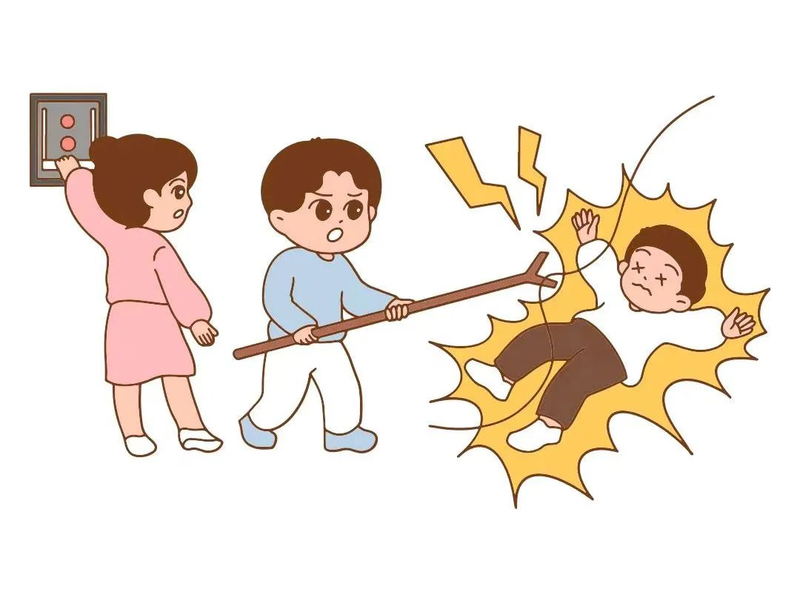
A. Disconnection from low voltage:
1. La: means the power switch, the plug or the porcelain plug-in to the nearest zipper。
2. Cut: when power switches, plugs or porcelain plugs are far from the electrocution site, a sharp object with an insulation rod may be used to cut the power line and prevent the loss of the conductor from reaching the surrounding human body. Moreover, the multi-core hangers should be cut apart to prevent short-circuit injuries。
3. Selection: if the conductor falls on the subject or is pressurized under the subject, then the conductor can be removed from the power source using dry rods, bamboo poles, etc。
4. Drag: a person who drags an insulating object, such as gloves or dry clothes on his hands, away from the power supply. If the electrocutor's pants are dry and not attached to him, the ambulance can grab the unaccompanied trousers with one hand and remove them from the power source. But be careful not to touch the skin of the electrocutor when dragging。
5. Battery: if the electrocutor is convulsed, his fingers are held by a steering line, or he is entangled by a steering line, he may first insert dry wood into the electrocutor's body to insulate him from the earth and then cut off the power。
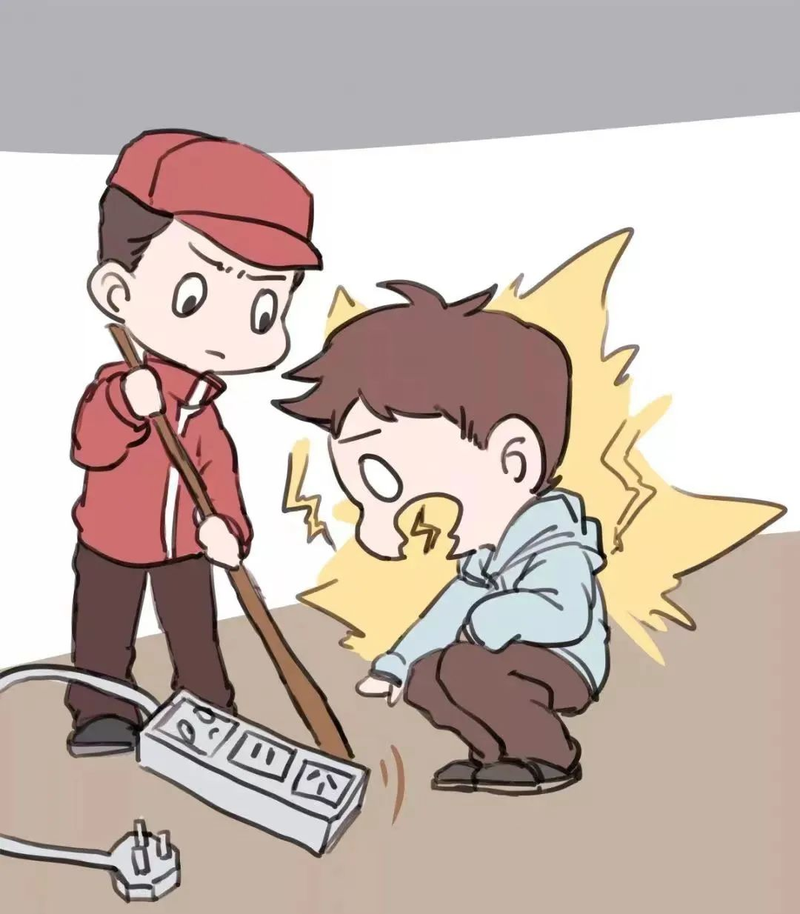
B. Disconnection from high voltage power:
Owing to the high voltage level of the device, the general insulation items cannot guarantee the safety of ambulance personnel. In addition, high voltage power switches are often remote from the site and are difficult to easily disconnect. Thus, there is a difference between the separation of high voltage from the low voltage source:
1. The relevant power department is notified by telephone of the power outage。
2. If the power switch is close to the electrocutor, the power can be cut by wearing insulation gloves, wearing insulation boots, pulling the high pressure breaker or pulling the high pressure drop breaker with an insulation bar。
Throwing naked metal guides onto empty lines, artificially creating short circuits, forcing relay protective devices to move, thus causing power to jump off the switch。
4. If the electrocutor touches the electrically high-voltage steering line that has fallen off the ground and until it has been confirmed that the circuit is out of power, the ambulance personnel cannot reach the range of 8 to 10 metres of the breakout point to prevent cross-step voltage. Ambulance personnel entering the range should wear insulation boots or temporary feet and leapfrog to the electrocutor. When the electrocutor is removed from the electrical conductor line, he shall be brought promptly to the point where he/she begins to contact the emergency。
Specific relief measures
Depending on the magnitude of the shocker's injuries, the following measures were taken for the rescue at the site:
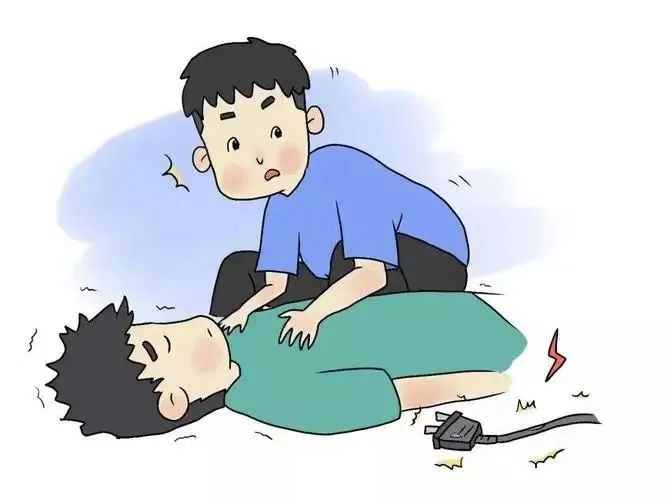
A. Ambulances for those who access electricity without loss of consciousness:
If the injuries suffered by the electrocutor are not severe and sober, but are symptoms of dizziness, cold sweat, vomiting, numbness of the limbs, total inactivity, unconsciousness, etc., the electrocutor can first rest in a warm and warm place and be accompanied by an observation of the situation of the electrocutor, with a doctor coming or being taken to a hospital。
B. Relief measures for electrocutors who have lost consciousness:
If the electrocutor has lost consciousness, but his breathing and heartbeat are normal, he should be comfortably flattened, his clothes lifted to facilitate his breathing, and he should not be surrounded and his air flowing. Heating should be observed during cold days, and doctors should be brought in or taken to hospital immediately. In the event that the electrocutor is found to have difficulty breathing or to have a heart failure, an artificial breathing or chest pressure should be applied immediately。
C. First aid to “false dead”
If the electrocutor shows a “false death”, there may be three clinical symptoms: a cardiac arrest, but still breathing; a stop breathing, but still heart rate (vulneral weakness); and a stop to heartbeat and breath. Symptoms of “false death” are judged by “reading” and “hearing” and “trying”. “looking” is the observation of an ecstasy in the chest and abdomen; “hearing” is the proximity of an ear to the mouth and nose of an electrocutor and the sound of a breath; “testing” is the testing of a gaseous flow in the mouth and nose with a hand or small note, and the vibrancy of the artery in the dention of the larynx with a two-finger pressure to determine the condition of the breath and the heartbeat of the electrocutor。
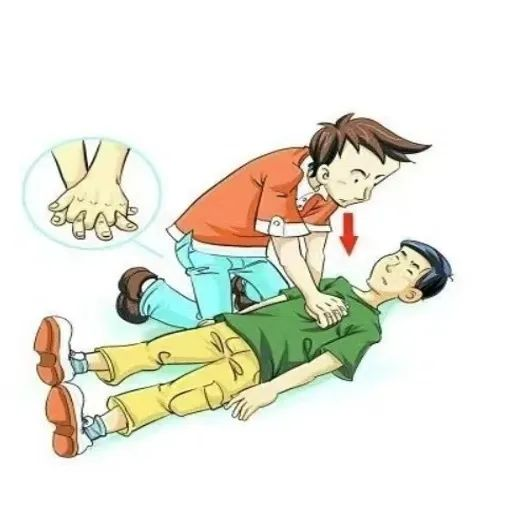
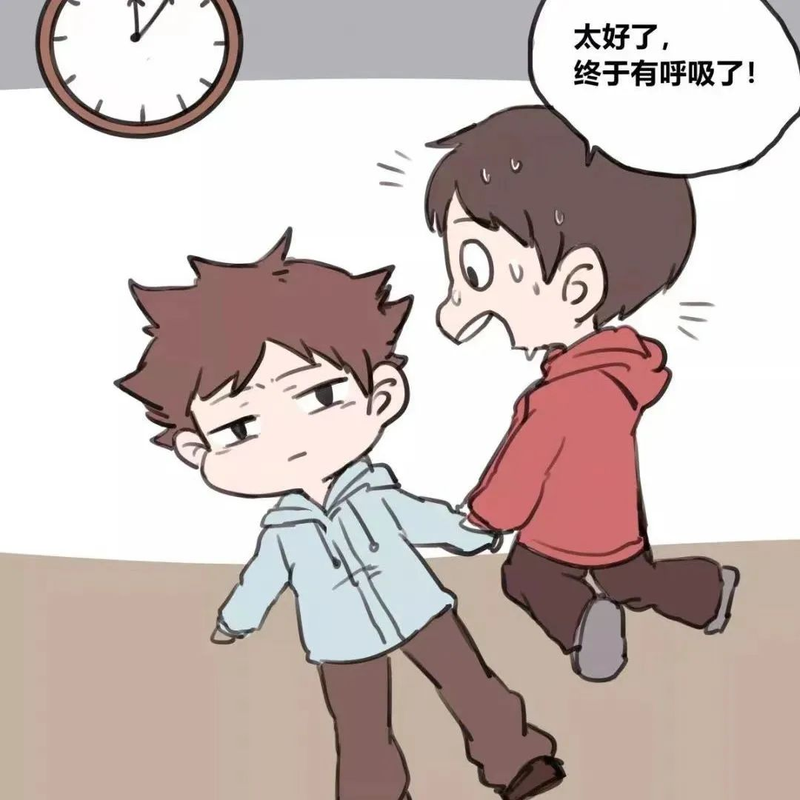

The heart resuscitation method for the electrocutor
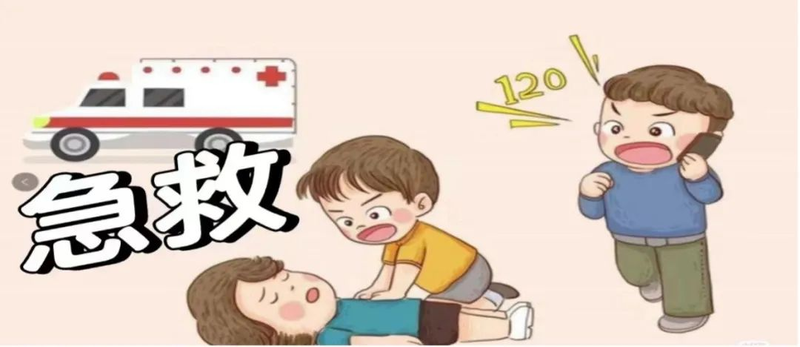
The methodology consists of three basic measures, namely, open airways, mouth-to-mouth (nose) artificial respiration, and chest pressure (manual circulation)。
First, the electrocutor's gas route is blocked by an alien, and if not, the person is given an oral mouth-to-mouth (nose) artificial respiration (first blow twice in a row, at 1-1. 5s) at a normal frequency of 12 per minute and 20 per minute for children. The outside pressure shall be carried out at a flat rate, with an operational frequency of 80 per minute. Each time includes a cycle of pressure and relaxation, equal in the time of pressure and relaxation. When the outside of the chest is carried out at the same time as the mouth-to-mouth (nose) artificial respiration, the rhythm of the operation is: twice (15:2) after the single person's reticulation, and once after the second person's retrenchment, after the second person's retrenchment。
04 trauma relief
A little first aid
When electrocution occurs, electrocutors often experience various kinds of trauma, such as skin trauma, seepage and haemorrhage, fall and electric burns. General practice of trauma care:
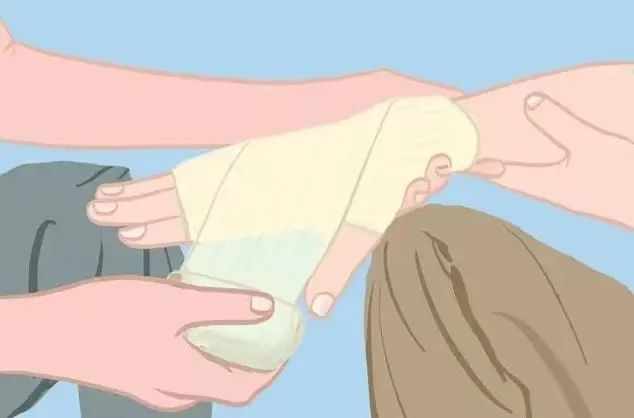
1. In the case of general trauma, after being washed with sterile physical salt water or clean hot water, they are then covered with disinfectant bandages and the injured are then taken to hospital. Ambulance personnel are not allowed to touch the wound with their hands and are not allowed to use any medication in the wound。
2. The haemorrhage of the electrocutor shall immediately be pressured above the point of bleeding by clean gauze or clothing, and may also be interrupted by an ambulatory rubber belt. At the same time, hemorrhages are lifted or lifted to reduce the amount of hemorrhage and are sent to the hospital in a swift manner. If hemorrhaging is not serious, several layers can be folded with disinfection bandages covering the wound to contain the bleeding。
3. Arc burns caused by high-pressure electrocution are often deep in the bones and are handled in a complex manner. The scene can be washed with sterile physico-saline, then painted with alcohol, then packaged with disinfection and taken to a hospital as soon as possible。
05 daily life
Power safe
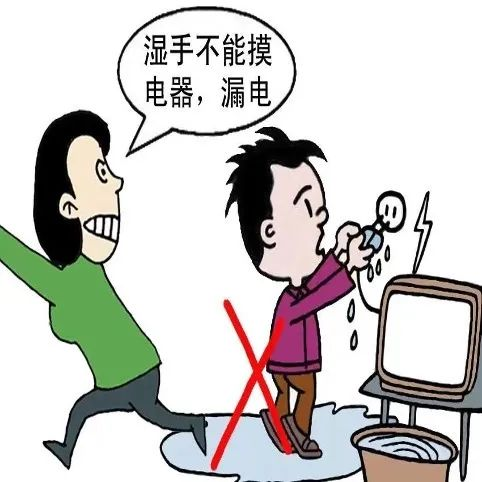
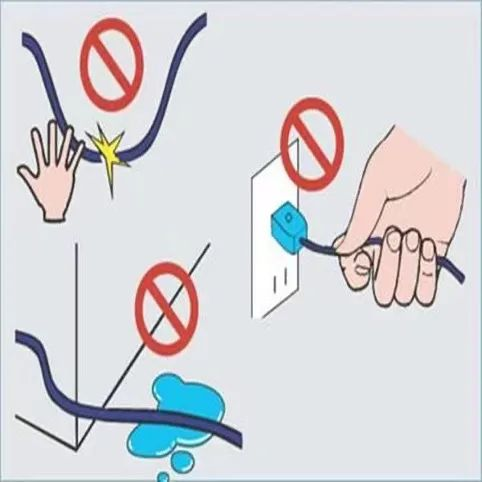
(1) family members shall have proper access to electricity. The power supply must be cut when replacing the melting wire, dismantling electrical appliances or mobile electrical devices, without risking electrical operation. People are not allowed to leave when they use household appliances such as electric wind blowers, irons and stoves. When smoke or smell is detected in electrical equipment, power should be cut and repaired in a timely manner。
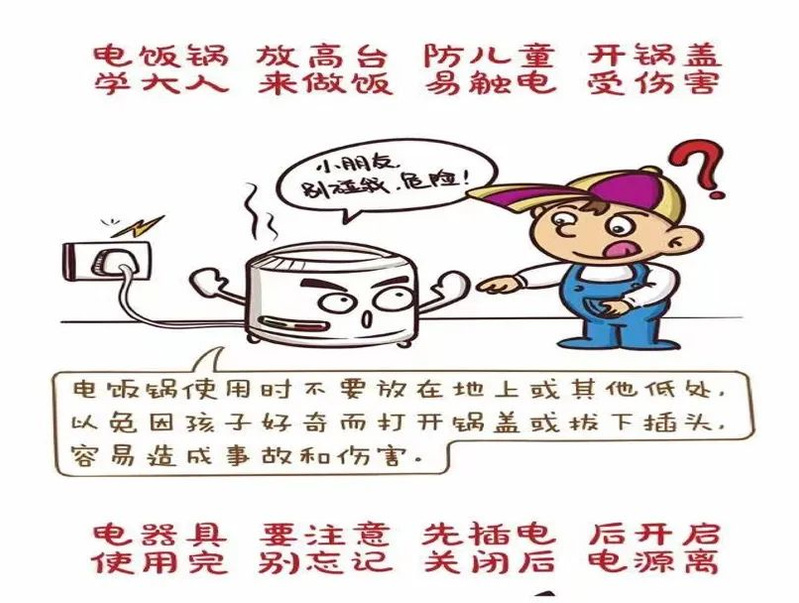
(2) remember safe use of electricity. Qualified electrical products are purchased, and the metal casings used in the ground appliances are protected by changing the three-eye plugs to two-eye plugs at random, without the use of wet hand cloths to wipe electrical headlights, switches, etc. The antenna installation outside the television room should be robust and secure。
It's the end of the wind
Security is no small matter. The details determine success or failure
He's in danger. He's calm
May the students be vigilant, learn first aid, and be safe and healthy every day