I. Choosing good detoxification potatoes
Good potato seeding is key to achieving a productive and high quality potato. Precedence is given to detoxification of primary or primary potato varieties by highly adaptable, disease-resistant, productive and commodity-friendly varieties such as dutch 7, dutch 15, hissen 3, v7. Seed quality requires no less than 99 per cent purity, no less than 90 per cent integrity and no more than 5 per cent imperfection. Tightly selected potatoes, which are well-structured and well-physicized, are used to eliminate the harmful forms of potatoes, which are not well-formed, have a rough aging skin, have a dark skin, and have sickly rotten potatoes。
Ii. Potato processing
The purpose of processing potatoes is to promote growth and to prevent and reduce the occurrence of diseases. The processing methods include the following。
(i) sun seeding
Potatoes are dried up in the sun for 1 to 2 days before they enter the store, in order to kill the tuber's surface disease and reduce the tuber's moisture; the first 30 days of seeding are taken out of the cellar and the sun is removed from the sick and rotten chips for 1 to 2 days。
(ii) cut
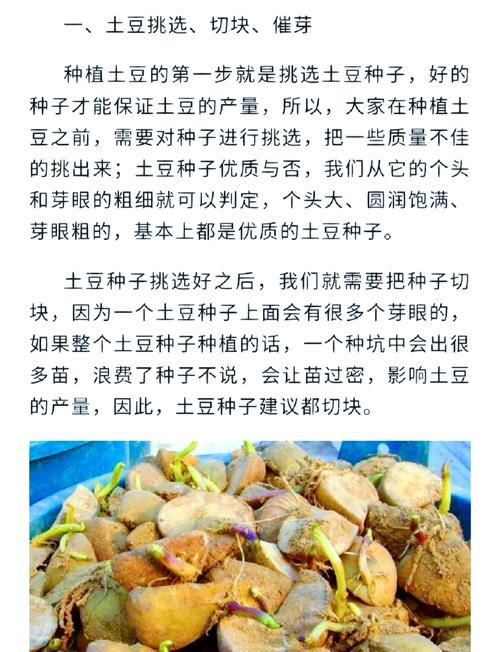
In order to maintain the top advantage, the upper slices of the budding eye are to be slashed by a spiral, and the appropriate size of the slices is 25 to 40 g, dry wounds are to be laid, sick potatoes are to be found and the whole potato is to be thrown away. The cutters are selected with multiple cutters, which are exchanged repeatedly in the middle of the slices, and if contaminated with the sick potatoes, they are sterilized with 75% alcohol or 0. 5% potassium permanganate solution。
(iii) clothes
Physicidal blends can prevent sterilism, dry decomposition, tubular decomposition and the hazards of aphids, as well as subterranean insects and gold needles. Chemical pesticides, such as chromium, fluoride or platinum carbacterium, may also be mixed with methyl sulphate by biological agents, such as cyanide, white fungus, fungi, fungus, drying and seeding, and to combat soil, seeding and underground pests。
(iv) drumbing
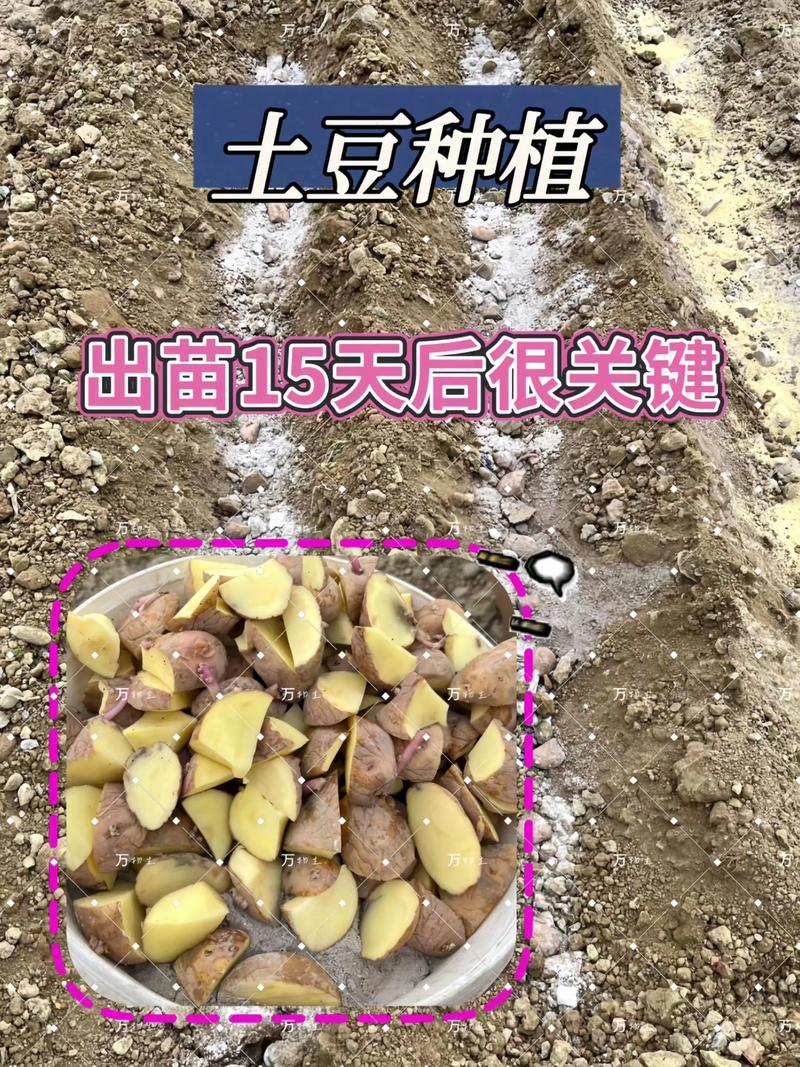
Disposed slices are placed in the facility for seeding. The appropriate sprout temperature is 15-20°c, less than 10°c, more than 25°c, and is weak and easily impaired during seeding. The sprouts remain at around 70%. When the potato sprouts are 2-3 cm long, the chips are removed and fertilized to 10-15 °c dispersed indoors or winter hothouses until the sprouts are green enough to sow in 3-5 days。
Iii. The whole area
Fields with deep, fertile soil and easy drainage are selected for 25 cm before winter. Land-cleaning is carried out using a tiller, with the soil plowing, plowing and flattening. 7 to 10 days before seeding, covered with tectonic membranes to increase the temperature of the ground, facilitate seeding and seeding, while reducing the incidence of endemic diseases。
Iv. Required institution
(i) timing of seeding
Reasonable seeding times are determined in accordance with the facility's protection form and temperature protection performance. In normal years, the arch shed covers four membranes in late december-early january and the arch shed in mid-january-early february. In mid-february-late february, membrane cultivation was planted in late february-early march。
(ii) fertilizer application
Medium fertility plots, typically 2000 kg ~ 4000 kg per acre, with three dollar complex (15-10-20) 80 kg, microbial fertiliser 200 kg, thallium 20 kg, and cedar 1 kg。
(iii) reasonable secrecy
Cultivated in single rows (65 cm - 70 cm) or single rows (80 cm - 90 cm - 30 cm - 30 cm) up to about 25 cm - 20 cm - 25 cm, with 4,000 - 6500 units per acre. The seed depth is 13 to 15 cm. Vegetable v7 series, slightly shallow, average 8 cm-10 cm. The seeding is carried out in one-time operations, such as a pick-up, seeding, ploughing, retina, etc. The planting is followed by the selection of small arch sheds, mid arch sheds, covering small arches and mid arches。
(iv) prevention of underground pests
The thiophos-methyl cream can be used as bait to sow in the ditch and to combat underground pests。
V. Backstage field management
(i) timely membrane seedlings and promotion of membrane cover technology
The seedlings are produced in a timely manner, and they contain the saplings with wet soil, or they use membrane techniques (3 cm above the membrane at distance of 2 cm ~ 3 cm). The techniques of covering the potato membrane rely on the natural upward force of the potato sprouts to produce seedlings, save large amounts of labour without chronology at a later stage and maintain the integrity of the membrane。
(ii) environmental regulation
Potato likes cold environments. The most suitable soil temperature is 16°c ~ 18°c, and the growth of the tubers is hampered at 25°c. The size and duration of vents should be determined in accordance with the temperature in the shed。
(iii) fertilizer management
Look at the sky and see the seed water. The first water is concentrated three times after seeding, the second water is in the horticulture period, the third water is in the seal, and the third water begins at the most critical point in the water requirement, and should be irrigated with small water, such as heavy wetness, which can lead to the decay of the stem, depending on soil conditions. The irrigation was stopped seven days before the harvest to ensure that the harvested tubers were ageing to facilitate storage. 3 kg/acre of fully water soluble fertilizer (8-8-50) was flushed three times after the potato seed and seven days before the harvest, each time a pesticide was sprayed, the tablets were replenished with potassium phosphate。
Vi. Strengthening the prevention of and response to unusual disaster weather
(i) early spring frostbite (precipitous winter) weather response
Timely viewing of weather forecasts can be done by pre-heating watering on the basis of pre-temperature conditions; increasing cover temperature protection; maximizing light time during the day; increasing heat storage in the shed; early morning by lighting hotspots, using electric heat blankets and electric heaters, while paying attention to the safety of electric fire; and appropriately postponing the removal of reticulations of arch potatoes to cope with the effects of early spring。
(ii) the response of early springs to successive rainy weather
Care should be taken to keep the shantytown warm, enhance coverage, ventilate and dehumidize in a timely manner, and to dig up drains and eliminate water accumulation. When rainy days are longer, appropriate water is sprayed on the leaves and gradual light is used to prevent the sudden lighting of potatoes in the shed from causing water loss. The continuous rainy season is more humid, and attention should be paid to the timely application of post-rainfall agents to combat diseases such as the potato fever and to avoid contagion。
(iii) early spring weather response
Close attention should be paid to weather changes, which can be improved by strengthening the archbone skeletons, increasing and tightening pressure membranes, closing both heads and the upper-middle vents before the onset of the wind weather, and preventing damage from liftbows。
Vii. Pest management
Prevention and treatment of potato-based pests should be based on a “preventive, integrated” approach to plant protection, with a strong effort to promote green prevention and control, giving priority to the use of disease-resistant varieties, the selection of high-quality detoxification potatoes, the promotion of technologies such as the processing of potatoes, and the integration of agricultural, physical, chemical and other measures to improve control effectiveness. Agricultural measures include, inter alia, the option of detoxification of potatoes, scissor disinfection, hysteria, timely ventilation and wetting, and proper rotation. Physical measures include the use of yellowboard baiting for aphids, powdered lice, the use of black light lamps and amphibious insecticidal lamps in conjunction with sugar vinegar. Biological measures include the control of aphids by natural natural predators, such as aphids, the use of plant sources, microbiological sources or mineral-source agents to combat pests and the use of sexual and enticing insects. Chemical measures target subterranean pests such as tigers, thorium, thorium, thorium, thorium, etc., for treatment with cleavages or sowing of bean bean bean bean beams, thorium, thiram, thiram, etc., for treatment with late-epest disease, as well as with fungicides such as distillation of aphids, thiram, thiram, and thiram, for control with a focus on spraying of the back of the leaf。
Viii. Enough access
In general, between late march and mid-june, a one-time leaf cut-off harvest, with manual or machine, resulted in the extraction of damaged potatoes, potatoes, rotten potatoes, wormeyes, deformed potatoes, etc., which were artificially graded, packed, bagged, boxed and sold centrally。