Episode work
Still fertilizing pelican trees? I'm afraid it's too slow. Indeed, the key to increased production of eucalyptus is not “over-feeding”, but rather “precipitation” — a technique that limits the production of fattening by eucalyptus, which is helping an increasing number of growers to break the “fertilizing conditions”
Traditional fertilization is based on the idea that “more nutrients grow fast”, while ignoring the absorption pattern of euphoria: overdose of potassium nitrogen phosphorus not only overburdens the roots, but also leads to a rise in soil sheeting, pests and diseases, and slows down the growth rhythm. At the core of the fertilizer-restrictiver technology is “supply on demand”: the precise control of fertilizer usage and ratio, using “less and less” nutrients to leverage “quick and steady” growth, in accordance with the nutritional needs of the aluminum tree over different growth cycles (prematures, rapid birth periods, gestation periods)。
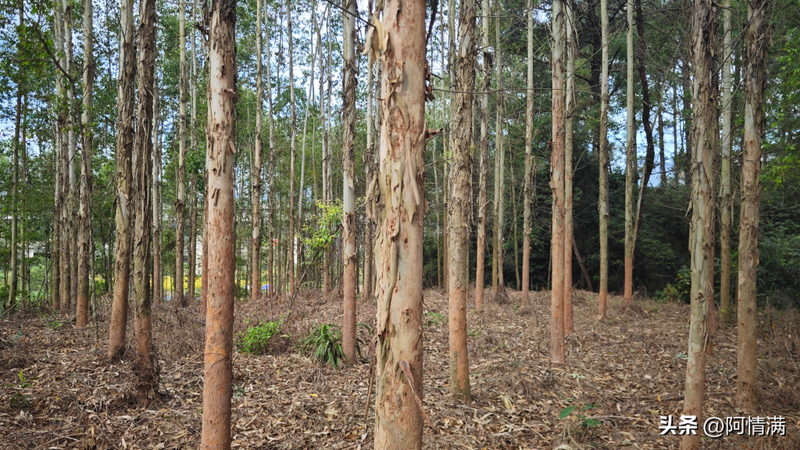
Pure forest
A practical case in point is the 30 per cent reduction in the cost of fertilizer per acre of eucalyptus following the application of fertilizer-restricted techniques in a forest in guangxi, but the increase in wood production was 15 per cent, four to six months earlier. The key is to avoid loss of nutrients by combining a combination of “lower decomposition + trace elements” and to strictly control the application of fertilization, focus on potassium for woodification during the fast-growing period, and reduce nitrogen resistance in the early seeding period, each step at the “demand point” where the alumni grow。
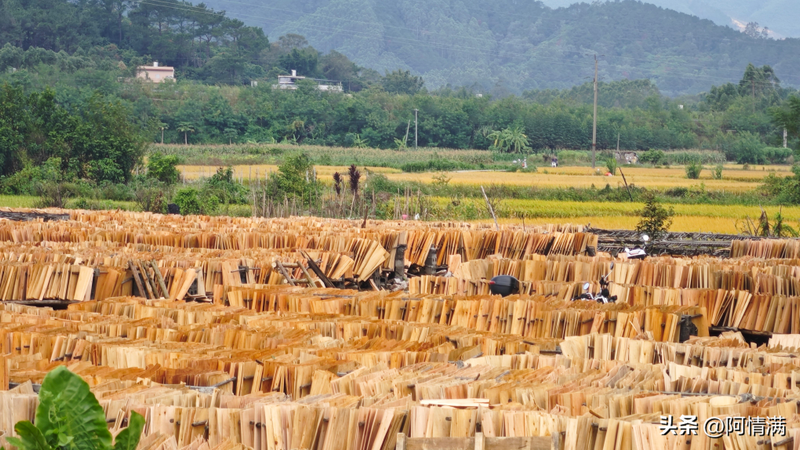
Pelican monument
More importantly, fertilizer-restrictive technologies can protect the soil! Reducing excess chemical fertilizer inputs increases the activity of soil microbes and makes them more sustainable, not only growing fast, but also increasing the density of wood, with natural higher prices。
Stop using the old idea of “more fertilizing”。
#the technology of eucalyptus cultivation # forestry harvest #