In guangxi all over the eucalyptus, people would ask, "do you really want to grow the euphoria like a mountain song?"
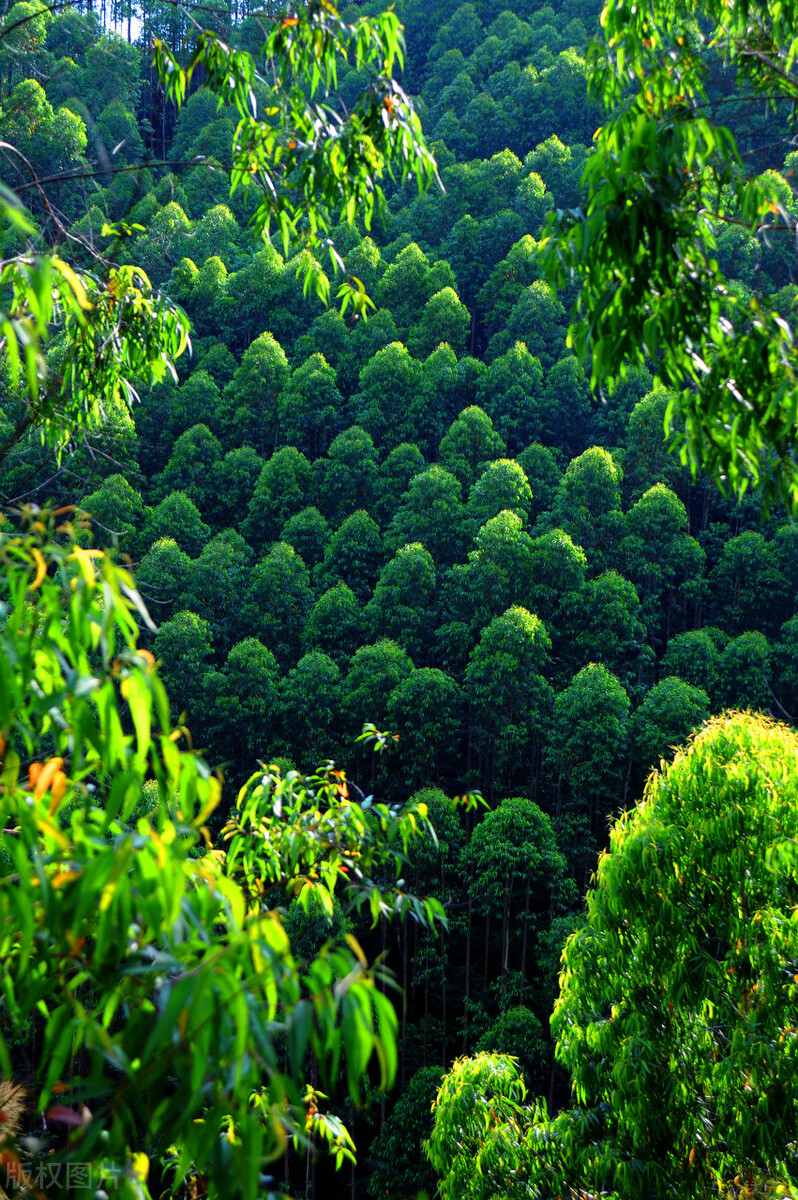
To answer that question, we also have to learn about land。
Under the land management act, land is divided into three main categories: agricultural land, construction land, unused land. Agricultural land, on the other hand, is a broad concept that can be broken down into plantations (arable land), horticulture and horticulture (horticulture land), forestry land (forest land), livestock land (grass land), fisheries land, etc。
The planting of eucalyptus trees, which should have been planted on forest land, i. E. Forest land, is clear that they cannot be planted on arable land. The newly amended regulations for the implementation of the land administration law of the people's republic of china, which came into effect on 1 september 2021, provide a legislative response to the reality of “non-food” cropland. The strict control of the conversion of arable land to other agricultural lands, such as forest land, grassland and garden land, is clearly provided for, and penalties for “de-foodization” of arable land have been added。
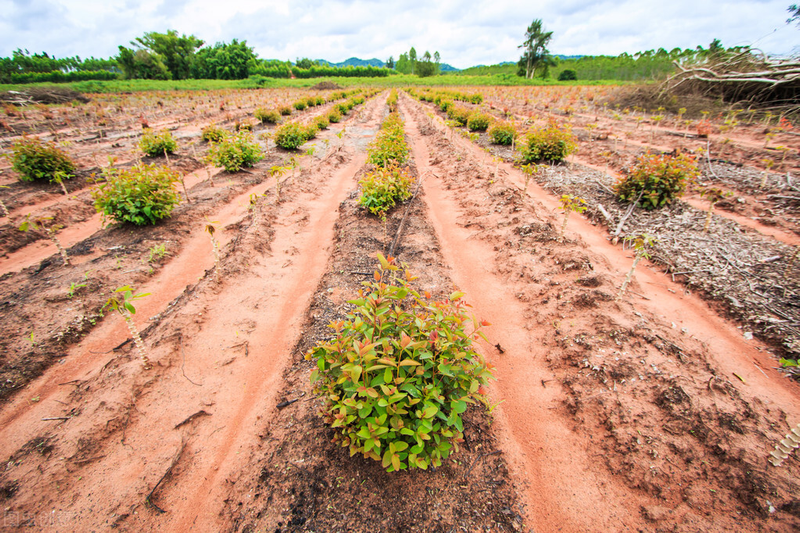
The regulations on the protection of drinking water sources in the guangxi autonomous region also provide for the imposition of a fine of less than ten dollars per square metre per unit, in addition to the possibility of clearing or replacing trees, for those who have been engaged in cropping for less than ten years in secondary protected areas or within the protection of rural drinking water sources。
It is therefore clear that eucalyptus trees below a decade of short rotation cannot be planted in arable land or in water reserves, which is what we see as a “prohibiting order” and “act of war”。
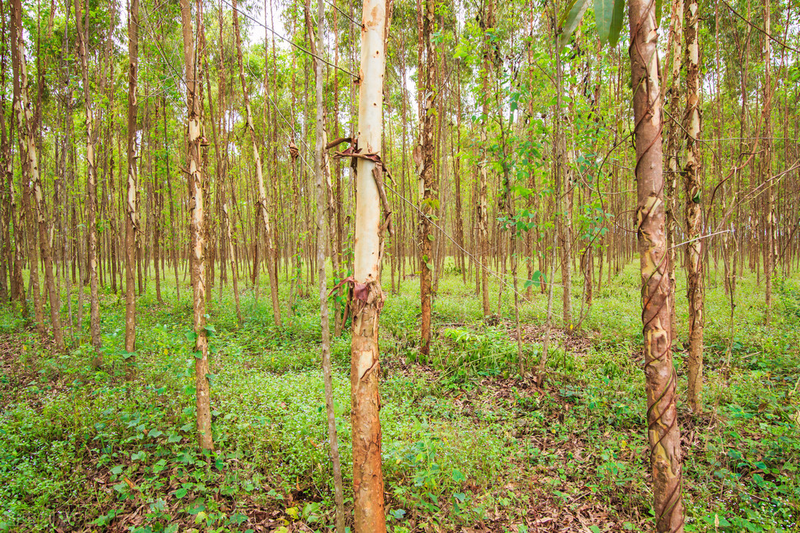
Return to forest land, or forest land。
In accordance with the principles of forest classification and operation, we divide forests into public and commercial forests for the most basic purposes. Public-interest forests are operated for ecological protection, biodiversity conservation and homeland security, while commercial forests are operated primarily for the provision of wood and forest products to society, with the aim of maximizing economic benefits。
With the liberalization of the three policies and the reform of the forest rights system, farmers are legally free to decide on the direction and mode of operation of their businesses and to sell the timber they produce. The first is that the direction of the operation of their forest lands can be determined independently, provided it is not contrary to the prohibitions imposed by the law; the second is that the option of operating independently, cooperatively, commissioning, leasing, etc., is available to them; and the third is that timber, as a commodity, is free to decide whether, how and to whom to sell. It is clear that the policy confers on the contracting operator the right to autonomy in production。
Thus, the planting of eucalyptus trees in guangxi can only take place on commercial forest land, and the cultivation of the industrial raw forest of eucalyptus during short-duration periods in areas of public interest, particularly in important ecological areas, such as water-carriage forests, is strictly prohibited, let alone deforestation, while the planting of more than 1,000 acres of forest, the promotion of mixed forests, multi-species matching, the enhancement of biodiversity and the full promotion of environmentally sound, low-carbon technologies such as mountain-free and soil-based fertilization。
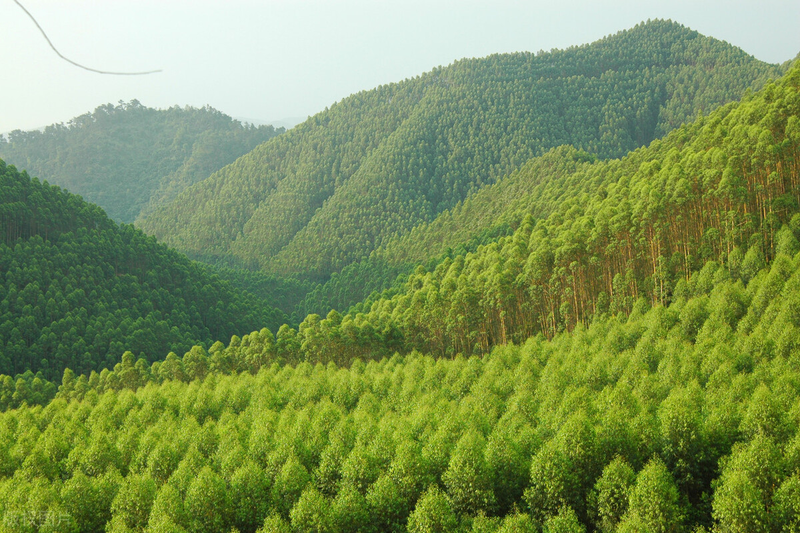
As to which forest land is a commercial forest land, it is available to local forest authorities。