The autumn potato production took place in august-november, when climate change patterns contrasted with spring, with temperatures ranging from high to low, and light periods ranging from long to short. The period between mid-august, when seedlings, cash buds and flowers are produced in mid-september and mid-october is a period in which potato leaves grow, with lower temperatures in late october and november, greater temperature differentials during the day and night, favouring the accumulation of organic matter, and the expansion of potato troughs, to be harvested in mid-november. So, how do you grow the autumn potatoes? Now let's find out how the potato is grown and how it is managed。
I. Highlights of the seeding of the autumn potatoes
1. 1 land selection
Potato products are tubers that form and expand in the soil. In order to achieve a high yield, a cold environment should be created for the seeding period, with the choice of soil laxation, ventilation, good water fertility protection, micro-acid sandy earth for cultivation, or land on the back of the border. After harvesting, the former crop is cultivated deep, usually at a depth of not less than 25 cm, with the application of 15. 0 - 37. 5 t/hm2 or composite manure 1500 kg/hm2, evenly mixed, the entire plot is dredged and the farm rises up. You have to be able to drain the plots。
1. 2 high-quality detoxification potatoes selected for local adaptation
In order to reduce the harm caused by the potato virus disease and to improve its yield, quality and productivity, it is important to select non-virus-free or highly viral detoxification varieties of potatoes for seeding. The application of detoxicated potato is currently a technical measure at home and abroad to address the risks of the potato virus disease and to improve its yield and quality. The potential for increased production is typically 30-50 per cent, with a high potential to multiply。
1. 3 potatoes choose to be closed
Fresh, strong, full-filled tubers should be selected for seeding. It is advisable to choose small, disease-free whole potatoes (around 50 g) that are well-structured, have the characteristics of an early or medium-prematured variety, and have smooth potatoes. In the selection of the potato crop, the rods of deformity, dyslexia, disease spots or necrosis are strictly removed. If there are detoxification seeds, they are selected to reduce the risk of disease. The seeding of potatoes requires some necessary treatment before planting:
1. 3. 1 sterilization and break-up of hibernation
A 15-20 minute leaching with a mixture of 5-10 mg/kg of acin can be used for methyl sulphate or polysulphate, followed by the leaching with caustic and luminous luminous sprouts, and seeding after the breathing. The role of methyl sulphate and polysulphate is to disinfect the seeding of potatoes and to kill the fungus that lie on the surface of the potato; the role of cactin is to break the trachea, to promote the homogeneity of the masts and to ensure that the seeding takes place。
1. 3. 2 preferable seeding of small whole potatoes (approximately 30-50 g)
Small whole potatoes have the pre-emergence advantage, which is conducive to high yields, and small whole potatoes are suitable for seeding because of high pre-growth temperatures during the fall potato sowing, and because they are susceptible to disease and decay. In general, a field should be prepared to grow 150-200 kg of potatoes per acre。
1. 4 reasonable rotation
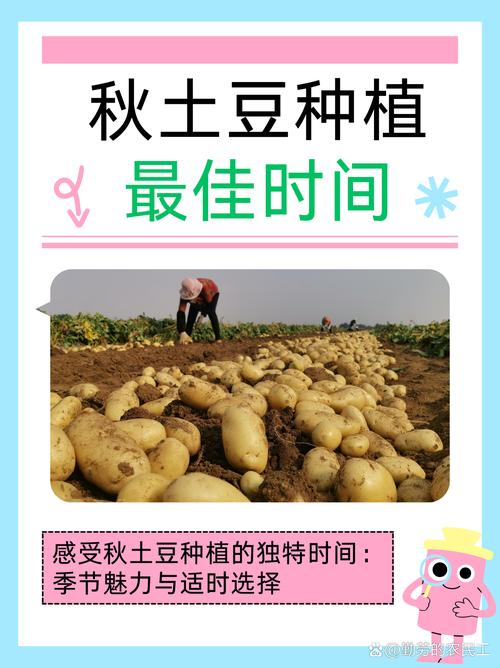
The soil grown with potatoes is suitable for the selection of the soil of the soil, which is deep, estranged and fertile, permeable and easily drained, micro-acid border or light sand. Land that has grown potatoes without potatoes for a period of two to three years should also be avoided from other tomato crops (e. G., peppers, eggplants, tomatoes, tobacco, etc.) and other root, tuber crops; previously such crops are suitable for bean and herbal crops, and rice fields are used to grow water and dry potatoes, which can reduce the incidence of disease and pests and effectively improve soil and fertilizing land, with significant productivity gains。
1. 5 cultivation systems
Cultivation is the basis for the high production of potatoes. Deep tillage will make the soil lax and air-transmittance, improve soil water storage, fattening and drought resistance, improve the physical properties of the soil, and create good conditions for the full development of the potato roots and the expansion of the chips. It should be ploughed in depth by 20-30 cm, with a length of 100 - 110 cm and a face wide of about 80 cm and a row of two species; it should be 20 - 30 cm wide, 15 - 20 cm deep, and 30 cm deep in a ditch (paddy fields), and the dirt removed from it should be thrown in the middle of the compartment in a smooth manner, and the face should be formed into a turtle's back。
The fall sowing period for potatoes is usually in mid-august, at a time of high temperature and rain, and it is appropriate to sow before 10 or after 15:00. Follow the ditches, plant them, cover the earth, and dig the drains. 60cm line, 20-25cm range, 75,000/hm2。
1. 6 beneath base fat
About 25-6 kg of nitrogen, 2o52-3 kg of phosphorus and 2o11-13 kg of potassium have been measured from soil for each ton of potatoes produced; the estimate of 1. 5 tons of potatoes per acre is 27. 5-9 kg of pure nitrogen, 2o53-4. 5 kg of phosphorus and 2o16. 5-19. 5 kg of potassium. It is recommended that each acre farm should be fed by 1,200-1500 kg of fat or 60 kg of fermentation cake, 40 kg of compound fat and 40 kg of oxen phosphorus (potassium), in combination with the whole ground and concentrated in ditches, in order to achieve full fertility. Fertilizer is used to open a ditch at the density of the potato seeding on the side, deep at 10-12 cm, and then to mix the fertilizer into the soil. In the event of drought, fresh dung can be poured once more; then the seeding of potatoes will be evenly placed in the sown ditches that will deviate from the fertilizer site or the edge of the gutter, with 7-8 cm thick cover on it。
Ii. Autumn potato growth management
In the autumn, the period suitable for the growth of potatoes is relatively short, long-term management of life is carried out in as timely a manner as possible, with the principle of “early onset, medium-term stability and later decline”。
2. 1 early drainage, tillage
The fall was characterized by heavy rainfall, especially in august, when weeds grew fast after seeding, before potatoes grew, and when water accumulated after rain, it was necessary to run out of water in a timely manner, and weeding was carried out in a timely manner to prevent the cultivation of potatoes. Decomposition, elimination of rain plastering and prevention of weeding for seedlings and seedlings。
2. 2 fertilizer water management
We need to get to the bottom of this. In the case of sufficient base fat, the fat is tracked twice during growth. The first fertilizer is applied at 70 per cent - 80 per cent of the seedlings, and the second fertilizer is applied at 600 kg/hm2 and urea 225 - 450 kg/hm2 depending on their growth. In the later stages, if the plant is not strong, it can be combined with watering to increase the number of fat pursuits, as well as the spraying of leaf pasta (0. 5 per cent potassium phosphate + 0. 6 per cent urea)1 - 2 times, promoting the expansion of chips, increasing resistance of the plant to frost, preventing early decay and prolonging growth. On average, water is poured in time to keep the surface wet and soil content at 60 — 80 %。
2. 3 timeliness
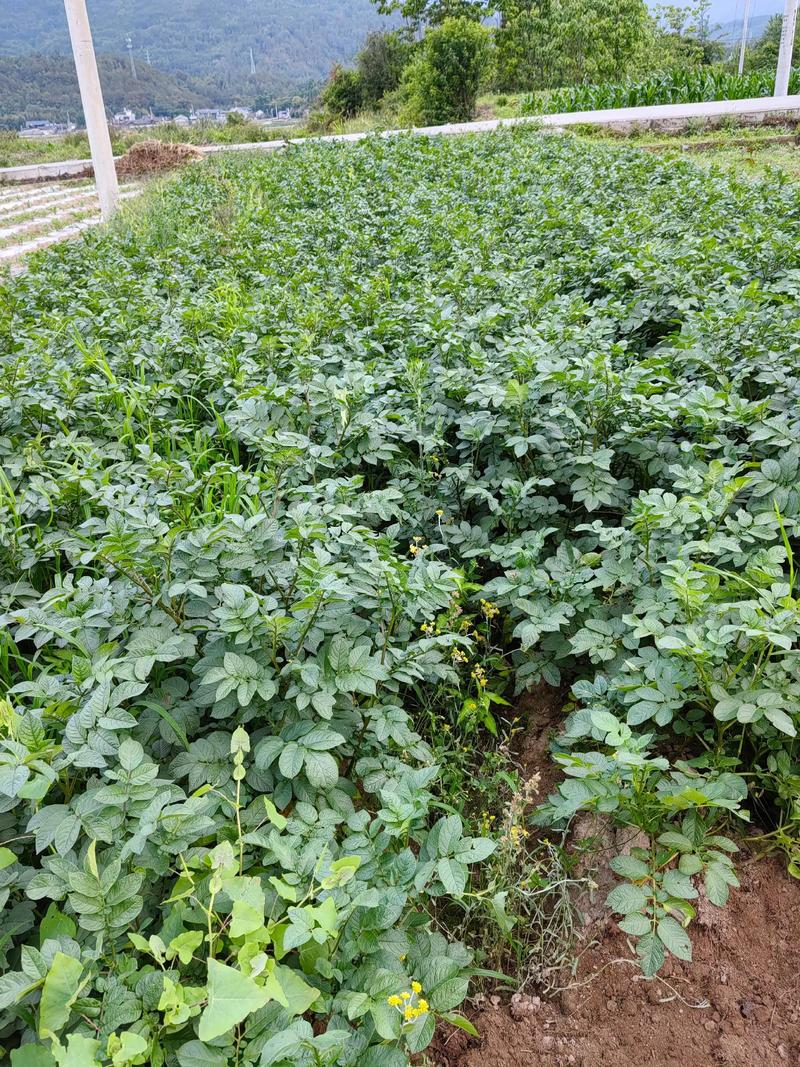
The first one took place at the beginning of the expansion of the top of the braid in the current period, preventing the squirt from moving out of the ground into a new branch, three to four cm thick. The second is carried out at the beginning of the flowering season, and the next leaf is not buried. The third would take place in late october, when the potatoes entered the tubing season, which was thicker, with both sides of the platinum being prepared to protect the tubers, prevent their exposure to the ground and cause frost。
Iii. Integrated management of fall potato pests
In the early stages of the disease, and even in the pre-disease period, the control of the potato disease is carried out with a pharmacological spray of leaf spray, which is balanced and can be effective. The fall potato season is characterized by more rainfall and disease。
3. 1 pest control
Serious pests that endanger potatoes are aphids and groundworms。
It is essential that aphids be detected early and administered in a timely manner; otherwise, aphids not only endanger the plant but also transmit a variety of viruses that make it more susceptible to viral infections. Aphids can be treated with a combination of accelerants, such as a bag of 8 grams of accelerant powder per acre to approximately 14 kg of water (i. E., one sprayer water) and evenly sprayed on the back of the leaf, with good control。
Underground pests, such as thorium and tigers, can be treated with 90% crystal trichlorfon 150 g or 50% thion phosphorus cream 100 g per acre, 20 kg of fine soil mixed with thin water and mixed into toxic soil, which can be evened into the sown ditch at seeding, and 1 kg of fine soil per acre with easy to kill powder。
3. 2 disease prevention
The main diseases that afflict potatoes include early disease, late disease, death and cyclic disease。
Early and late disease is a fungal disease, which can be combated by 70 per cent of dysen manganese zinc or 75 per cent of the bacterial zinc or 64 per cent of the venomable powder 500 times the humid agent, usually by one application of 7-10 days and two or three successive sprayings
Evening diseases can be treated with respiratory or mercantile manganese zinc, generally preventing a night disease with 25 per cent remoxine 500-800 times liquid after the onset of the rheumatism, and with another 2-3 times mercuric manganese zinc 800-1,000 times liquid spraying to prevent a night disease at intervals of 7-10 days after the flowering period. In the event of a severe field night disease that causes some of the leaves to die, part of the field may be cut earlier (after cutting off the surface part of the ground, it can be harvested in a few days before the plume is formed) in order to prevent the spread of the disease to the plume。
Decay is a bacterial disease, which can cause the whole plant to die of decay in serious cases; no effective medication has yet been found to combat it, mainly in agriculture, such as the strict selection of potatoes, rotational cropping, and deep ditch high-level cultivation。
Circumplasia is also a bacterial disease, often dying from atrophy on the upper part of the sensory field, which can be confused with ailments, with brown wirings on the side of its troughs and troughs, which, if squeezed, can see out of bacterial sepsis; the method of prevention is strict use of non-pathological potatoes, which can sow the whole potato。
Iv. Frozen potato cream prevention in the autumn
Watch the weather. Before the fall of the frost, water is poured in time or piled with weeds, straws, dead leaves, etc. In the upper wind, or an arch shelter is built to effectively disperse the cold, prevent the frost from freezing。
V. Enough access
Potato harvests during biological maturity. The signs of biological maturity are:
The colour of the leaf is gradually yellowened from green to yellow, at which point the nutrients in the leaves are virtually stopped from being transported to the tubers
(b) two umbilical cords are easily separated from the living penis and are separated from the penis without having to pull or pull
Three of these are more resilient, thicker cortex and normal colour。
Early and freshly cooked foods, such as faureta, potato 5 and east farmer 303, are usually available for sale about 60 days after their seeding. The harvests should be made in the clear weather, with the ease of digging and the ease of claying the chips, on the one hand, and the low water content of the chips, on the other hand, to facilitate storage. The post-harvest chips should be moderately wet on the surface of the sun, removed from the soil on the skin in a timely manner and removed chips such as rotten potatoes, sick and dangerous potatoes, mechanical damage to potatoes, green and deformed potatoes, and impurities。
In order to prolong the long-lived and accumulated nutrients of the autumn, the harvest should be duly delayed until the frost has fully sown the floor and the weather harvest has been chosen. These are the details of the methods and management techniques used to plant the potato in the autumn。