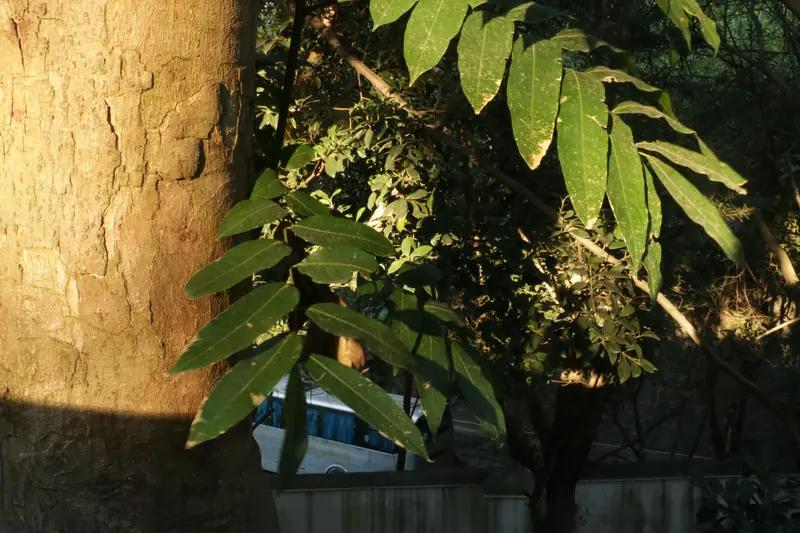
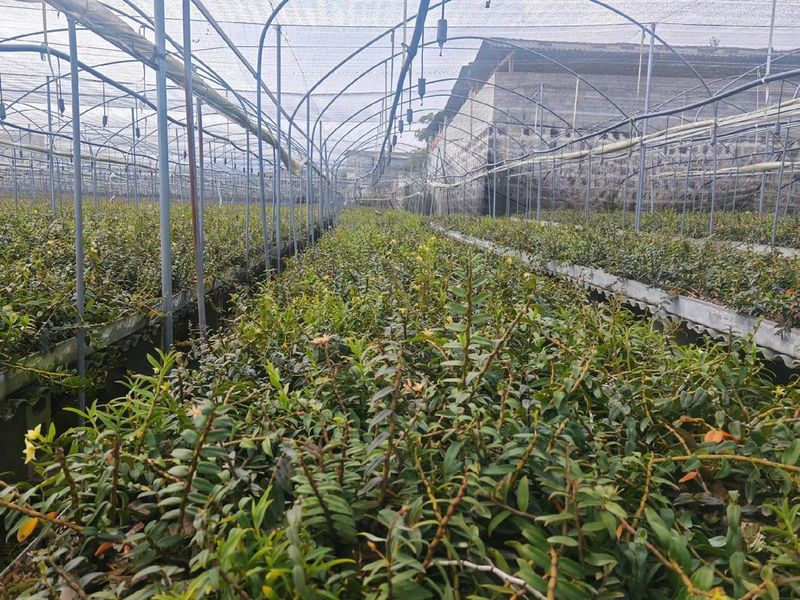
In hainan's fragrance garden, the growers are holding tools to purge the fragrance trees, and the small side branches are cut down, leaving only a straight backbone. This appears to be an ordinary move, with two layers of critical logic hidden in the fragrance — to deal with the test of the typhoon sky, and to place an ambush of more fragrance。
In hainan, there are six to seven typhoons a year, and the wind blows out, and the more branches, the larger the area of the tree, it's like opening an unearthed umbrella, and it's easy for the wind to flip or blow. Cutting the side branches is tantamount to “defeating” the trunk, reducing the resistance of the wind and making the tree more stable in the storm. This is the experience of the hainan planters for several generations — fighting the wind to wait until the day of the fragrance。
More importantly, cutting the side branches is “direction” for the fragrance. The fragrance is never random, and the main stem is like a “culture hub” of a tree. Once it is injured, all nutrients are concentrated to repair the wound, and the fragrances are so dense and oily that they are cut out that they pile up like five flowers of meat, and they start to cool, and the mid-twirl of milk, and the end of the fragrance is so rich that the layer is like a hand-drinking coffee; the small wound of the side branch is like a “diversion tube” and can only see the oil, and when it burns, the fragrance is so bright that it is called a fast-food perfume. If you leave a small section of the side branches, the fragrance of the place will be called twig; and in the end, the fragrance formed is a scar. Again, the former is far more dense and rhymeable than the latter。
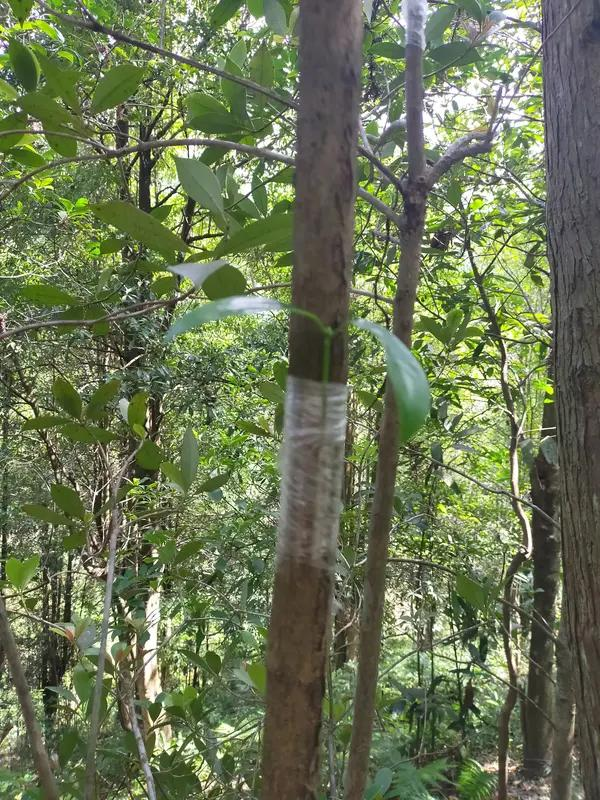
The old shannon understood that aroma was a “natural conspiracy”. Thirty years of tree age is the ticket to a fragrance, and the main dry wound will have to be repaired for over a decade, combined with the wet and hot environment of the sea (90 per cent wetness during the rainy season, temperature up and down at 30°c per year, which is like a soup for over a decade of the aroma) and the plum acid from the fermented fermentation in the soil. Even with technology, the small fragrances of the side branches lack the “random” of the main fragrances - the complexity of those years, typhoons, fungi combined。
Again, the fragrance tree was born with the backbone as its centrepiece. Cutting the side branches allows the top leaves to fully accept the sun and turn starch into aromatic alcohol — the core ingredient of the smell. The extra side branches will divide the master's dry nutrients, which will then grow stronger, and when the fragrance is later condensed, the nutrients will all go to the wound piles, with thicker fragrances. Like hainan's white wood fragrance, 18, although the side branches are larger, by cutting controls, both ensure the strength of the tree and concentrate its nutrients, which are 31 per cent faster than the normal white wood fragrance, and maintain the pure and clean fragrance of the sea nam fragrance fragrance - sweetness, high level, and the ethanol extraction content is 2. 59 times higher than that of the 2020 edition。
The growers are also involved in cutting: autumn is the best, don't wait until winter, and the bark is removed with a professional knife. Every knife is not a cut, it's a "co-operation" with nature -- it's about putting the trees through the typhoon and saving them. On the backbone, after more than a decade, a “time flower” of the fragrance. Now look at the cutting scenes in the garden, the side branches that fall on the ground, not the scraps, are a cushion for the good fragrance — after all, the fragrance has always been the “years in the trunk” rather than the “food on the side branches”。
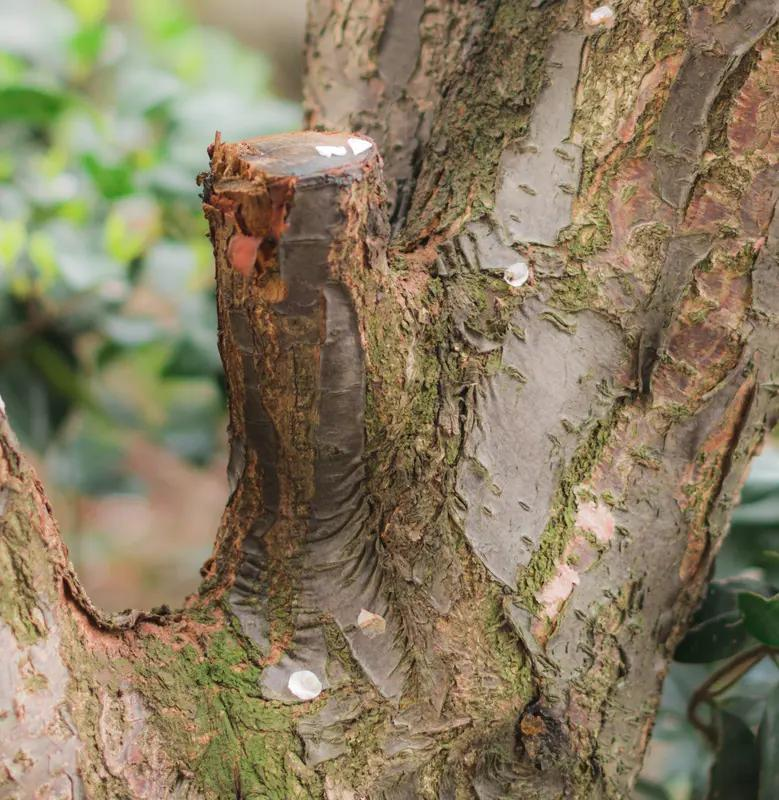
The wind is still blowing in the garden, and the smelting trees are standing straight and the sun is spilling through the leaves into the trunk. The wind is already fragrant fragrance — it's a trim tree, squeezing for the future。