From 16 july to 24 august
Guangdong enters a 40-day three-volt sky
The summer cooking mode of guangdong has begun
High-temperature droughts can lead to poor crop growth, high-temperature burns, damaged yields, reduced quality, etc. We have arranged for high-temperature agricultural production strategies for you, and farmers' friends are coming to collect them。
I. Cultivation
Rice
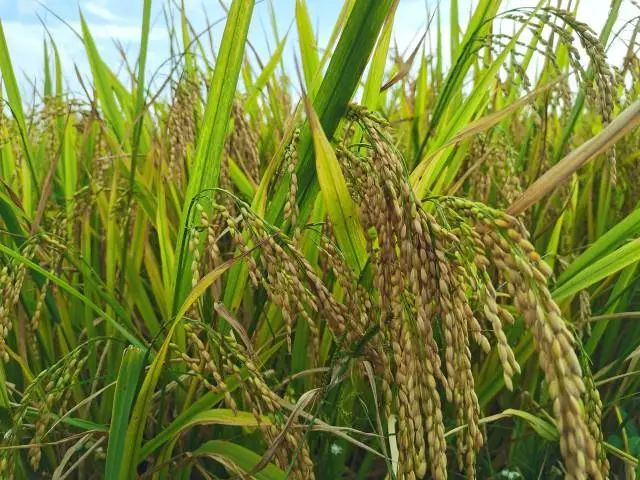
1. Pay attention to the management of the water so that, when the number of seedlings arrives, the fields are held in hold, the fields are set up in the same manner as the pony water, so as to prevent them from becoming roasted fields, and if the fields are overstretched, they must be brought into the water in time。
2. Defabrication, treatment against disease, choice of medicine, quantity of water, and use of medicine in the evening。
3. Fertilizers, if applied, must be free of the sticky leaves and cut off the tip of the leaves and bring the water to fertilize them, otherwise they are more susceptible to fattening. In high-wet hot sun, leaves fade and use of fertilizers is controlled, especially with strict control over the application of relay fertilizer。
(ii) vegetables
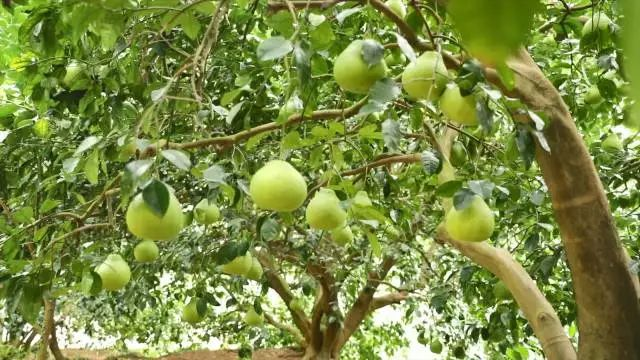
1. Selection of heat-resistant and disease-resistant vegetable varieties for cultivation。
2. Reduce the temperature of the shed by opening the vents of the shed for day and night ventilation at high temperatures; in clear and high temperatures, light-shield cooling can be used in the form of black sunnets, shampoo sprayed with cold paints or slurry; and sunnets can be opened on rainy days, mornings and evenings and three to five days before agricultural products are marketed。
3. Keep the soil wet and watered in due course, with the option to avoid noon in the morning. Water-saving techniques such as drip irrigation and the integration of water fertilizers, such as water-saving techniques, are best used for water-saving purposes。
(iii) pesticides
1. Beware of the timing and weather of the application by 9 a. M. Or after 5 p. M., and refrain from applying before or after noon, which is inappropriate for wind level 3 and above or rainy weather。
2. Eliminate over-scope, over-dose, reduce the frequency of pesticide use, comply with safe interval application and increase the level of safety in the use of fresh agricultural pesticides such as “three vegetables”. Applicators need to have knowledge of safe medicines, personal protection and cleaning。
3. The selection of high-efficiency, low-toxic residuals and high-precision application machines for local adaptations minimizes human back machine application. Uavs are used to ensure flight safety, application safety and response to prevent the diversion of fluids. Specialized pest control services can be selected for pest control。
Ii. Aquaculture
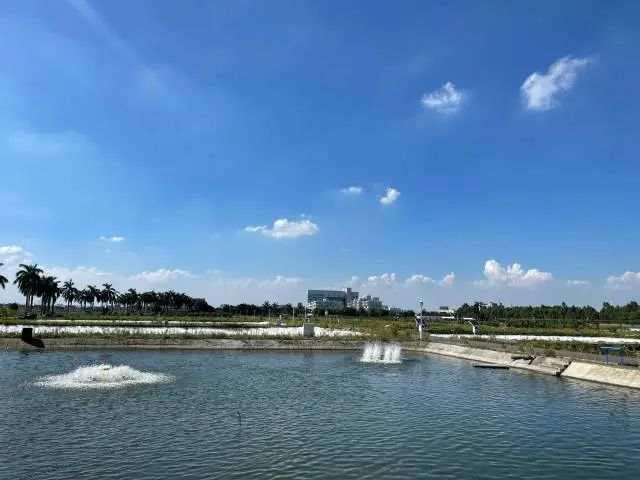
Improved water levels, as appropriate. Farming ponds are recommended to be at a depth of 1. 5-2 metres, providing suitable summer space for fish, and adding water when appropriate to supplement high temperature evaporation。
2. Timely weed harvesting. The ilybean grass grown in the farm ponds is intolerant of the heat and prone to the rise of its roots. When the water is not surfaced, it must be cut in time from 10 to 15 cm above the water surface, typically 15 cm from the head of the water and 20 to 40 cm high after the cutting. The floating waterweeds must be recovered in time to avoid oxygen use in bad water。
3. Maintain sufficient soluble oxygen. It is proposed to combine aerobic and micro-polytheaerobic power of at least 0. 3 kilowatts per acre. High-temperature barometers were opened at noon until 5 p. M., with special attention to oxygen enhancement between early morning and sunrise, maintaining soluble oxygen above 5 mg/l。
4. Reasonable feeding. The principle of “four-sum” feeding is upheld. The first meal is fed one hour after sunrise and the fourth meal is fed one hour before sunset. The “eight-point-saturation” approach to feeding is appropriate for one hour of fish consumption。
5. Strengthening water quality regulation. Water transparency is maintained at 30-40 cm and ph values are stable at 6. 5-8. It is recommended that substrates be regularly spilled with bottom improvement agents, bacterium molluscs or photo-bacterial fluids to reduce the organic content, ammonia and nitrites in water and to maintain the water body “deplete, live, edium, cool”。
6 - disease control. In high-temperature weather, diseases such as bacterial, viral and parasitic diseases are frequent, and substances such as chlorine dioxide, dibromothylene, bleaching or lime can be periodically sprayed for water sterilisation, once every 15-20 days, maintaining ecological breeding and effectively preventing disease。
Iii. Livestock
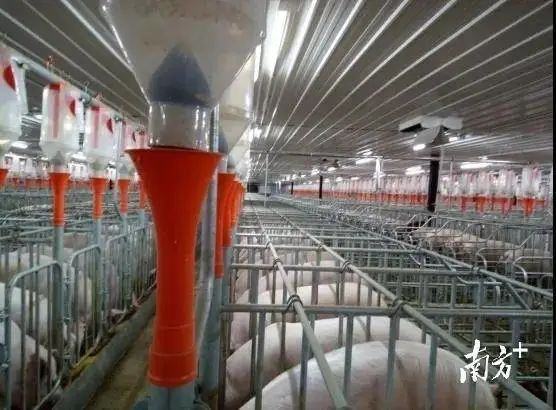
1. Appropriately adjust the daily food formula to change the feeding pattern. A reduction in animal extraction should be accompanied by an appropriate increase in the protein concentration of feed, by the addition of some accelerator (cows with small soda), a good mouthful of green stocking, wet mix to increase animal appetite, and a preference for fresh, juicy sweet food for raw pigs, which is recommended for early and late feeding。
2. Guarantee normal water and electricity and cooling scientific ventilation. Water-air conditioners, wet curtains are to be kept in operation, and water tanks are to be shaded and insulated to ensure that animals are able to drink clean and cool water at all times to help reduce body temperature. Medicines such as vitamin c, multi-dimensional electrolyte, 10 drops of water, fragrance and aerobics can be added to increase the effectiveness of summer cooling。
3. Add summer cooling drugs and produce yeast to regulate the stock balance of the farm. The addition of anti-summer herbs such as wood husks, gagans, fish herbs and ground root in feed or drinking water can effectively mitigate or reduce adverse effects。
Reduce the density of the stockbreeding and work on the insulation of the wall. Insulated materials, such as shade-covered nets, can also be used to cover up or around the fences to reduce sunlight for cooling purposes。
5. Emergency response. If heat is detected in animals, cooling is done in a timely manner and should be treated for serious symptoms。