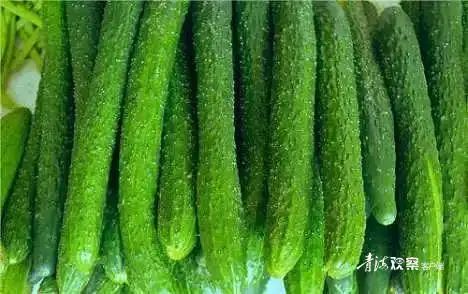
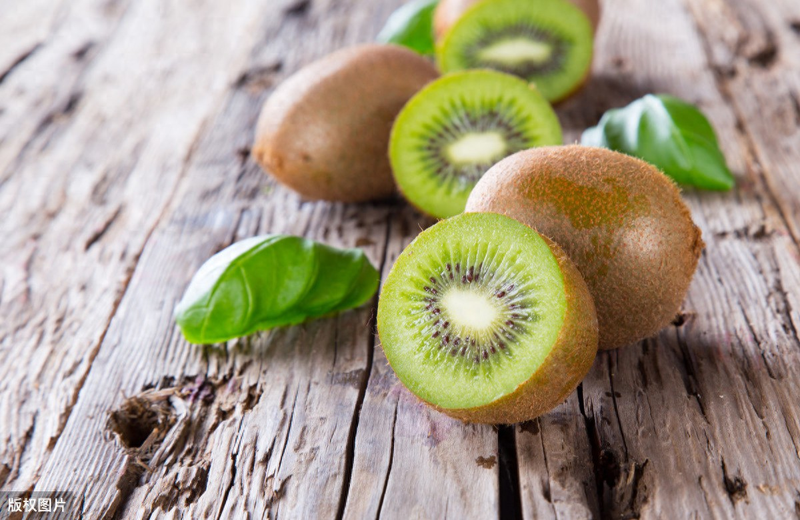
The monkeys, because of their high nutritional value and delicious and healthy stomach spleen, are well adapted to the environment and productive when planted. The study on techniques for managing the cultivation of monkeys is based on a more detailed description of the selection, establishment, fertilization and trimming of the fields。
1. Selection of the monkey garden
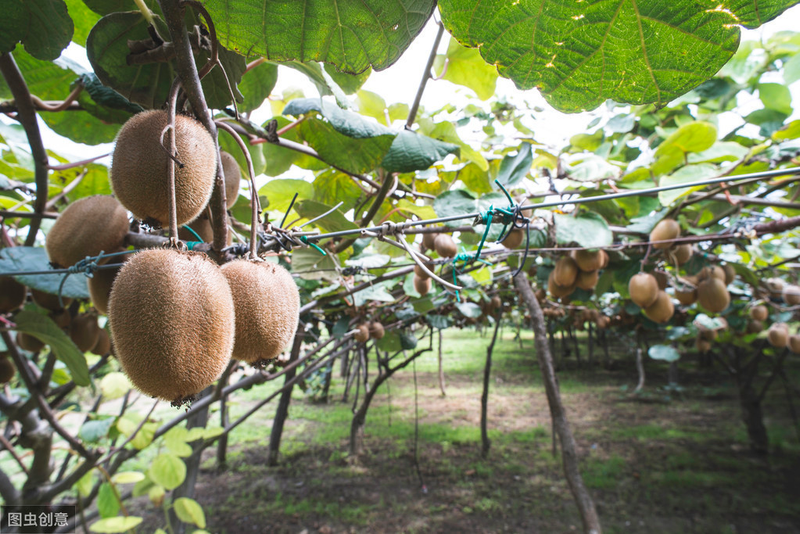
In selecting plantations for the monkeys, which prefer a cool, wet environment, fear of wind and water and are less drought-resistant, it is necessary to select the plains of the north wind and the hilly areas, with the land being of suitable quality and rich in decay. In addition, there is a need for adequate drainage facilities, which must not be allowed to accumulate。
In order to create the highest-quality soil conditions for the growth of the monkeys, it is first necessary to carry out soil retrofitting and to dig ditches before filling fertilizer and back-filling the soil. In the case of areas that are easier to generate water, it is important to dig drainage channels. In the case of the construction of a monkey plantation on the mountain, it is also necessary to dig up a draining channel around the mountain, thus preventing drought or disasters such as flooding from disrupting the normal growth of the monkey。
2. Set-up
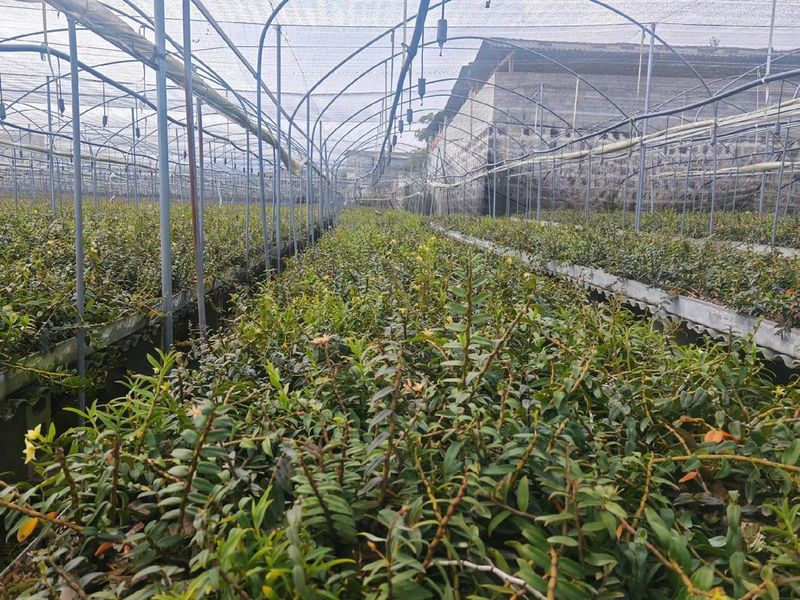
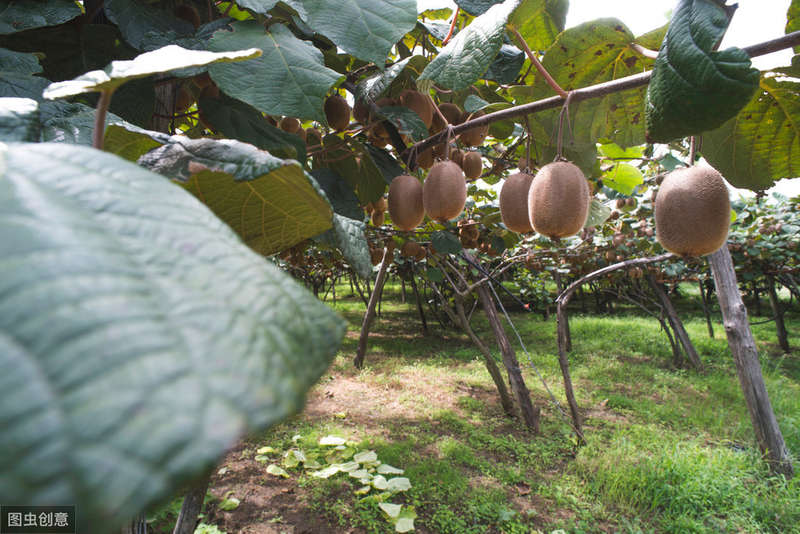
In the case of monkey cultivation, there is a need to select healthy trees, usually eight to one or six to one for females, and in the case of monkey planting, hand-lifting is needed to correct the trees and then add some fine soil to the ditches, while the soil is being filled, there is a need for constant shaking of the trees up so that the roots of the seedlings of the monkeys can spread fully in the soil. When planting is over, proper water will need to be poured into the ditch, and the seedlings of the monkeys will not be allowed to interact directly with uncorrupted fertilizers to prevent damage to their roots. The depth of planting should ensure that the roots and the ground are even after the seedlings of the monkeys have been planted. After planting, it is necessary to build a shed for it, which is usually a bridge-type tunnel-type. It can also use a t-type, etc。
3. Water and fertilizer
The growth of the monkeys is dependent on the availability of water and fertility, as well as on the large quantities that are required, so it is important that the management of the cultivation of the monkeys be properly managed。
There are two key ways of applying fertilizers, one based on fertilizing and the other on the pursuit of fertilizing: normally, the fertilizing of fertilizers is when the gills are dormant after they are harvested. During this period, the application of fertilizers should be carried out earlier, thus increasing the efficiency of the absorption of fertilizers by the root plant of the chrysanthemum; demersal fertilizers are usually used in human and animal dung or organic fertilizers such as pie fats, along with the appropriate allocation of nitrogen and phosphorus fertilizer, which is determined by the growth of the plant. Most of the time, the grown-up plant is in the range of 50 to 80 kg of organic fertilizer per application per plant, and the under-age nut nut tree is about 25 kg per application。
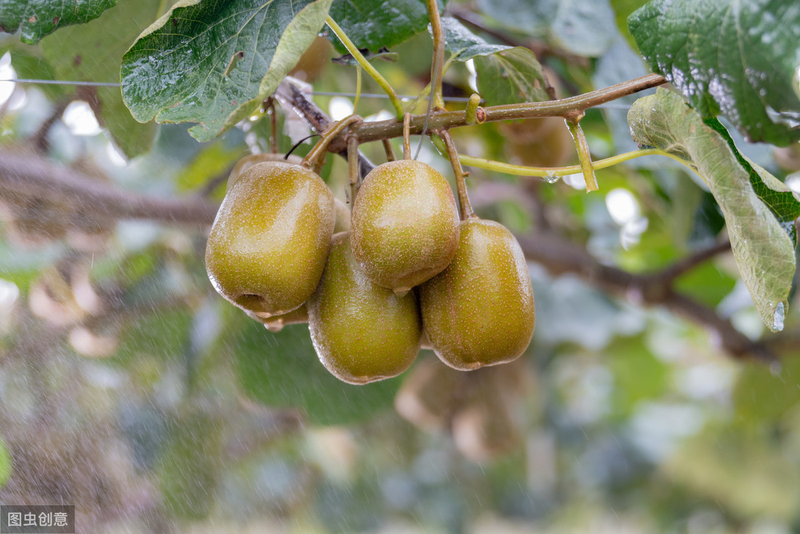
This is the first time in the world, and it's the first time in the world. Prior to the bud, urea can be applied with compound urea, with urea used between 250 and 500 grams per nut nut and 500 grams of urea. Fertilizers during periods of fertilisation of fruits are suitable for use after rain, ranging from 250 to 500 grams per combination of fertilizer, which can be watered and combined with the removal of weeds and pine soil, thereby increasing the efficiency of the poaching of fertilizers by the berries. At the same time, the relatively high demand for water content in the soil by the kiwi fruit tree should be accompanied by the construction of drainage channels, which can effectively prevent droughts and floods。
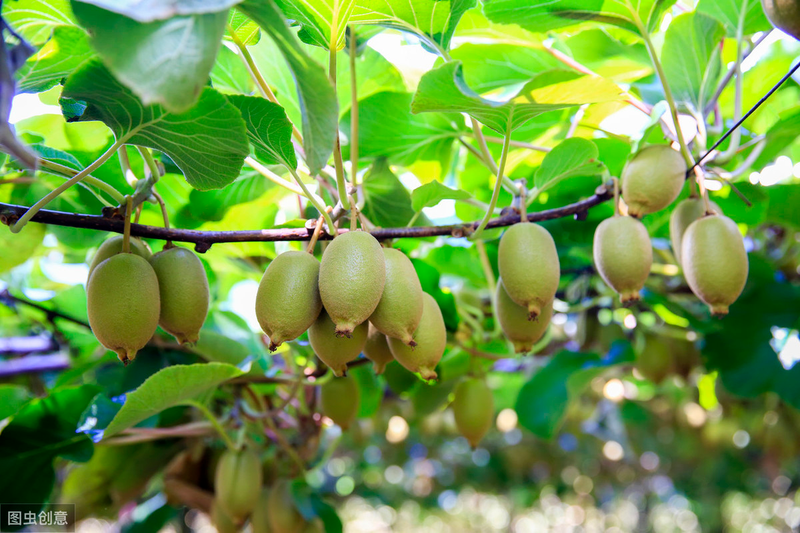
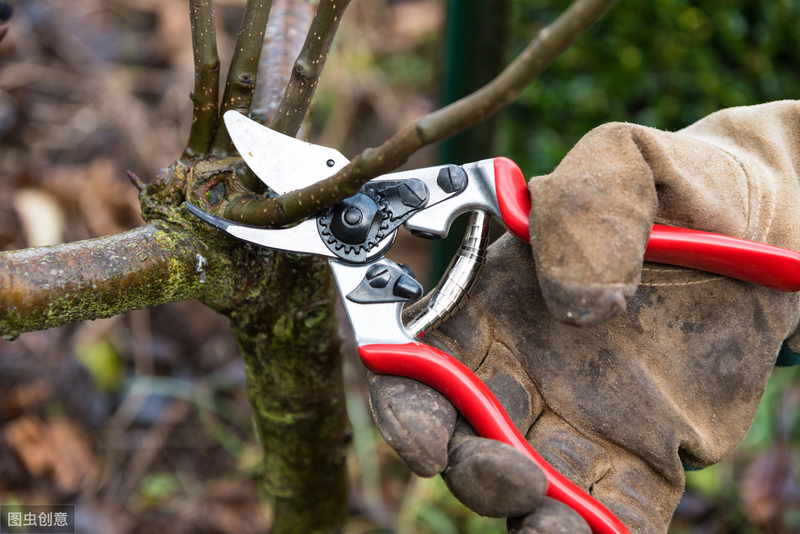
In the first year following the completion of the chrysanthemum plant, the tree needs to be left with four or five full sprouts at its matrimony position before it reaches the end of the sapling period, and the rest of the new sprouts are removed and a stronger new tree is chosen as the backbone. At a time when the new steps rise to a distance of only 10 centimetres from the surface of the shed, the buds are removed and, after the new steps are re-emerged twice, two of the strongest new steps are kept as the masters, so that they spread in parallel on the large mantle. And when the cock grows to half its length, then its buds are removed from it here, so that it may grow. In late december to february of the following year, a trimonic exercise was required, during which six or seven buds were left in each of the branches. If there is a deformation, or a disease, and if the growth pattern is not perfect, the whole backbone needs to be removed, then the new backbone will be replanted and the older backbone will again be removed after the completion of the goals of the nuts。
5. Prevention and treatment of pests and diseases
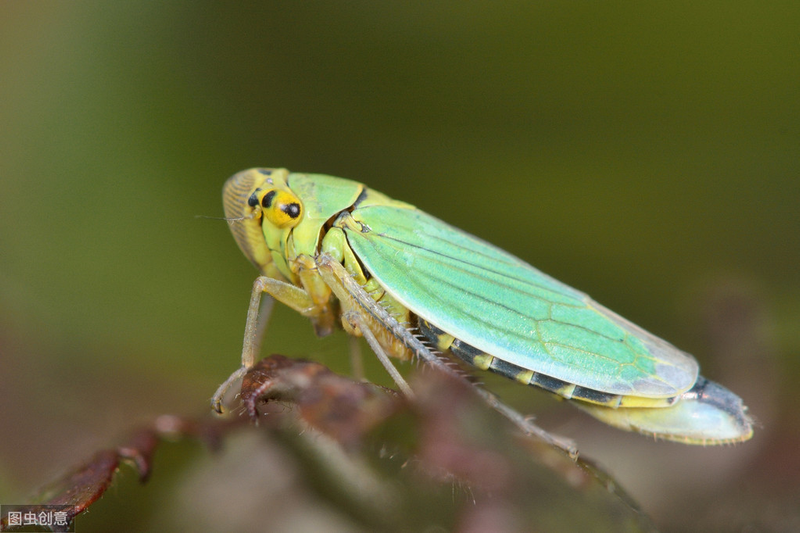
In general, the presence of pests and insects is not significant, but as the future expansion of the cultivation of monkeys and monkeys expands, it is important to strengthen the prevention of the disease. Most of the time, the pests of the monkeys include roach, chestnuts, ulcer, foliage and root moths, among others, and the key ways to prevent them are two: agricultural and chemical。
5. 1 agriculture control
With regard to disease control, the scientific configuration of plant density, with attention to drainage, the application of fertilization methods must be scientific and cyclical, so that the occurrence of pests and diseases can be significantly reduced. In addition to this, deep soil reclamation can be carried out during the winter, cleaning operations can be carried out on hidden pests, and the planting of trees can be followed by the use of pest-killing lamps。
5. 2 chemical control
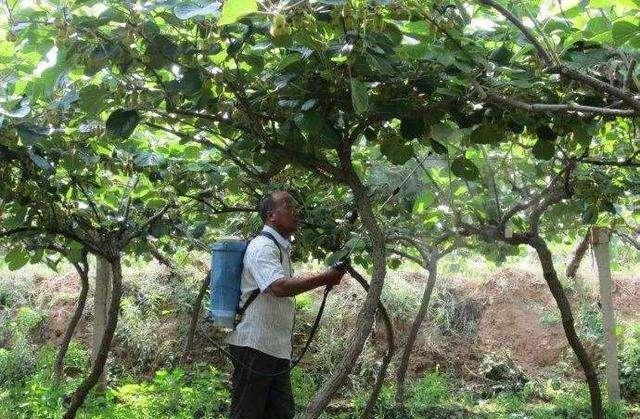
Depending on the onset of each disease and pest season, the use of relevant chemical control measures is one of the most efficient methods of preventing and controlling pests, which can be effectively eliminated if there is also an intensive spraying of fruit trees on the ground during the winter。
6. Timely collection
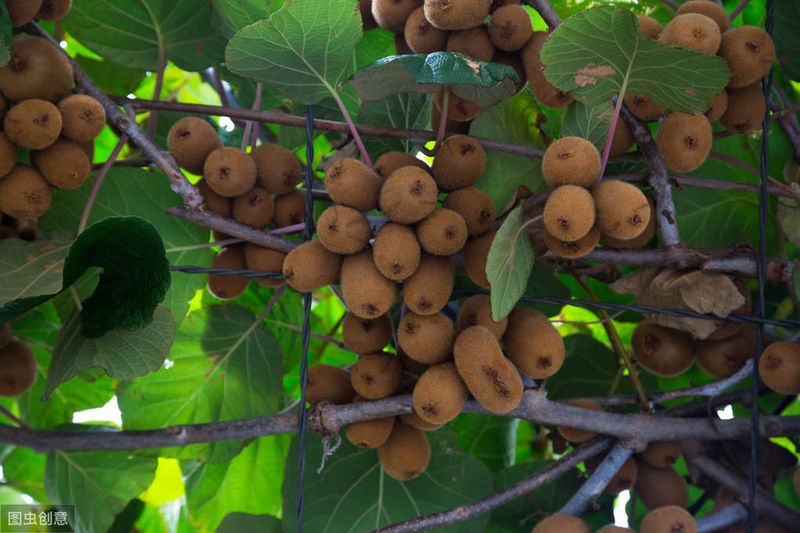
If the pick-up time is too early, it can cause some disruption to the quality of the monkeys and it is difficult to store them. If the harvest were too late, it would make the face of the monkey look bad, which would have a negative impact on prices and profits. It is therefore crucial to carefully control the timing of the pick-up of monkeys. In general, the most appropriate extraction time for gills is when their soluble solids reach 8 per cent, and in order to prevent damage to gills or decomposition at the time of harvesting or storage, they can be sprayed before the gills are extracted. In addition to this, when picking monkeys, do not choose in the rainy weather。
Concluding remarks
In the light of the above, a more detailed study of the management methods used for the cultivation of the monkeys, whose quality can be effectively controlled with the use of scientific methods。