The raisins are very popular because they are very sweet, and they look red and purple and they look delicious. It's often sold very well last season. So how did you grow such a delicious grape? Come down here and tell everyone
The fertilizing technique of giant grapes
1. Base fat. Each year, in mid-september, the ditch is opened at a depth of 0. 7 metres by 0. 5 metres, and then fertilized farmers are fed 5,000 kg/acres into the ditch, with a compound fat of 20 kg。
2. Fertilizers: 20kg/acre co-fertilized 20 kg/acre after the first grape rises, phosphorus, potassium, 15 per cent of each of them, contributing to the continued differentiation and budding of flowers, contributing to new growth, 25kg/acre co-fertilizers, 25 kg/acre before the second flowering week, promoting the rapid expansion of oars and matching the size of the fruit grains, and, third, at the beginning of the chromatography with phosphorous, potassium, adding a small amount of fast-solar nitrogen at the beginning of the chrysophos, potassium, and urea 20 kg/acre for the third time, 1kg/acre for the fourth time when the fruit starts to soften, 1kg/acre for the sulphurate, promoting the second growth and full colouring of the fruit, increasing the sugar content, facilitating storage, and allowing for the fifth harvest to be combined with fertilizer in the autumn, increasing tree nutrition and increasing the capacity of the tree for winter。
Three. Leaf is fat. Five times a year, starting in mid-june, once a month, with the first two urea sprays, followed by 350 times the third potassium phosphate spray。
The winter cutting technique of the giant raisins
1. Protection of cutting buds: cuts at 3 to 4 cm on cutting buds and, if short, in the first section of cutting buds. Cuts should be smooth, so as to prevent break-ups, so as not to affect the onset of buds。
2. Short branches are removed from the base when they are grown: small branches may be removed from the base and, when they are grown, short stakes shall be removed in the following year. At the same time, the cuts were avoided so as not to affect the fluidization of the tissue。
3. Avoiding verbal injuries: in the case of wiring on the main chicken, every effort shall be made to avoid causing the injury。
4. Reasonable determination of the length of the cut: the length of the cut must be sufficiently mature, the space is available and the chicken should be kept sufficiently long to fill the surface as soon as possible. A medium-long, mediocre or weak plant should be used as a medium-sized cut, and a medium- and short-sized cut should be used for varieties with high growth rates。
• update of branches: if a single branch is updated, the winter cut is a short cut for the resulting parent branch, with no provision for the branches. In the following year, in the new branch of the outcome branch, the upper part is the result, the lower part is out of line to prepare the branches, the resulting branch is removed during the winter cut, and the preparatory branch is trimmed with a short cut. If the branch is updated, each part of the result is left with a parent branch and one of the upper part of the preparatory branch, which is still trimmed by medium and long steps, with a short length of two to three stubbles left in the next branch。
Note the renewal of the branches over the years: for the chickens with a weaker front and a better outcome at the back, they shrink back to the strong ones; for the many years with a good front and a bald back, they are recasting the chickens and nurturing new plants; and for the weak ones. If there is an ability to achieve results, when the foundation is unwieldy, it can be accompanied by a short, vertically tied female branch to the chicken, helping to strengthen the chicken and balance the tree; if there is no capacity to produce the chicken over the years, it should be completely removed。
Great peak grape cult management
The gestation period, from the top of the grapes to the gestation period of not more than 10 days, was marked by a temperature of up to 9°c in mid-april of 20 cm thick soil, with a minimum temperature above 10°c and a gestation rate of over 80%. • management techniques: to go out in due course, not to go up early, to have premature roots that have not begun to grow, to grow in the ground at a later stage, to have an eye on the shelf, and to leave the ground from 10 to 15 april. Water should be pumped in time after the soil has been laid up, the chickens should be stretched straight on the shelf, and the water should be filled once, with the soil holding 70 per cent of the water。
The management of the precipice of the raisins
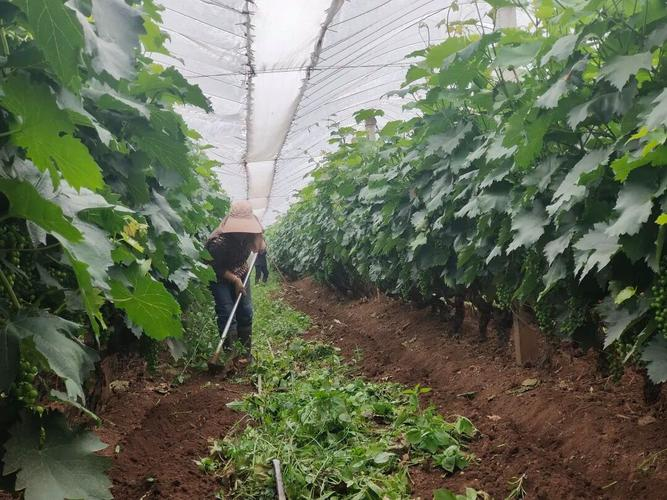
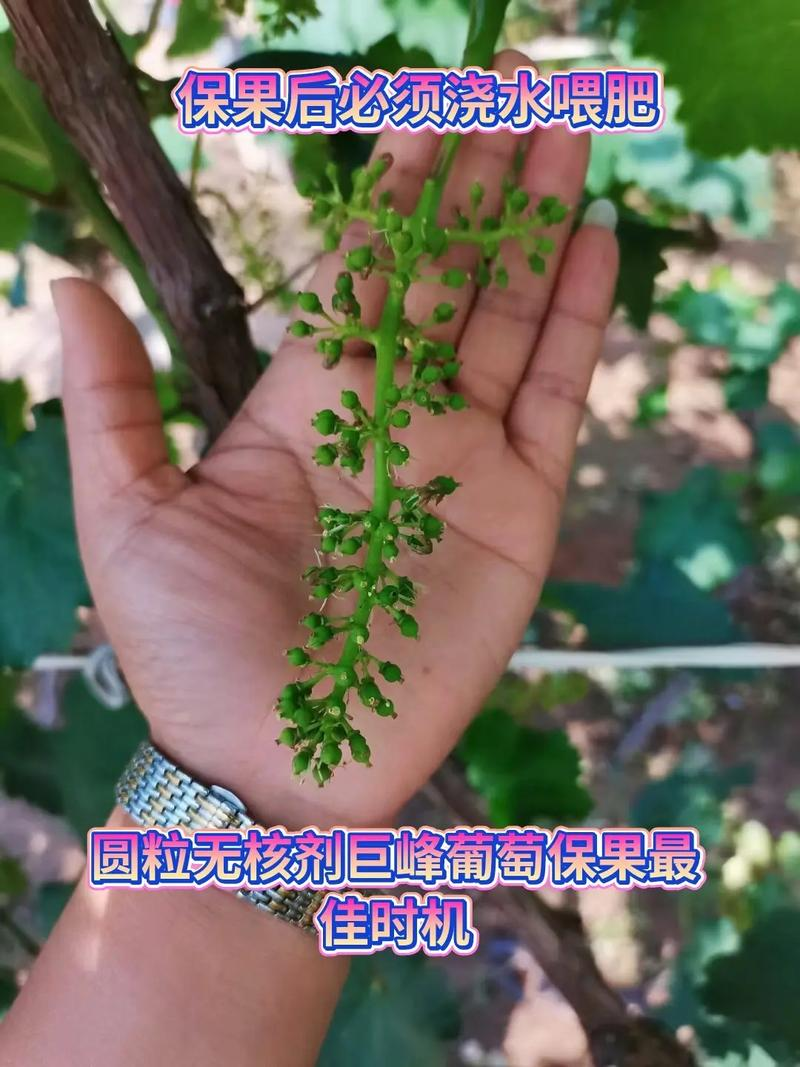
1. From the time of flowering until the fruit ceases to grow. It takes about 30 days. The fertilized embryos are divided by large numbers of cells, the number of cells is growing rapidly, and the young fruit is growing rapidly, requiring large amounts of nitrogen fattening and water。
The tree phase requires that the new tipping point grow rapidly. The colour of the leaves changed from light red to deep green. The size of the blade stays on the human hand。
3. Cultivation techniques: small waterwork. Every 5 to 6 days, the water is filled once with a wet ground of about 1 inch. Follow nitrogen fertilizer. Fat can be followed from the roots, with 0. 1 to 0. 3% urea sprayed with noodle. Rare nuts. It is guaranteed to grow in cylindrical form at more than 10 g in maturity and to grow around 0. 5 kg in the ear. In mid-june, we went to the mat. An eight-leaf new leaf was left on the surface, and the logical criterion was a 30 per cent luminous luminous surface。
We usually eat grapes, we used to use fertilization for so much attention. So it's hard to get every good fruit! Cultivating grapes is a good option, not only to make delicious raisins, but also to make wine, which is expected to yield good returns。