Hello, cabarets! I am your gardener, yuan zhui. Ten years in the garden, we're not gonna tell you anything, it's the least we can do
Today i'm hiding 10 kinds of "sliding-win" and i'm holding all my vegetables in my arms
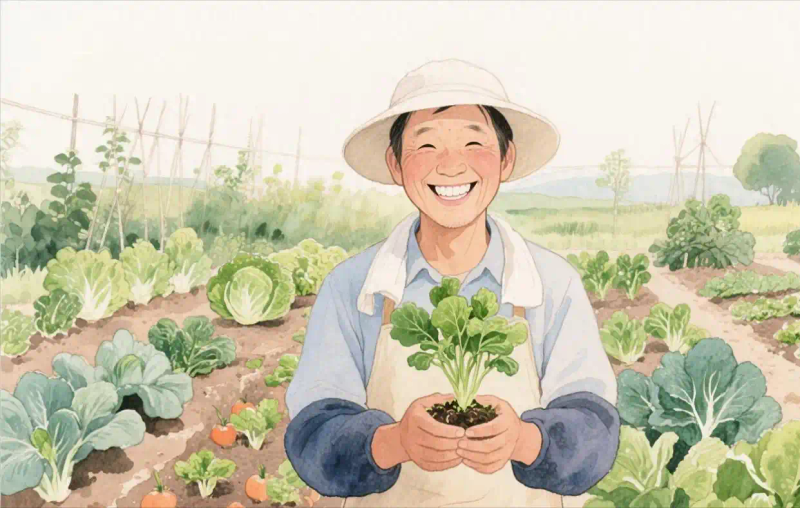
I. Preparation of lazy vegetable growing
(i) site selection is critical
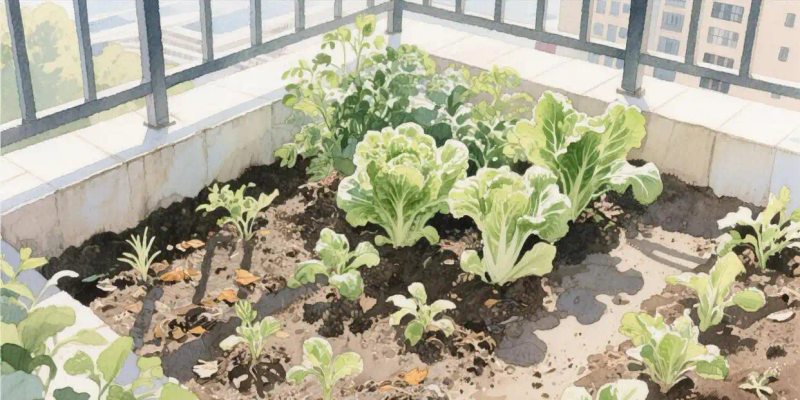
Let's grow lazy food. We don't have to do much work. In light, there must be at least four to six hours of direct light per day, like a balcony, a roof balcony, a yard corner. Soils can be mixed at a ratio of 5:3:2 in the case of fertile and well-drained soil, which can make the roots of vegetables better growing。
(ii) tools are simple enough
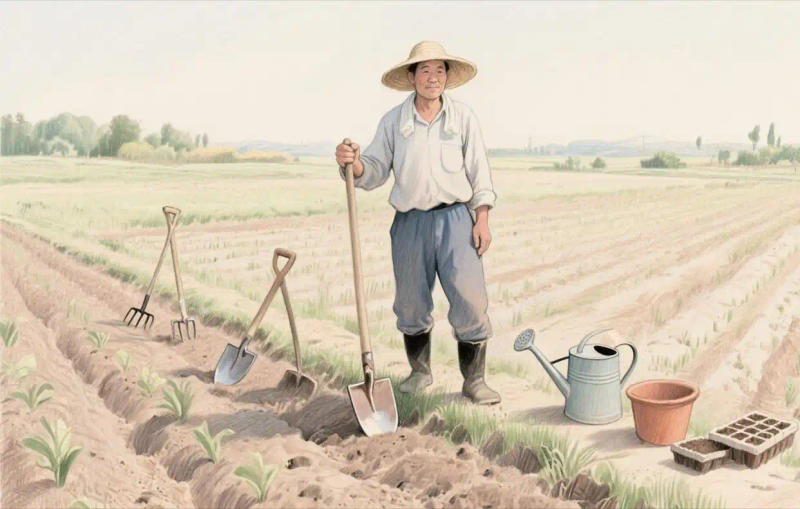
We don't have to buy a bunch of fancy tools. We'll just have to get our regular hoops, shovels, canteens, pots. Thrusts and shovels are used to wipe the land, weed, water canteens are used to refill vegetables, and seed basins are suitable for breeding。
Ii. 10 secrets for the cultivation of lazy vegetables
Lettuce: quick and easy, four seasons to grow
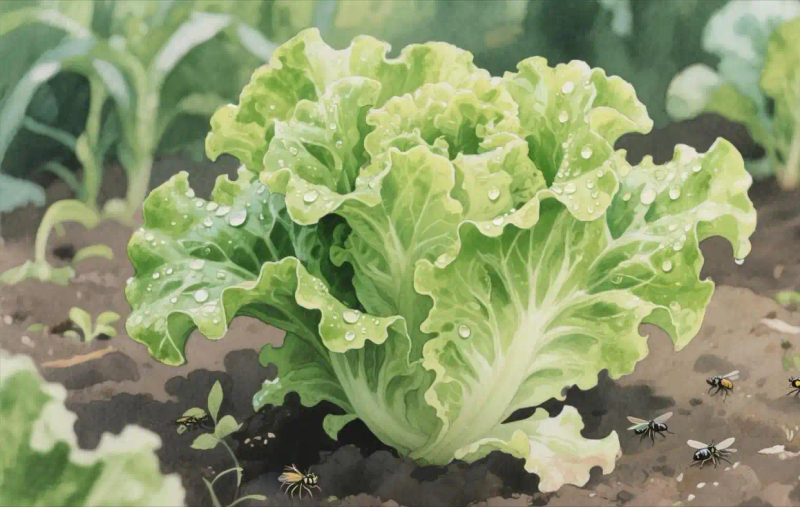
The lettuce is the "steve" in the latte. It's growing fast。
When seeding occurs, the seeds and sand are mixed evenly, spread over the soil surface, lightly cover a thin layer of soil, keep the soil moist and at temperatures of about 15-20°c, with three to five days to sow。
When a seedling grows three to four leaves, it can be planted in a vegetable garden with a distance of 10 to 15 centimetres。
During the growth of the lettuce, not much fertilizer is required, but a thin organic fertilizer is applied every 10 days or so, and the soil is usually humid and not dry。
Wheat gravy: hot and cold, management thick
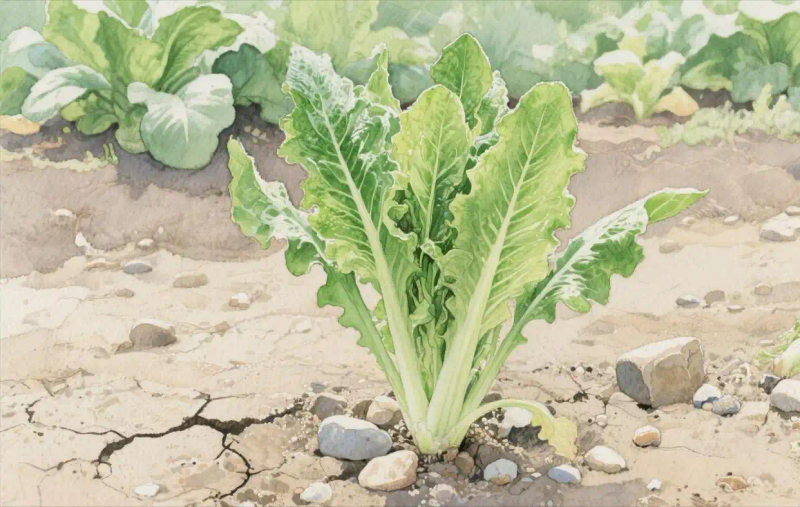
Wheat and lettuce are kind of alike, but they're softer。
The planting methods are similar to those of lettuce, and 7-10 days after planting。
It is very resilient to temperature and can grow well at 10-25°c。
In growing, care should be taken to ensure that weeding is done in a timely manner and that weeds and weeds are prevented from competing for nutrients。
When the plant is 20-30 centimetres high, it can be harvested, leaves from the base, leaves the roots and continues to grow。
Spinach: nutritionally abundant, planting
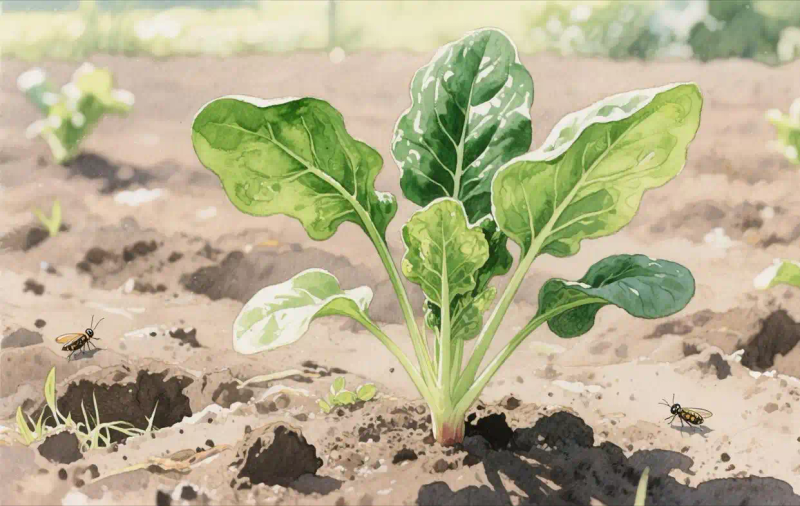
Spinach is rich in iron and vitamins and is particularly good。
Before seeding, seeds are immersed in warm water for 24 hours, then they are taken out and dry, and then they are distributed directly into the soil, covering a layer of soil around 1 cm。
Spinach likes a cool climate, and the most appropriate growth temperature is 15-20°c, and if the temperature is too high, it can be properly shaded。
After the seedlings are produced, the seedlings remain at a distance of 5-8 cm, allowing them to grow in sufficient space。
Rop: short cycles, full of achievements
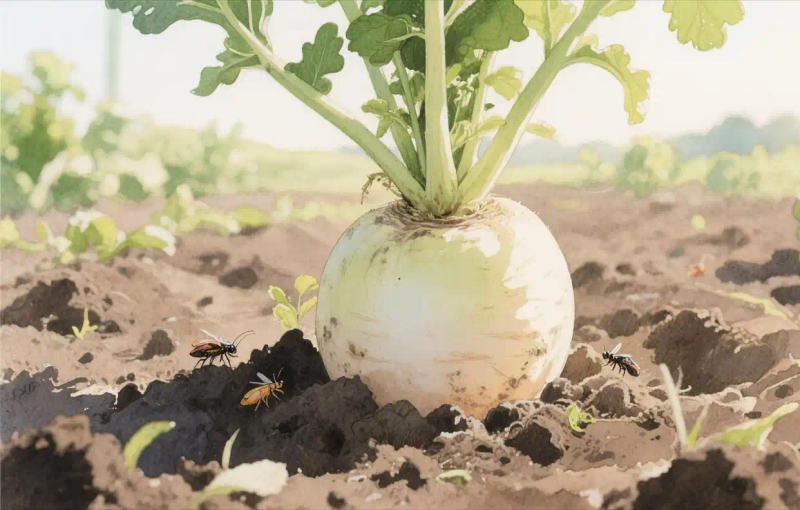
It's mostly about small varieties of cherry carrots and white carrots。
When seeding, two to three seed particles are placed in each of the caves, around 2 cm。
The radish is to be kept moist until it grows, and later it is to be slightly dry, thus facilitating its expansion。
When the radish comes out of the ground and it's fresh in colour, it's taken 40-50 days from seeding to harvest。
Paprika: one planting, many harvests
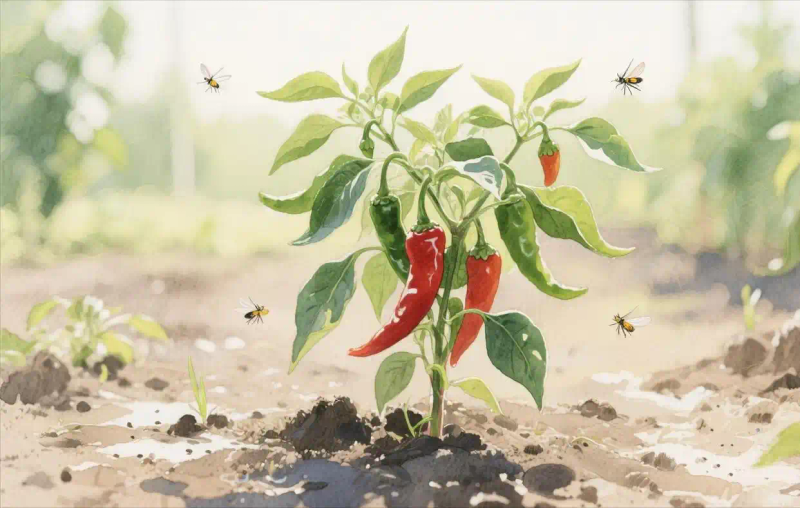
It's a little longer, but it's simple to manage。
The seedling can take place in the spring, at 25-30°c, about 7-10 days。
When a seedling grows five to six real leaves, it can be planted in a vegetable garden at a distance of 30 to 40 centimetres。
Paprika prefers a well-soiled environment, with timely water fertilization in the long run, dominated by phosphorus potassium fertilizers, to promote flowering results。
The peppers can be picked many times, one by one。
Cheese: drought-resistant and infertile, saving effort
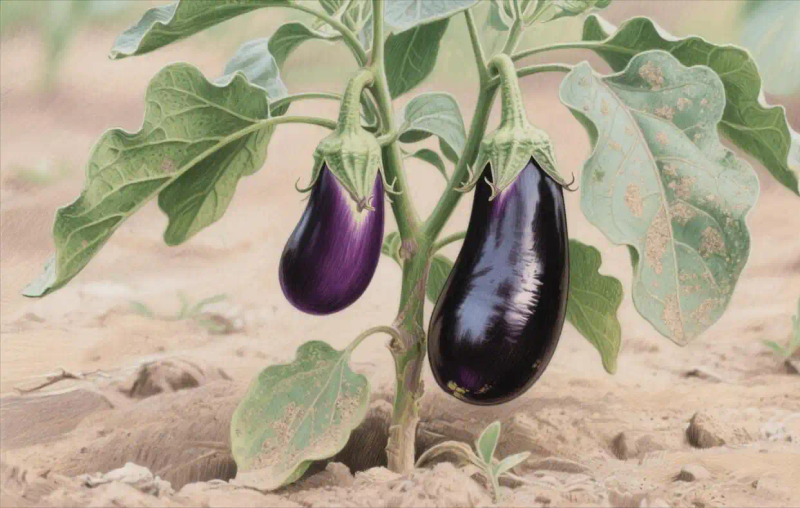
Cheese and pepper are more drought-resistant vegetables。
When planted, fertile soil is chosen and the soil is kept humid after sowing。
The eggplant seedlings grow slowly and grow at a distance of 40 to 50 centimetres when they reach about 30 centimetres。
In the long term, care must be taken to block the whole branch, to cut off the extra branch and to concentrate the nutrients on the main tuber and fruit。
When the eggplant matures, it is taken in time to promote new fruit growth。
Beans: crawling, managing
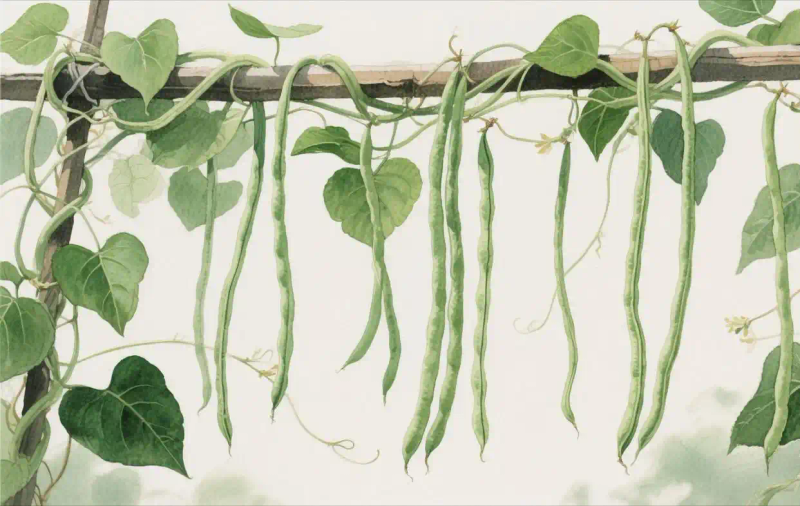
The beans can be built with a simple shelf to help them grow, so that they can be well ventilated and have fewer pests。
The seeding is placed directly in the soil, 3-4 seed grains per lair, approximately 3 cm。
When the bean sprouts, it sets up in time to guide the vines up。
Long-term life does not require too much water, so that the soil is micro-humid, and the flowering season allows for the proper application of some compound fertilizers to increase yields。
Pumpkin: roots are well developed and adaptable
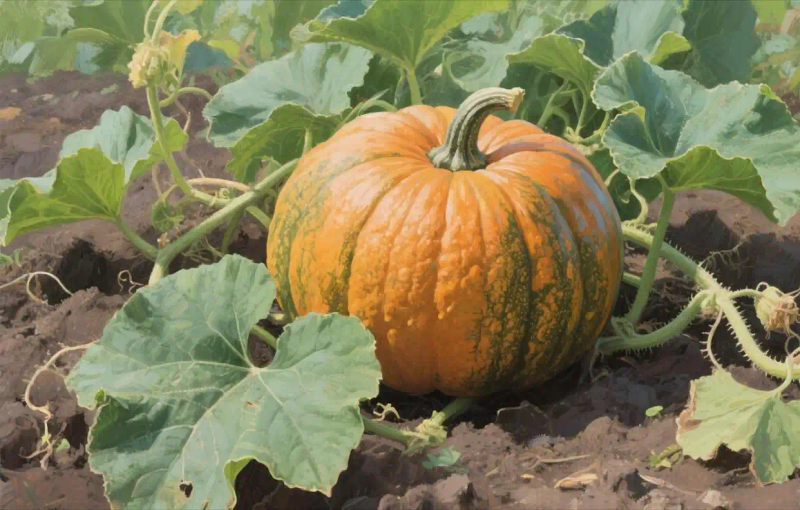
The root systems of pumpkins are highly developed, absorbing large amounts of moisture and nutrients from the soil, and are therefore particularly drought-resistant。
When sowing, choose a full seed, soak warm water for 4-6 hours, then sow it in the soil, with the soil 4-5 cm。
Pumpkin needs a large growth space with a distance of 1-1. 5 metres。
For a long period of time, the vines can be properly trimmed, the main chickens kept and the one-to-two chickens kept, and the pumpkins can produce larger and better fruits。
Zilong: high yield, easy to manage
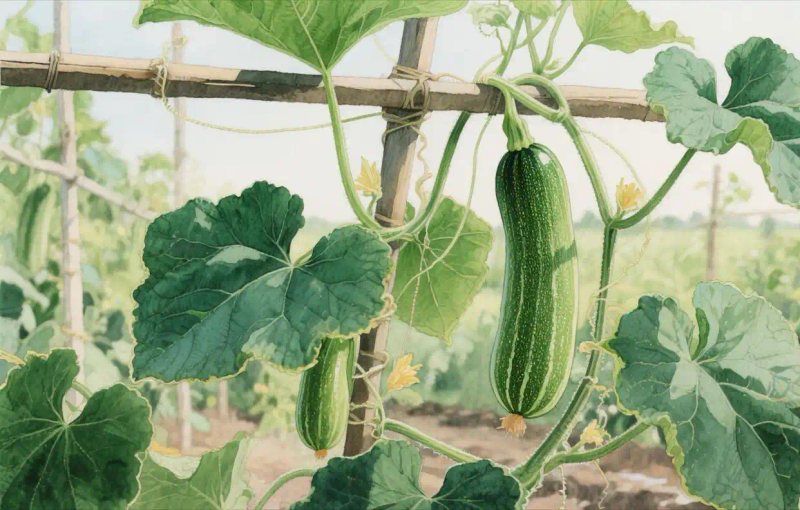
Nishi is typically lazy, growing fast and producing high。
After seeding, about 5-7 days of seedlings, the seedlings grow fast. When planted, 50-60 centimetres apart, ensuring sufficient space。
Nishizu prefers wet soil, but does not accumulate water, is fertilized every 15 days or so over the long term, is predominantly nitrogen-based, contributes to the growth of the leaf, increases the use of potassium phosphorus during flowering and increases the seating rate。
Vacuum: water and amphibious, spicy
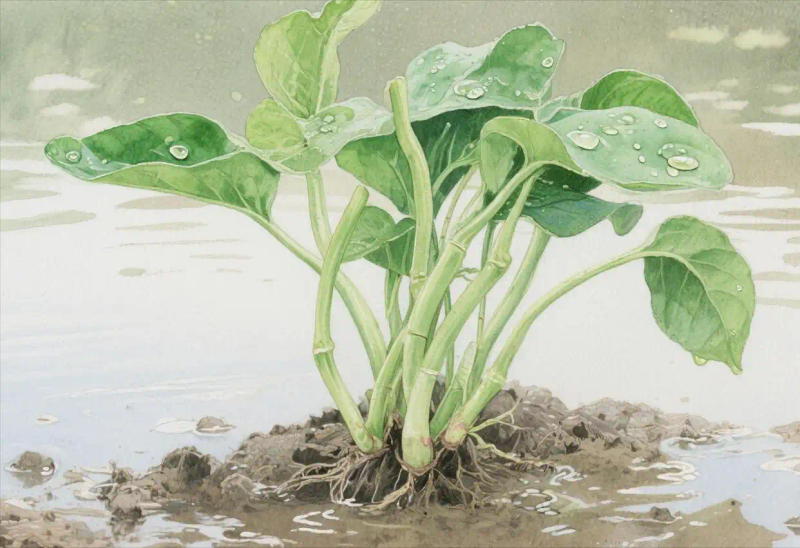
Empty cabbage is a "fighter" in lazy food, which can be grown in the soil or in the water fields, and is highly adaptable。
The seeding is distributed directly on the soil surface, covering a thin layer of soil, and if the soil is moist and temperature is appropriate, it can germinate 3-4 days。
During the growth of hollow cabbage, there is a need for adequate moisture and fertilizers, which are applied every other week with thin organic fertilizer, which is cut off from sections 3-4 above the base, and which preserves the breech, promotes the growth of branches and allows multiple harvests。
Iii. Attention to lazy vegetable growing
(i) pest management
We grow lazy vegetables and try to reduce pesticide use by using physical and biological methods。
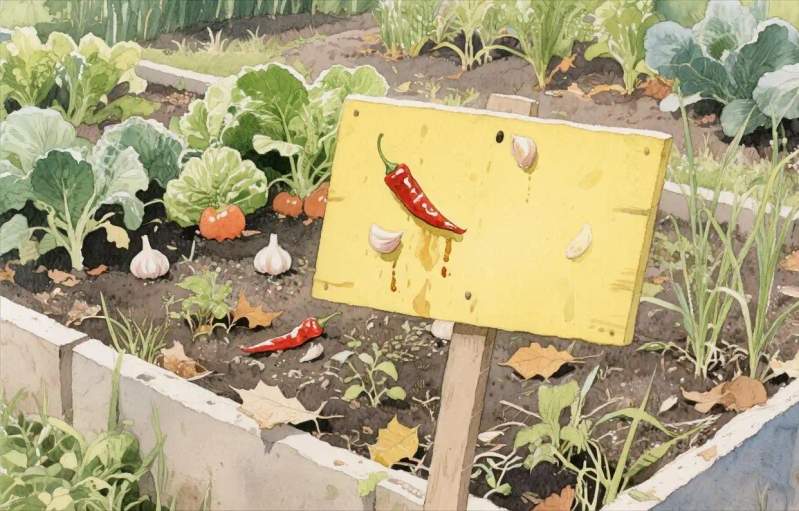
For example, some yellowboards in gardens are used to trap pests such as aphids and white ticks; weeds and leaves in gardens are regularly cleaned to reduce the breeding ground for disease and pests; and natural insecticides such as pepper and garlic can be sprayed on vegetables to combat pests。
(ii) reasonable fertilization of water
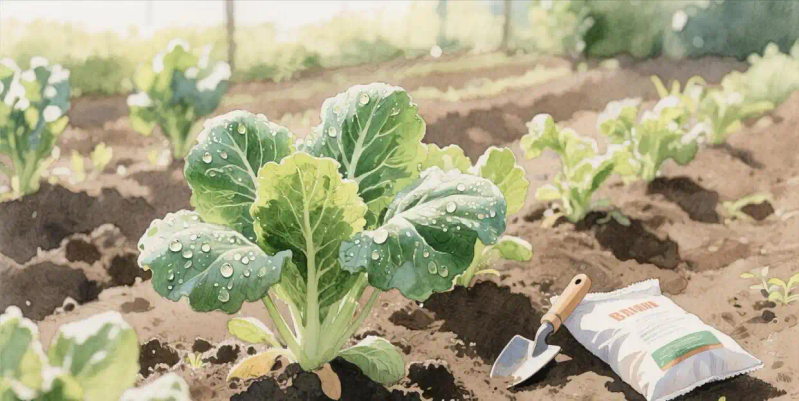
Fertilizer is based on the principle of "freight and hard work" and not so much fertilizer as to burn the roots. The water should be based on weather and soil conditions, and generally the soil should be moist and not allow the soil to accumulate, so that the vegetable roots do not rot。
(iii) timely collection
Each vegetable has its own harvest time and must be harvested in a timely manner so that it does not age, affecting taste and quality. After harvest, the gardens are cleaned in time for the next planting。
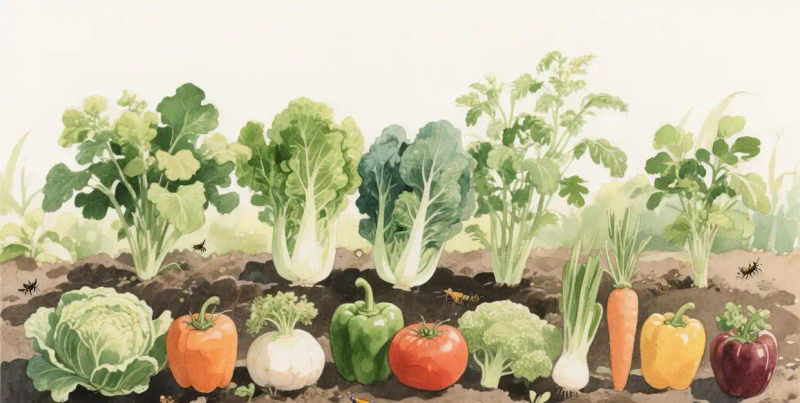
And here, 10 types of lazy food, all of which we've drawn up in 10 years of gardening, all share the same characteristics: simple planting, poor management, low pests, high yields! Whether you're a new starter or a busy worker, you can easily handle your vegetable garden without all day, and you can be green and productive
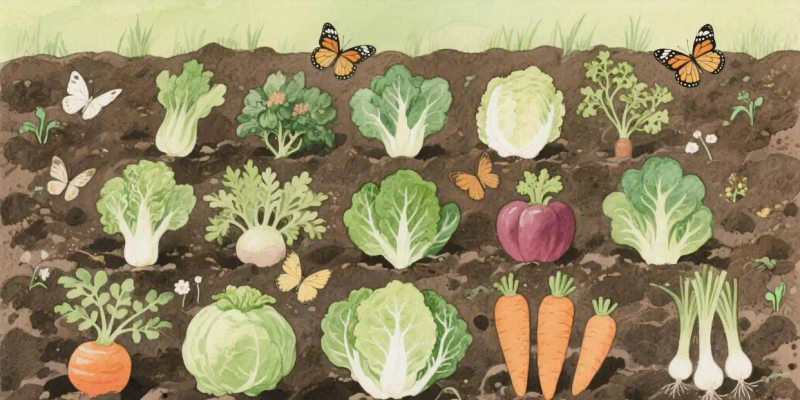
The method of planting that we share this time is based on the research and expertise in vegetable science at the agricultural institute. Let's go and plant these lazy foods in your garden. Enjoy the easy growing and the full enjoyment