It's an original, song yan gee
The opium war was a disgrace to china, and there were smokers in the film, which was dedicated to the qing dynasty. So how did the opium come out of china? When did it disappear? It's like the history books taught it how to come, but nobody mentioned how it went。
Opium leaves china thanks to the efforts of the three governments, namely, da qing, the people's republic of china, and the government of the north china, which have played the greatest role。
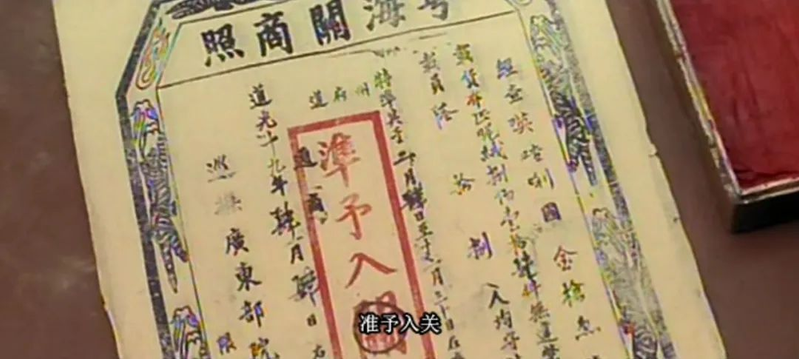
In the aftermath of the two opium wars, the government had liberalized opium restrictions, not only by importing opium, but also by increasing local cultivation. It has been documented that “producer poppy growers in the provinces, even on the interdependant, farmers are used to doing so, and officials listen to it in a double way”. The result, in addition to the widespread presence of the user, has been a proliferation of smoke and low prices, which have affected import trade. By the end of the day, the profits from the opium trade were already very low and were gradually unprofitable for both british and american businessmen. In 1906, the production of indigenous medicines had already been 11 times greater than the amount imported, and the time had come to end the opium trade。
On 20 september 1906, the qing government issued an anti-smoking edict “to remove all the sufferings of anti-smoking drugs within a 10-year limit” and to begin the clean-up campaign. The department of political affairs has encouraged village gentlemen to set up anti-smoking clubs, appointed a smoke-free minister in the court and included the effectiveness of the anti-smoking programme in the appraisal of local officials. A number of positive policies have led to the establishment of thousands of anti-smoking institutions throughout the country, and anti-smoking activities have spread throughout the country。
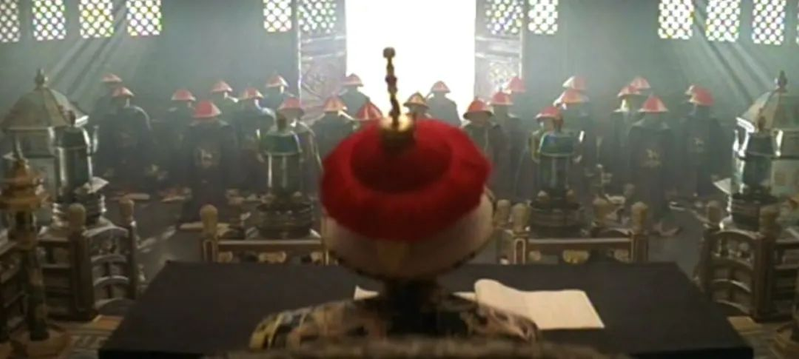
When the internal affairs are completed, diplomacy begins. On 28 december 1906, after having consulted with the british minister on ways to limit the import of opium, he proposed a six-article approach: one, to be sent by our country to india to investigate the actual import figures. 2. Taxes on generic medicines have increased in value. 3 hong kong traders have prepared the medicine to be anointed, while the rate of taxes on transport into the interior has increased. 4. The entry of morphine is prohibited except for doctors. In addition, the qing government has actively participated in the united states-sponsored all-china smoke ban conference, providing genuine exchanges and discussions among the nations of the world and demonstrating its efforts to combat smoking。
On 8 may 1911, the government and the united kingdom signed the chinese-british tobacco ban treaty, in which it was agreed that the united kingdom would do its job to stop opium imports as long as china was free of smoking。
Da qing is at the end of his life and unfortunately it is too late. With the demise of the government, the policy of eliminating opium during the era of the new deal has disappeared and opium abuse and cultivation has resurfaced. In march 1912, sun zhongshan issued a ban on smoking on behalf of the interim government: “the opium flow has poisoned china, and it has been a hundred years since the founding of the nation, flaunting uchi, angry with the males.” in may of that year, the senate introduced the tobacco prohibition bill, which further stipulates that “the national ban on smoking is to be imposed on the end of december of the national year”。
The nation's anti-smoking campaign was successful and, in the first central and british opium survey, the provinces of nail, guangxi, anhui, hunan, shandong and others met the requirements, and the united kingdom had agreed to cease opium imports into the five provinces。
In the following year, the government changed again, and the government of nanjing became the government of the north china of yuan shikai. Despite the failure of many national policies, the smoke-free yuan shikai insisted that he should order a ban on smoking: “without all evils and infinity, he has ordered the chief executives, both inside and outside the country, to comply with the orders and to strictly enforce the ban on smoking.”
In 1914, the provinces of hubei, fujian, zhejiang and henan stopped importing opium into the four provinces through the central british federation。
In 1916, the time for testing china's achievements against smoking was set out in the chinese-british tobacco ban treaty, and that was the case for the permanent end of the opium trade. But at this point, the president changed again. On 6 june 1916, yuan shikai died of urine poisoning and li yuanhong succeeded him in the middle of the storm. On 19 september, he issued a presidential decree demanding that the anti-smoking campaign be vigorously promoted and that it be completed as agreed and that no individual or organization be prevented or severely punished。
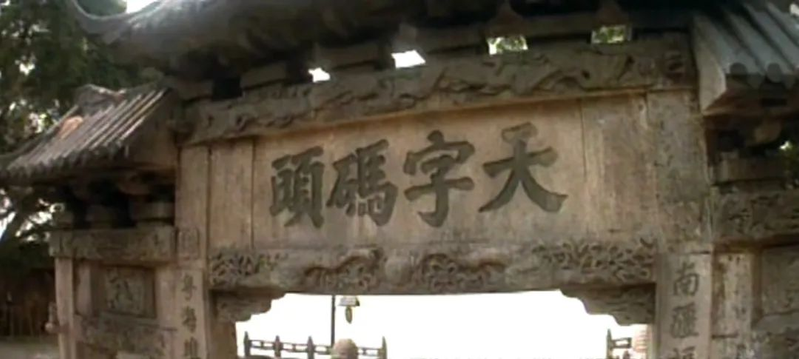
In china, where the warlord was cut, no government had enough power to control the country, and little could be supported by all. However, only in the case of the smoking ban, whichever government has done its best, has received the greatest response from all over the divided chinese territory. Subsequent british investigations have revealed that the arctic government has spent a great deal of human, material and financial resources to ban smoking in order to meet the ban standards of british inspection, and that local officials have even used a series of violent means to compare the anti-smoking campaign with a repressive one. In yunnan province alone, smoke-free operations cost $500,000 and resulted in the temporary elimination of opium cultivation even in areas beyond the control of the governments of the north ocean。
In 1917, china extended an invitation to visit the united kingdom. The united kingdom sent several teams and conducted a full survey on foot for thousands of kilometres. According to british research reports in the six regions of yunnan, guizhou, jiangxi, shaanxi and sichuan, the results of the anti-smoking campaign in china have been significant and the united kingdom has been forced to recognize the cact, since which time both opium imports and opium production and sales from china have lost its legal rights。
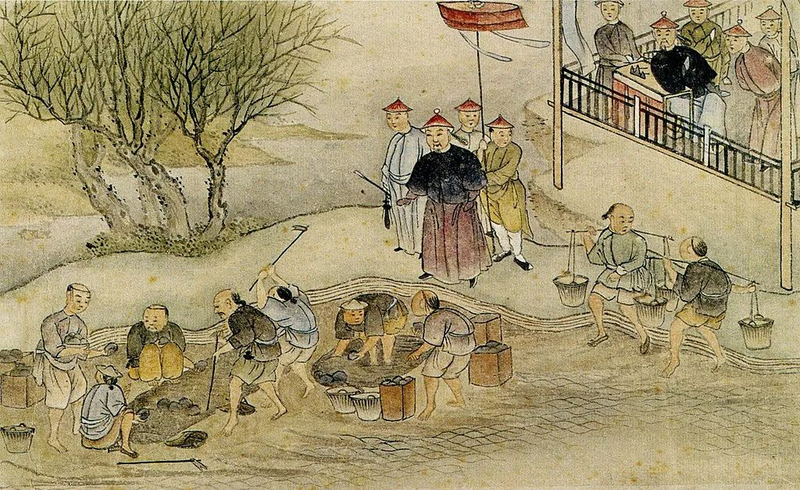
In january 1919, the chinese government opened an inspection of the soil, following the scrutiny of representatives of various social groups. The following day, the burning of the furnace was opened under its surveillance until all the burning had been completed, which meant a formal solution to china's “storage” problem and a victory for china's smoking ban. After 80 years of smoking ban, his wish was finally fulfilled。