The whole plan of the lichen plant: scientific management of high productivity, four main points! From seed selection to harvest, hands teach you how to grow a good lotion
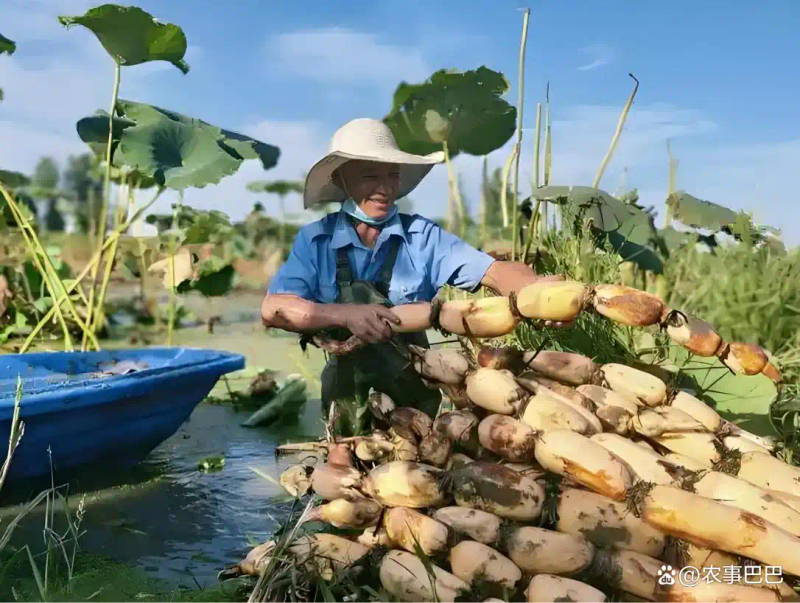
As aquatic crop with both economic and nutritional characteristics, market demand has continued to grow in recent years. However, a high level of production can be achieved only through a process of fine-tuning, from species selection, crop management to pest control. In the light of years of experience in the field, the system has developed the core elements of lion's planting to help you grow and grow more easily
I. Four core elements of lotus cultivation
1. Soil and water depth
- soil requirements: the best visceral border soil, 30 cm deep, ph 6. 5-7. 5 and organic content 1. 5 per cent。
- water depth control: 5 - 10 cm in infancy, 15 - 25 cm in leaves and 10 - 15 cm in chronology。
Temperature and light
- a temperature of 15-30°c for growth, 12°c for lumbering, and 8°c for day and night temperature differentials for the accumulation of starch。
- a six-hour daily light, after which the seal must ensure a perforation rate and avoid the planting of a long plant。
3. Choice of varieties
- early-maturity varieties (olen 5, sfry): 100-120 days of childbirth, suitable for multi-season rotation。
- medium- and late-dwelling varieties (wu shige no. 2, zhilen, thailand): 130-160 days of childbearing, high single production and high starch content。
Time and manner of planting
1. Optimal planting time period
- spring broadcasts: late march-mid-april in the yangtze basin (at temperatures above 12°c) and extended to may in the north。
- summer broadcasts: in june-july, the south china area was planted in order to avoid frost by choosing pre-maturized varieties。
2. Elements of cultivation techniques
- speculative treatment: immersed for 20 minutes with more than 50 per cent more than 600 times more fungus in a healthy section of 2-3 knots。
- plantation methods:
- artificial planting: 1. 5-2 m x length 0. 8-1 m, 15° stroke to mud 5-8 cm。
- mechanized cultivation: using a water field sowing machine, efficiency has increased threefold, but attention needs to be paid to mud layer flattening。
Iii. Key measures for day-to-day management
1. Water level regulation
- following the “light-deep-substantial” principle, heavy rains are followed by the timely drainage of the leaves against decay and the cooling of the heat season through deep water。
2. Scientific fertilizer programme
- base fertilizer: acre application of decomposition manure 2000kg + calcium phosphate 50kg。
- getting fat:
- leafing (30 days after planting): urea 15 kg/acre
- completion period (60 days after planting): potassium sulphate compound fertilizer 20kg/acre
3. Cropping
- 2-3 times of artificial weeding before sealing off, and prohibition of chemical herbicides to avoid damage to the whips。
Iv. Green pest and pest control system
1. Three diseases
- corruption (seedella):
- symptoms: yellow on the edge of the leaf, brown and brown。
- prevention and control: three years of dry-water rotation, with 50 per cent of the ester ester 2000 times the root of the disease。
- brown spots:
- prevention: control of density, maintenance of ventilation, application of 75 per cent of the 100-bacterium cleanup 600 times prior to onset。
2. Major pest response
- lian pipes:
- physical control: yellow lacquer in the field
- chemical control: 10% amphibians 1,500 times liquid spray (deactivated 20 days before harvest)
- slashed night moth:
- biological control: release of red-eye bees (5,000 head per acre)
- drug control: 5% of salt cream 3000 times liquid
V. Four key techniques for high productivity efficiency
Two-season cultivation model: the introduction of pre-literated varieties in the south china region has resulted in a “spring in july + fall in december”。
2. Plantation techniques: 200 tails per acre mixed with 2,000 yuan/acre plus pest reduction。
3. Timely collection:
- qinghui (july-august): 30 per cent of harvests take place at high market prices。
- dieth (october-december): starch is fully accumulated and suitable for processing。
4. Retention techniques: choose unearthed fields, maintain 5 cm of shallow water for winter and expand directly the following year。
Concluding remarks
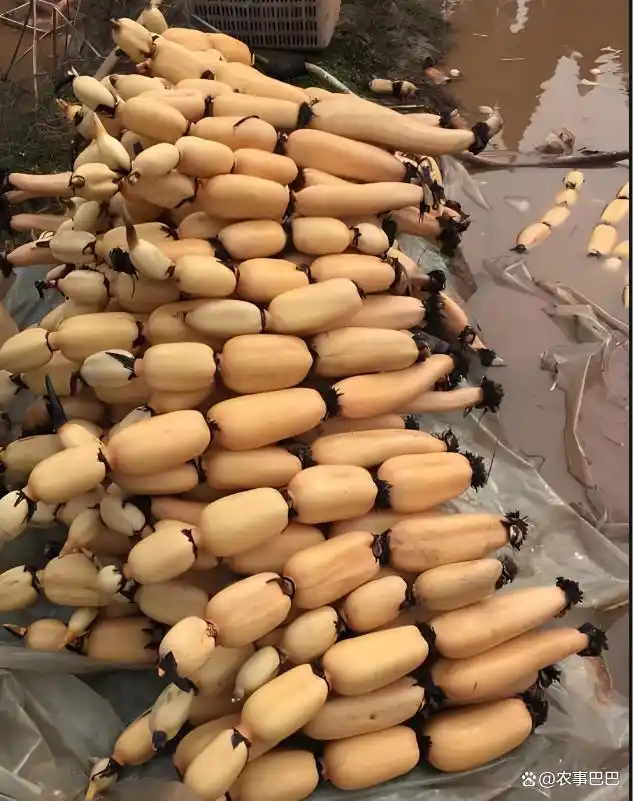
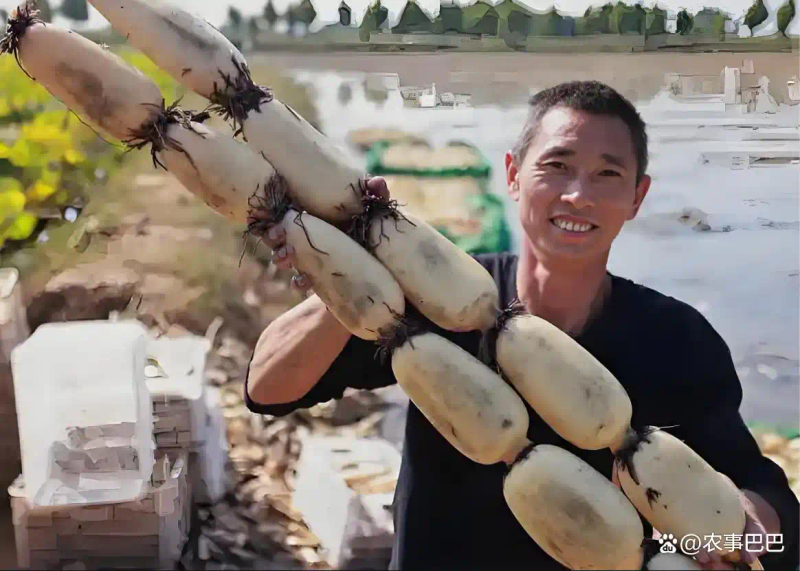
Lactation cultivation, although carefully managed, is not difficult to produce more than 2,000-3,000 kg of acre production, provided that the three cores of species selection, water fertility control and pest prevention are captured in a timely manner. It is recommended that growers establish production logs to record growth data at each stage and continuously improve efficiency through scientific management! #1000 with goods camp#