I. Non-use of basic agricultural land for purposes other than food
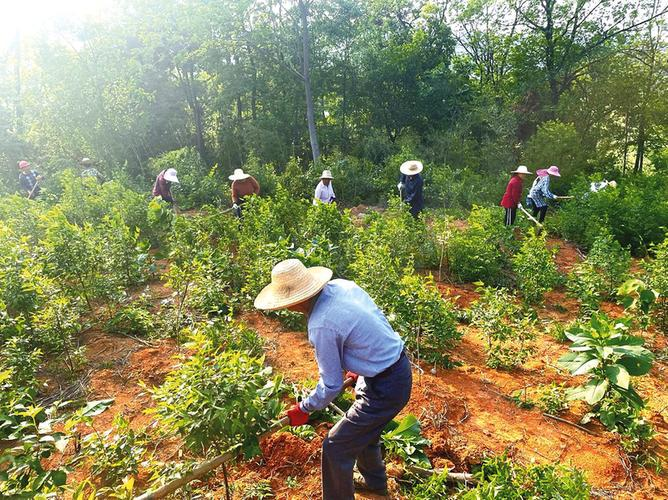
All plants, including crops, grow in isolation from soil and moisture, which is the basic pattern of plant growth and development. Our country has the third largest agricultural land in the world, but our population is the first, and the pressure on agricultural production to meet the food supply is greater. The protection of agricultural land and cropland is intended to provide for the production and supply of normal food crops, such as melon fruit, vegetables and rice, maize and wheat, and basic crop protection regulations expressly prohibit activities other than food cultivation on basic agricultural land. It is not necessarily feasible to plant oil and tea trees on agricultural land, except in the case of arable land other than less basic agricultural land。
Ii. Selection of oil and tea tree varieties and related management of cultivation points
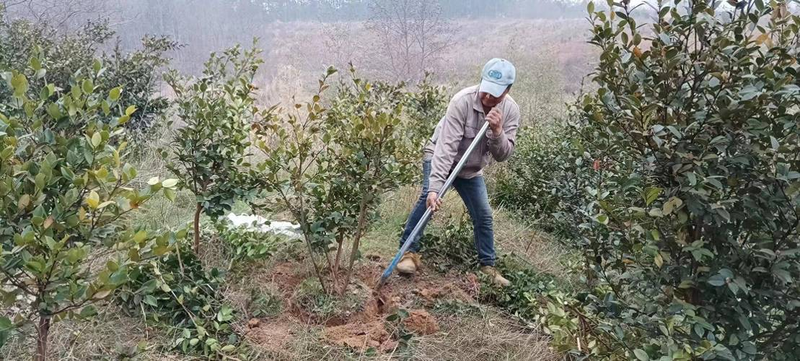
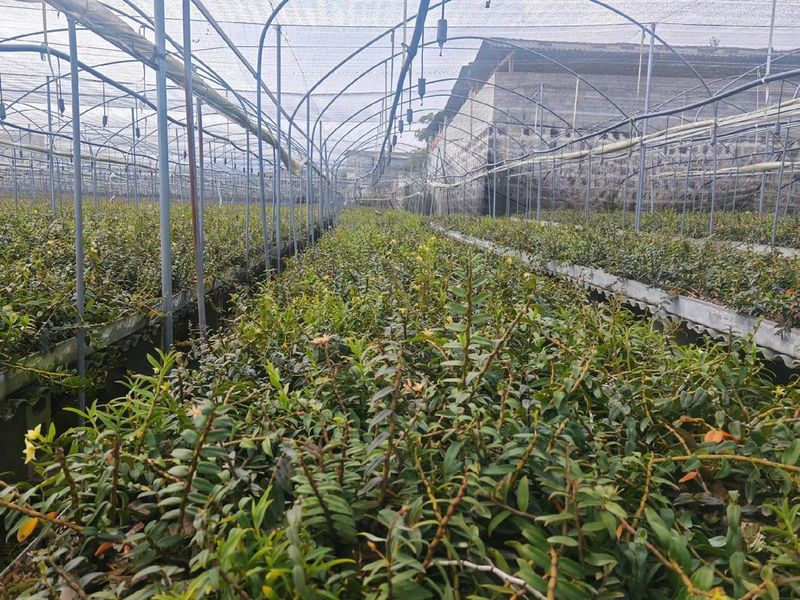
Our country is the world's leading producer of oil and tea, and our oil and tea cultivation is mainly concentrated in hubei, hunan and jiangxi, and there may also be significant variations in the variety of oil and tea trees grown in each region. Soft oil tea, red flowers oil tea and little fruit oil tea are all the usual species we see all the time; there are many varieties of oil and tea and many methods of classification, which can be classified in terms of origin, fruit size or medium and late ripening. Not all good oil teas are suitable for local cultivation, but they need to be combined with local mountain slopes, slopes, sunlight, rainfall and frostless periods. The most important front-stage management for the planting of oiled tea trees is in the management of base and catch-up fertilizers, which are best grown at about 18°c per year; prior-period fertilization is dominated by nitrogen and farm fertilizer, which, if applied, avoids the use of chlorine-containing elements; base fertilizers are fully applied, with an acre application of about 4 tons。
Iii. Differing management measures for early, adult and productive trees
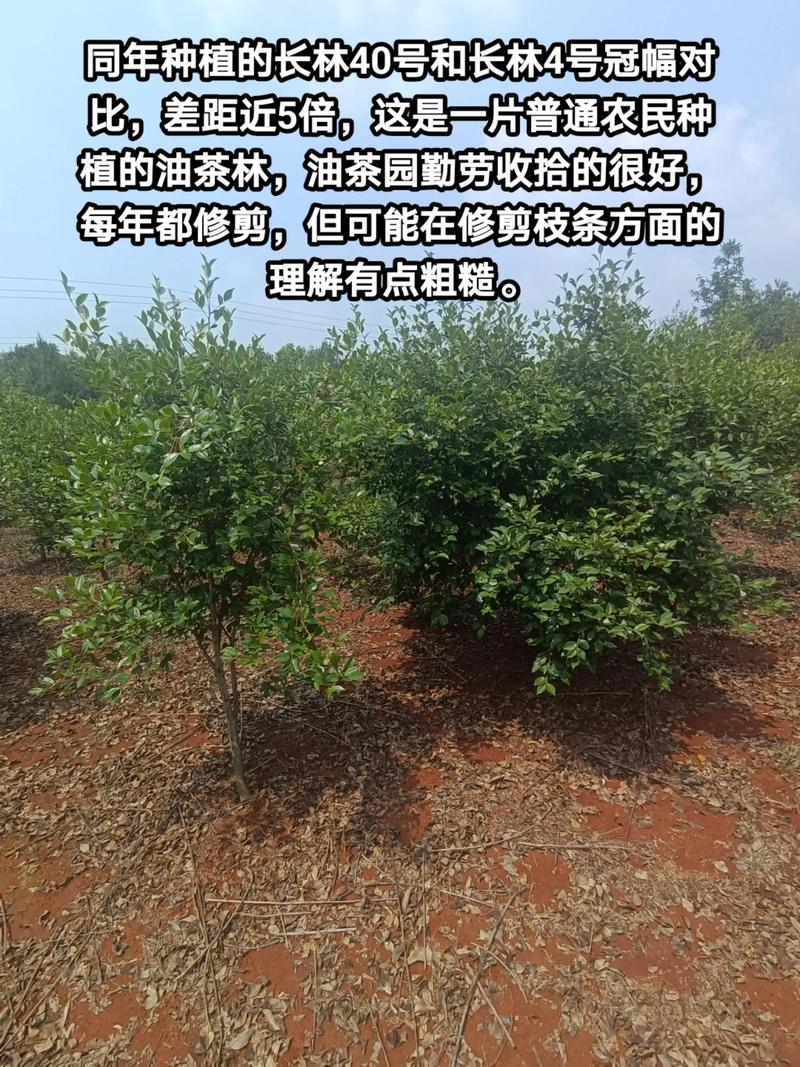
According to statistics, most of the oil and tea trees can live longer than 50 years or more, but, depending on the capacity to grow and absorb nutrients, the economic life of the oil and tea trees is usually around 30 years. One to three years after planting is largely inconclusive, and this is the early age; by the fourth year, normal shears began, and four to 10 years of oil and tea trees were called adult trees; there was a productive period of 10 to 20 years to be followed by proper management; later production could be lower and the quality of oil and tea reduced, and in 30 to 50 years it would be officially old. Fertilisation of oiled tea trees is based on actual strength and the rate of bouquets, and the application of the principle of greater amount of flowers and higher demand of fattening is based on the division and adjustment of the percentage of potassium nitrogen phosphorus in order to reduce the physical fallout; another important aspect is the regular trimming of overlapping branches, long branches and pest branches, the timely repositioning of tree positions, the expansion of canopy and the enhancement of the permeability of the branches, which will make it more conducive to the co-optation of leaves and the balance of tree nutrients。