Study on indoor cultivation
Concluding report on research learning
Guide teachers:**
Members: students in the third, fourth and fifth grades
I. Selected topics
(1) to apply the knowledge in the textbooks to the reality and to study the current knowledge of the types and habits of plants that are important in our homes。
(2) improved capacity to observe and gather information。
(3) fostering a spirit of partnership and joint exploration。
(4) through in-person surveys and interviews, we have been able to develop a scientific spirit of rigour and boldness in the form of green plant flowers。
(5) give us an initial grasp of social research measures, an understanding of the basic procedures and norms of academic research, the development of a sense of achievement in academic research and a sense of academic excellence。
(6) increased motivation for scientific research through the demonstration of results will also enable us to experience the joy of success。
Safeguards
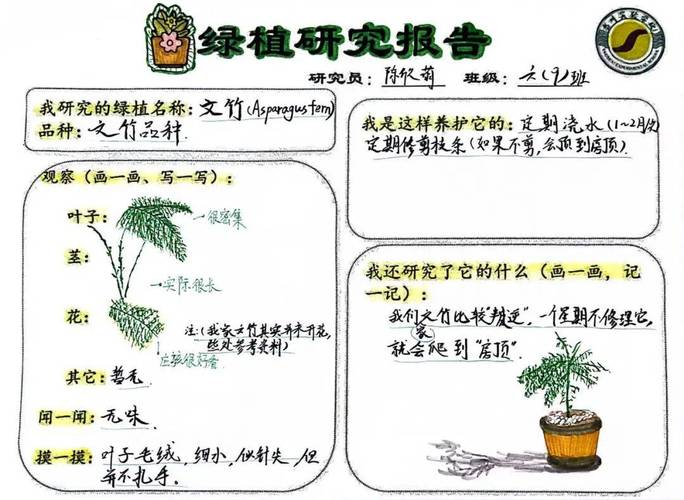
1. As people's standard of living has improved, their living conditions have greatly improved, and our perception has evolved from a rich pursuit of material life to a pluralistic one, where indoor cultivation of green flowers is common in ordinary life and is understood by many。
Plant flowers are grown in more or less the same household in each window to facilitate observation and understanding。
4. The members of the group are interested in the knowledge of flower cultivation and possess a skill。
5. Teachers have assisted in the planning and implementation of research activities。
Iii. Facilities process
1. Phase i
(1) establish a feasibility scheme to understand the current state of indoor green plant cultivation around us. Our team prepared a questionnaire to survey the names and quantities of indoor green plant cultivation in the homes of students of the fourth and fifth grades of my school. As a result of the survey, data were recorded and the results analysed. In this process, we have an initial understanding of the conditions of indoor green plant cultivation around us, its variety, its motivation for growth, its teamwork and its ability to learn autonomously。
(2) we, the junior staff, use extra-curricular breaks to learn, inter alia, about the characteristics of the type of flowers in our home green plants, by interviewing parents, looking at books and looking for information online. The information gathered at this stage has allowed us to develop a greater appetite for home-based green plant flower cultivation and to understand the knowledge that many textbooks do not attend。
2. Phase ii
(1) next, we're going out of school, into our homes, with the help of parents and teachers, to get close to our homes, to take pictures of a large number of plant flowers, to reach them at a “zero” distance
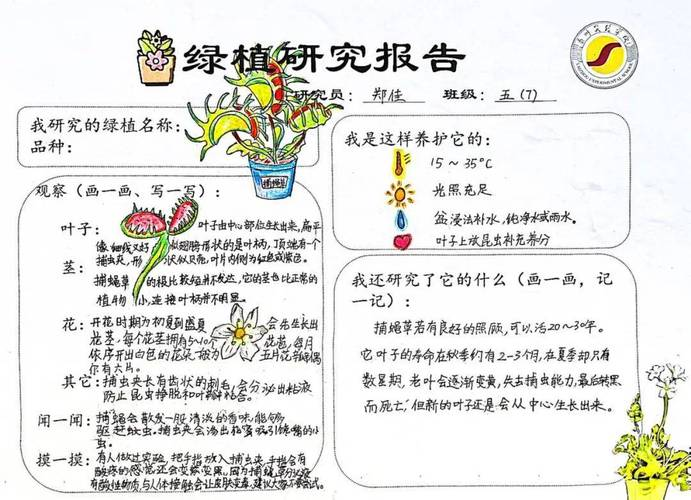
(2) some peer-to-window interviews with parents, especially families with larger green plant flowers, understand different types of green plants and feel the pleasures of home-based green plant flowers in their lives. And there is a certain understanding of the functions of home-based green flowers。
3. Phase iii
We made a summary of photographs and records. Information is also summarized and analysed, and through it, knowledge of home-based green plant flowers is again enhanced and learning measures and skills are developed. Panel discussions, exchanges of ideas and identification of strengths and limitations of activities. We then write our own minds, and we collectively discuss the preparation of research studies and conclusions。
Data analysis
The questionnaire was documented and the results analysed. We have achieved the following results:
For the moment, among our indoor green flowers, the following are important:
They are: monsoon, butterflyland, dowdish, mansang, a piece of red, a night fragrance, sunflower, roses, wind nomad, etc。
Forecasts: rich trees, rubber trees, green carrots, traips, bamboo, happy trees, etc。
It turns out that at the moment, our locals are choosing some green plants that are good-looking and live-in
V. Conclusions and experience。
From the records of the results of the survey, we found that most households grow green plants and like to grow them, with a better understanding of knowledge of some simple flowers, but with little understanding of the knowledge of certain professions and the habits of some flowers. It makes sense to clarify our research。
Information-gathering knowledge
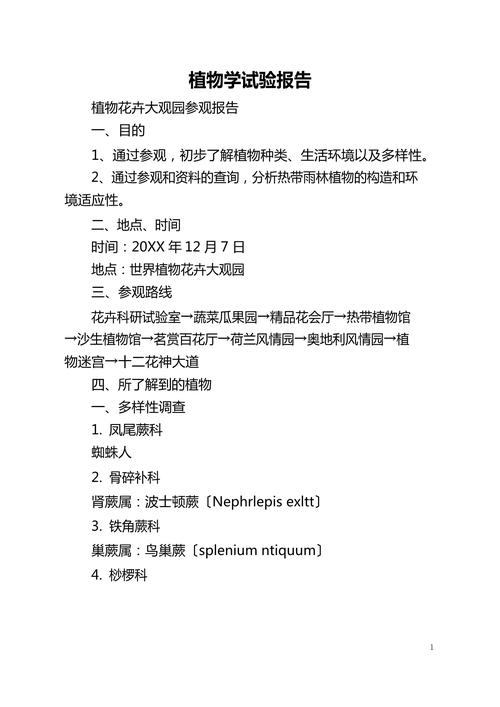
With the bi-civilizational process moving forward, the ecological consciousness is growing, and eco-housing is perhaps the most topical topic at present. It is now difficult to completely eradicate such residential hazards because of such problems as renovations, pollution, etc., which have led to excesses of residential harmful gases and caused multiple illnesses. The idea of using green plants to decorate homes. Green plants have a clear regulatory effect on the environment by restraining or absorbing harmful substances and releasing beneficial substances that both satisfy the health requirements of people and give them the pleasure of returning to nature in their rooms. Indoor flowers should be selected for certain flowers that can absorb toxic gases, cleanse the air or kill the fungus, which are not suitable for the ward or bedroom night. Different places should actually have different flowers, some of which are not suitable for entry, otherwise they could lead to air pollution。
The placement of certain anti-polluting plants in the interior can act as air cleaners. E. G. Ivy can “eat” benzene, traam can “eat” carbon monoxide, formaldehyde in the room, and benzene and trichloroethylene can be derived from the leaves of tiannan star. Also, cylindrical, hamland, tigertail, a leafland, and turtle-backing are natural scavengers who remove harmful substances from the air. There are studies that indicate that tiger tailings and cholans can absorb more than 80 per cent of the hazardous gases in the room and are extremely capable of absorbing formaldehyde. In addition, orchids, cinnamon, rume, taro, red graft, etc. Are natural scrubbers whose hairs capture and absorb floating particles and dust from the air。
Indoor flowering improves and aestheticizes the indoor environment, but inappropriate choices lead to indoor pollution。
Spectrums that can stimulate smell at night, such as fragrances, and so forth, have a negative impact on high blood pressure and heart disease patients; fragrances of peaches that can make people sleep and reduce their mental capacity; particles from embroidery balls that can cause allergies to human skins; tulips that are toxic to alkaline, with excessive exposure to hairs; and fragrances from cedars that affect people's appetite. Six, experience
Research learning is open learning and builds our ability to learn freely. This time research and learning is not easy, although it is not the first time that we have been involved in research and learning, but it is difficult to get into it because of the heavy workload and the time constraints. In the course of our interviews, we encountered a number of difficulties, such as writing problems, finding interviewers, etc. But we all solved it. Through our activities, we have learned a great deal about indoor green plant flower cultivation, and have been able to exercise our ability to gather, refine, analyse and build confidence. We are very pleased with the results achieved through our own efforts. Through this study, we would like to make the same windows more aware of the beauty of flowers, of the knowledge of indoor green plant flowers, of life and of life。
Although there is much imperfection in this comprehensive exercise, we think that, at least, we have experienced it with our heart, sweat and wisdom, felt it, felt it, felt it, did not matter much, and the process was the moment we enjoyed. We should often live and learn in practice. We all look forward to more opportunities later to use collective power to solve and study more interesting issues。
Information consolidation, printing
I'm sorry
20 october