Establishment and practice of high-quality and efficient systems for the cultivation of critical technologies
Jung-ho
In the province of shandong, the quiwa district is a warm-temperate monsoon climate with an average annual temperature of 12. 8 °c and a soil dominated by brown soil and palm, with a ph of 6. 5 ~7. 2. Peaches are often planted in pomegranate districts using facilities such as greenhouses and sheds, which are at the wrong peak and become an important local feature industry。
1. Selection of excellent varieties
Peaching facilities should give preference to varieties with lower cooling requirements to ensure normal break-out in the facilities. Choose species that are strong, strong, disease-resistant and well adapted. It is recommended to select large, colourful, stymied, sourly sweet, and windy varieties. The prices of pre-maturity and pre-maturity are high, but production is relatively low; the production of medium- and sophisticated varieties is higher, but competition and prices are lower when they are listed. Hard soluble, well-carried varieties are more conducive to transport and longer shelf life. Peach varieties in plumes can choose early red beads or dawns, and peaches can choose spring snow or honey, etc。
2 plantation
2. 1 construction
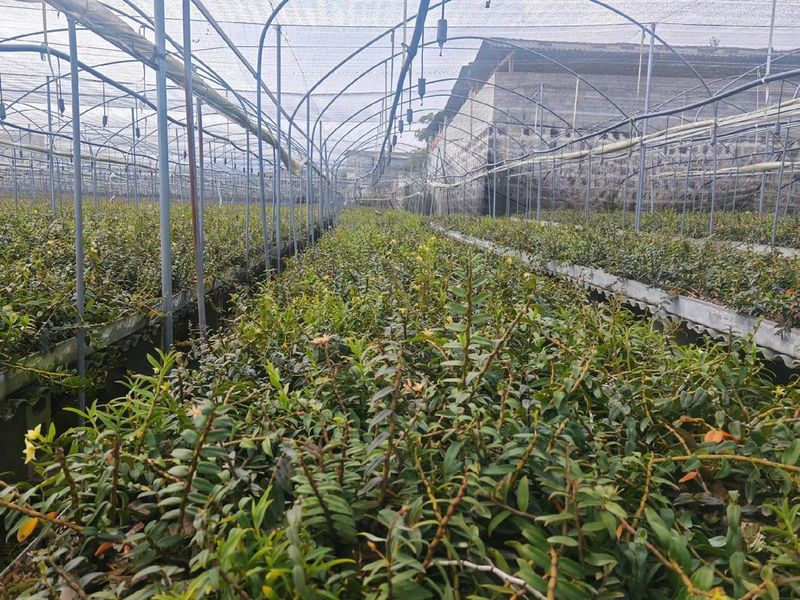
In shandong province, the peach gardens are suitable for the selection of sandy plots that are sunward and easy to drain, with a relatively high area of water, and 100 cm of groundwater in the rainy season to avoid the construction of parks in low-lying and flood-prone areas. The greenhouses are built using bow-shaped standless columns with a north-south direction, with a length of 80-90 m and a width of 8. 6-9. 0 m, with the membranes choosing a diaphragm-free membrane with a high perforation rate, good fluidity, protection against dust and resistance to ageing。
2. 2 slim selection
Select the one-to-two years of seedlings with full roots, 70-100 cm tree height, 0. 6-1. 2 cm thick tree base, no pests and appearance damage。
2. 3 plantation
Soil tuning and improvement prior to planting, combined with the application of manure 5-6m3/667m2 to mature farmers. The north and south move up to 40 cm high and about 1 m wide. The peaching plant in the plume canton is generally selected at a distance of 2 m x 4 m before the tree sprouts between the end of spring march and the beginning of april, and is adjusted as appropriate. The trees were immersed 24h prior to planting, and on their backs were dug from a distance. The tree's neck is 3 cm high above the ground, the roots stretch out, the tree is straight and straight, and it runs across. After planting, water, drying, membranes are filled in a timely manner, usually with one dry 30 cm high in the south and one dry 50 cm high in the north, declining from north to south. After drying, plastic condoms can be laid from the top at the cutting point to promote the early growth and growth of peach trees。
3. Temperature management
When the peach tree meets the need for cooling, the eastern region of the mountain generally starts to warm in the late of december until early january of the following year. The temperature rises are slow, and the temperature rises are held at 2-3°c per week. Until the flowering period, the temperature is generally controlled at 15-22°c and 8-10°c at night. Temperature in front of the flower season > 25 °c, which tends to lead to early flowering, stunting of the flowerer, and a reduction in the rate of sitting fruit. The solar temperature is controlled at 18-20°c, 8-10°c at night, which is sensitive to high temperatures, and more than 25°c requires timely cooling by the wind, which otherwise seriously affects pollination fertilization and sitting rates. After the fruit sits until the period when the fruit swells, the day temperature does not exceed 28°c and the night temperature is not less than 10°c. Temperatures exceeding 30 °c are prone to new wavelengths, exacerbating physiological fallout. The maturity temperature of the fruit does not exceed 28°c. The heating of the ground can take measures such as covering the membranes, digging cold trenches, opening the top vents and even the bottom vents in time for cooling when the temperature is high during the day, and covering the cotton so as to protect the temperature at night or at low temperatures。
4 humidity management
Controlling humidity at 70 ~ 80 % before it rises to flowering helps to promote the growth of embryonic and flower organs. At this time, when external temperatures are low, ventilation should be done around noon at 15-30min per ventilation to remove humidity. Controlling 50 ~ 60 per cent during flowering periods, high humidity can lead to the indispersibility of pollen, the non-fragmentation of flowers, serious effects on pollination fertilization and a significant decrease in the seating rate; wetness over low columns is dry and does not favour the growth of pollen tubes. This should be done by increasing ventilation, extending the ventilation time and strictly controlling humidity. The nuclei between the gestational period and the nuclei of the fruit remained around 60 per cent, contributing to the fragmentation of the gestationary cells and to the pre-growth of the fruit. At this point, the vent is largely open during the day and the opening size is determined by temperature. Fruits expand to colour periods, maintaining a humidity of 50-60 per cent, with lower humidity contributing to fruit sugar accumulation, colouring and effective disease prevention. At this time, the external temperature is high, so that it can be ventilated day and night, gradually increasing the amount of ventilation and, depending on the circumstances, removing the film。
5. Light management
Regular clean-up of dust, leaves and snow on the outer surface of the shed to ensure permeability, with recommendations for at least one clean-up per week and timely clean-up after snow and rain. (c) to check and tighten the pressure membrane lines in a timely manner to prevent the thawing of the faucet film or to reduce the light rate. In the event of continuous rain and snow or serious illumination, artificial light-making measures are used, usually at 2-3h before sunrise and 2-3h behind, to fill the daily light time with 12-14h。
6 flower fruit management
6. 1 auxiliary pollination
There is a lack of natural wind power and insect pollination in the facility, which must be supported by pollination. Each 1 to 2 boxes of bees shall be placed inside the 667m2 shed, far from the vents, while placing the bees in boxes. Artificial pollination collects early blooming buds before pollination, and then takes off herbs and drys at 20-25°c at 1-2d d. When the flower medicine breaks out the pollen, it is filled with dry vials to avoid light. Picking pollen with a brush to the head of the newly opened column, 09:00-1500 is the best time for pollination。
6. 2 scientific tectonics
The fruit is usually divided into two sessions, the first of which is about 15 d after the flower has fallen, and the deformed fruit, the insect fruit and the small fruit. The second one is 10-15 d after the first. The long fruit branch leaves three to four fruit, the medium branch leaves two to three fruit, and the short fruit branch and the flower bead branch leaves one fruit or no fruit (figure 1)。
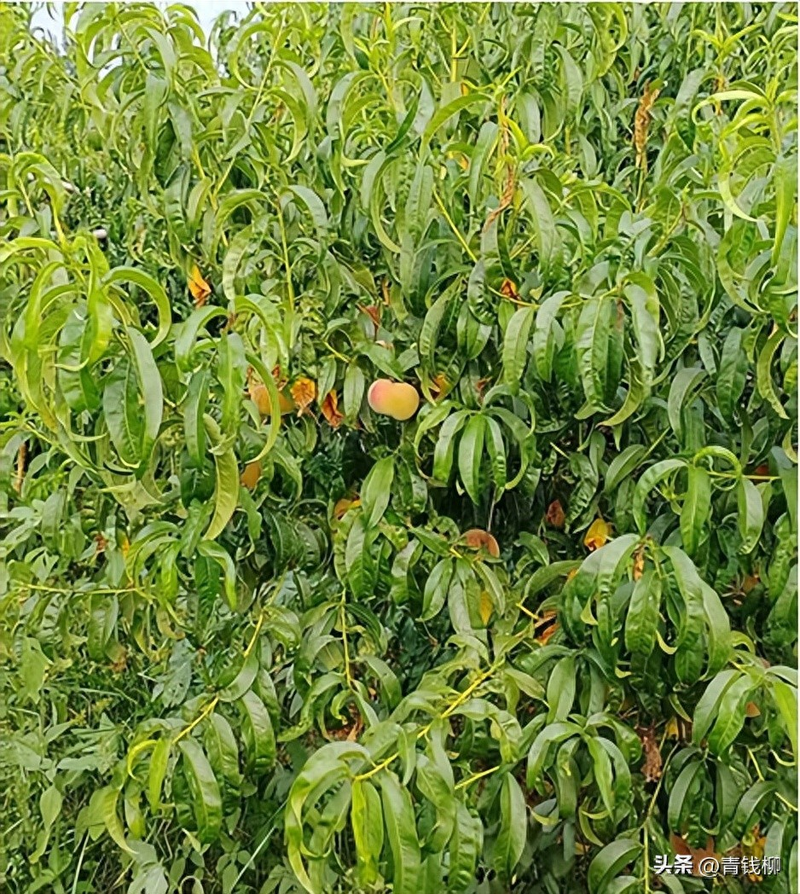
Figure 1
6. 3 plant shearing
After harvest, the disease branches and long branches are cut off, the moderate short stem branches are lengthened and the rest can be retreaded to facilitate the development of new result branches. Peach trees thrive for a long time, controlling their growth, improving light conditions and promoting the formation of buds, through measures such as graft, estrangement, and pulling。
7. Integrated management of water fertilizers
Integrated management of water fertilizers achieves a precise purpose of fertilizing water and nutrients through irrigation fertilization through drip irrigation systems to the root of peach trees. The facilities require relatively small amounts of water during the gestation period, but moderate irrigation can facilitate the growth of buds and branches, with drip irrigation suitable for infiltration into the main root system distribution layer, and can normally be filled with 5 ~10 m3/667 m2 at a time when nitrogen is required to promote growth in buds and branches, allowing the application of high nitrogen water solubility of 3-5 kg per 667 m2. The flowering period is sensitive to moisture, with excessive or too little moisture leading to falling fruit, generally maintaining soil moisture at 60 ~70 per cent of the water held in the field; at this time, there is increased demand for phosphorus and beryllium, promoting flowering sitting fruit and dripping boron to soluble water at 2 ~ 4 kg/667 m2. The high volume of water required during the expansion period requires ensuring that the moisture is sufficiently stable and soil moisture is maintained at 70-80 per cent; at this time, the demand for potassium increases, thereby contributing to the expansion of the fruit and to the transformation of sugar, the application of high potassium water solubility 5-8kg/667m2, which is applied repeatedly. The fruit harvest is followed by one-to-two water injections based on soil lumbers, restoring the tree position and promoting lumbering; at this point, water soluble fertilization of 3-5 kg per 667 m2 and organic fertilisation of 1-2t in ditches is applied。
8 pest management
It is proposed to use 325g/lphenyl ester suspension 1500-2500 times liquid spray, or 40% phenylmethyl ester suspension 2000-3000 times liquid spray. The prevention of bacterial perforation is recommended to use 40 per cent of the zinc suspension 600-1000 times the liquid spray, or 6 per cent of the muscular soluble fluid 1500-2000 times the fluid spray. The control of pear insects recommends the use of 150g/l thorium adsorption 4000-50000 times liquid spray, or 32000iu/mig humid powder 200-400 times formulation. Twenty per cent of the microbreedant benzene chlorinated benzene (bcb) is recommended as a liquid spray of 4,000-5,000 times, or 300g/l-l-benzo-methamide larvae-free spray of 2000-2500 times. Aphid control recommended the use of 0. 3% bitter alkali water agent 600 ~ 750 times liquid spray, or 10% fluoride amide suspension 2500 ~ 3300 or 25% acetone suspension 1250 ~ 1667 times liquid spray. Red spiders recommend the use of 500 ~ 750 times liquid sprays of 5% acetylene oil, or 40% of dictum acetate suspensions of 4000 ~ 5000 times liquid sprays. Cow control (figure 2) can be injected with a 3% high-efficiency chlorocypermethrin microscapacitant 600-1000 times liquid spray, or a 2% methachlor phenate emulator 0. 3~0. 4 ml/cm chest dent。
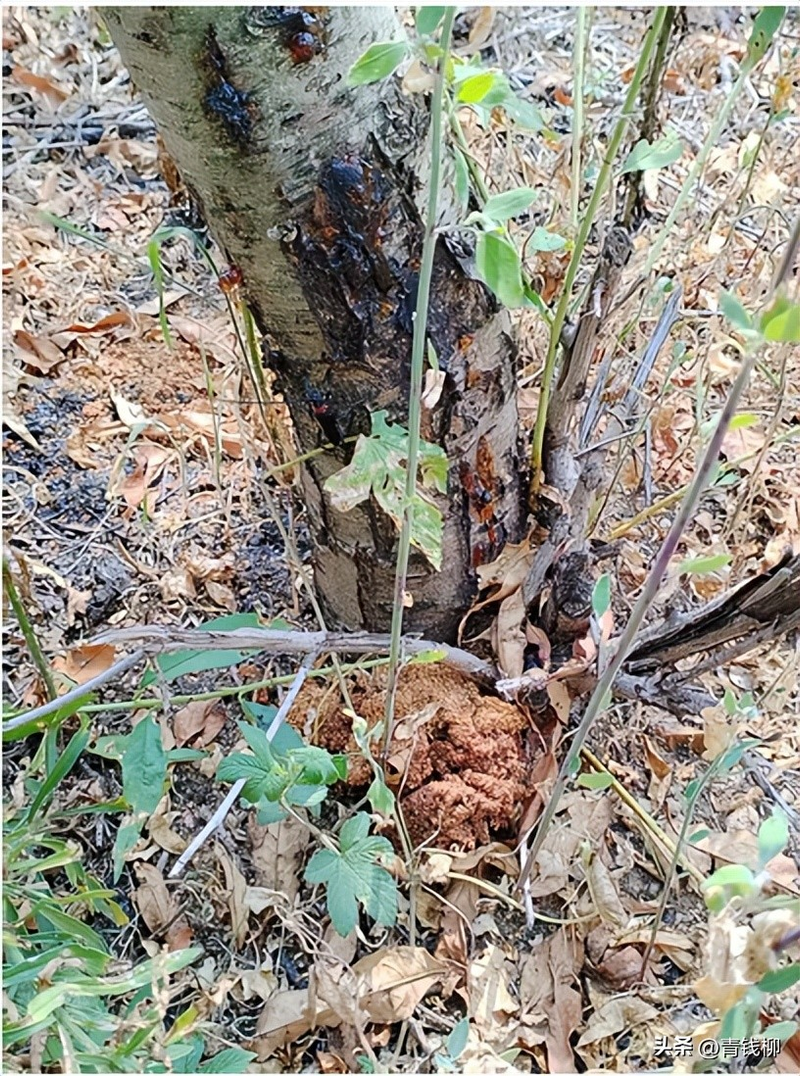
Figure 2
9. Collection
The harvest can take place when the fruit is fully coloured and the background colour is changed from green to yellow, fruit nucleus and skin to brown, and the fruit displays the fragrance and quality inherent in its variety. Artificial fine harvests should be carried with fruit handles to avoid holding the fruit directly, and then gently placed in soft containers such as baskets, foam boxes, etc., to prevent stab wounds and squeeze. The selection of clear mornings from 9 a. M. To 11 a. M. Or from 3 p. M. To 5 p. M. Should avoid high noon temperatures and dry dew mornings, which could otherwise affect fruit quality. Peach harvest time at a plume can last 60d and be collected in batches according to variety maturity and marketing plans。
10 concluding remarks
High-quality and efficient cultivation techniques for peaching facilities in the tributary district need to select suitable plots and high-quality varieties, through the integrated management of fine hot and wet light and water fertilizers, care for pest and disease control and manual fine harvests, not only to improve the quality and yield of peach nuts, but also to market them at the wrong peaks, creating greater economic benefits。