I. Precubation
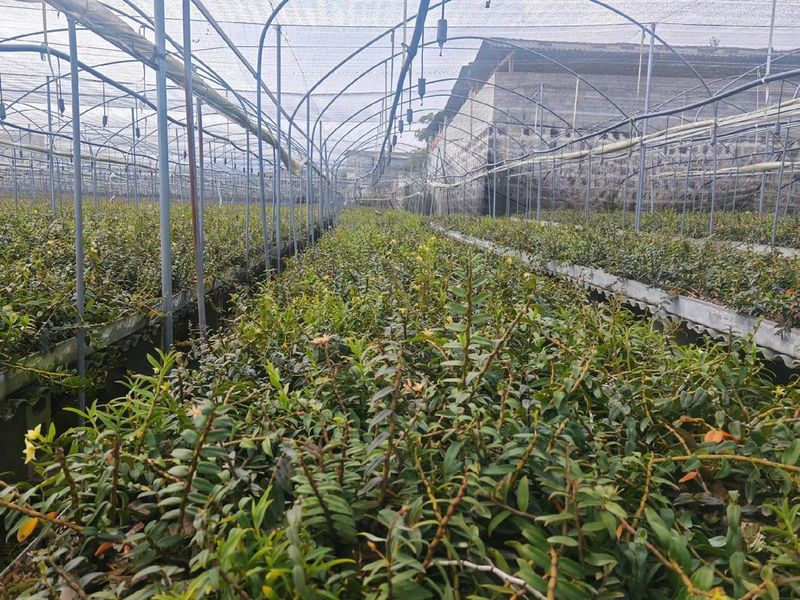
Owing to the small size of the seedlings and the low soil production capacity of the seedlings, it is necessary to tear up the nursery land two to three times and to break the pieces of soil, and then to rise up to 200 kilograms of fermented fat for every 30 square metres of seedbed, and to modulate the manure with the soil and then flatten the surface. The seeding time is chosen to be before and after the festival, with a temperature of 40-45 °c to impregnate the seed for 1-2 days (or rubbing the skin with thin sand), when the seed is sowed that the seed is mixed with grass-wood ash and spreads behind the seedbed, then a layer of about 3 mm thick ground is sown and the soil is humid with a sprayer. It is then covered with a membrane and covered with another layer of straw in order to keep warm and humid. The seeding rate is 50-60 g per 30 m2 seedbed (saplings are available for 1-2 acre field planting). When seedbeds sprout 50-70 per cent, soil membranes and straw are removed in a timely manner, seedlings are combined with water and fresh water is poured every seven days to promote the rapid growth of seedlings。
Ii. The whole of daejeon
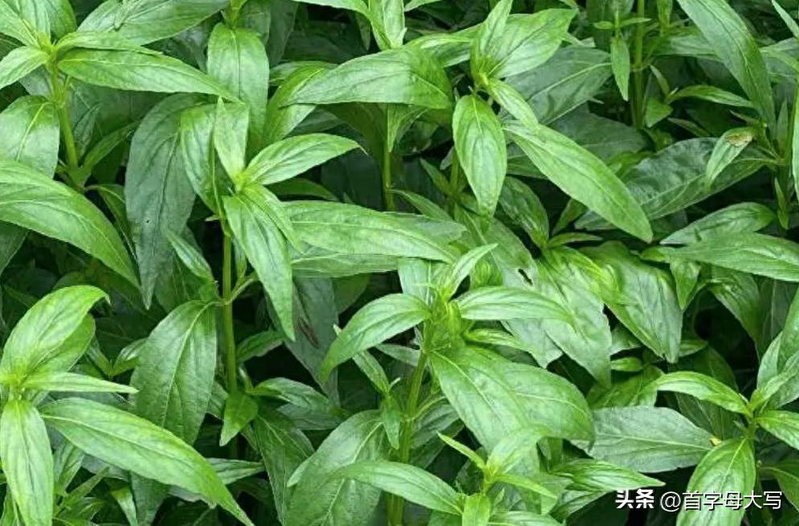
Prior to planting, soil values ranging from 5. 6 to 7. 4 were selected, with flat ground, backwind to sun, fertile estration, easy-to-drink mountain areas or flat land as shifting fields. The field is to be fertilized with 2,000 kg of pig and cow dung per acre, 20 kg of phosphorus fat for base fat, then dredged to 120 - 130 cm wide, 15 - 20 cm high, and open 30 cm deep drain ditch around the field。
Iii. Mobilization
After a month of planting seedlings in a heartline, the seedlings are 10 cm high and can be transferred to the plantation when they have four-to-five pairs. One day prior to the transplantation, the nursery was pumped with water, and a strong seedling belt was selected from the bed for transfer, with a range of approximately 20 x 20 cm and 12,000 plants per acre. A seedling transplant can be used once in a week to water the faeces and to promote growth。
Iv. Field management
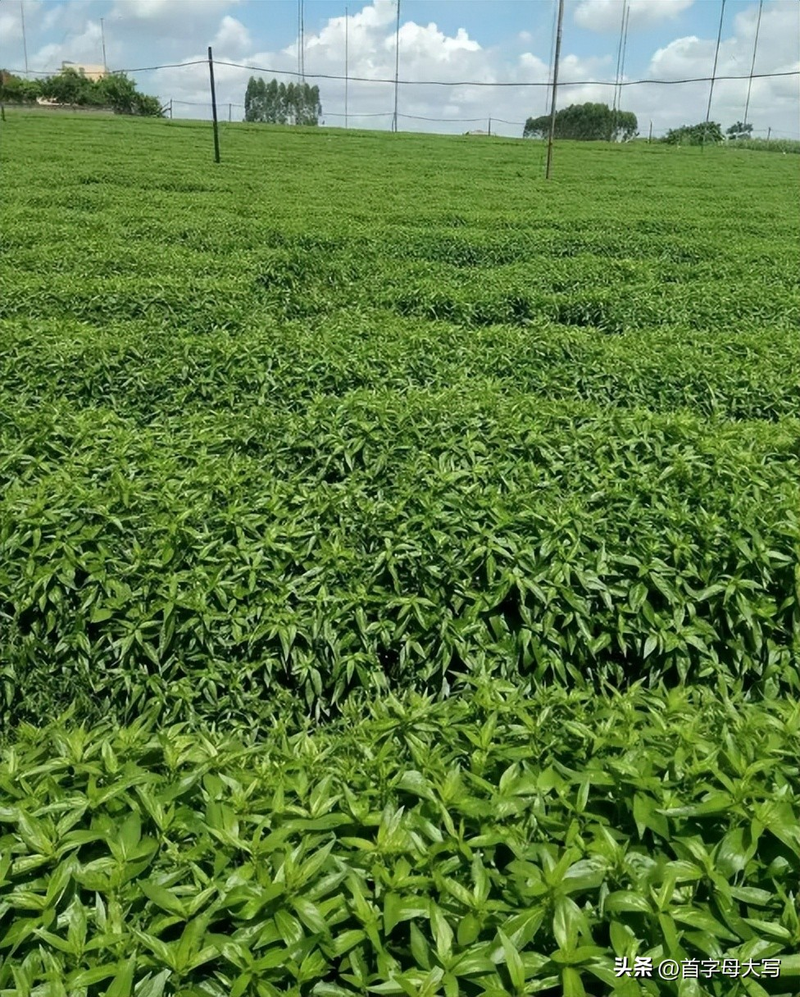
1. Catch water management. They are wet and are sensitive to water reactions and are often wet, but not too wet. The focus of seed management is to keep the face wet. After planting, water will be poured one or two times a day without rain; the soil will still need to be wet and watered every 3 to 7 days。
Catch the fat. It takes a lot of nitrogen fat to produce in a heartline and must be followed up in due course. It's usually called for three fat pursuits. Following a cooling of seedlings, 3000 kg of human urine or 10 kg of urea per acre are followed by water diluted. Fat is followed up once every 20-30 days, with ammonium sulphate or other nitrogen fertilizer per acre. When you plant a seal, you can water it with water. Fat
Three. Pumping the ground. (a) the whole herb in which the seed is taken to the top when it is 30 cm or so, which encourages the sprouts; it also combines chinese farming with soil cultivation and weeding, which encourages the growth of unsettled roots to prevent them from falling. If seed is to be retained, do not hit the top during the flowering season and remove the sequences that are not mature. Fourth is to catch pest control. 50% wettable powder tobuzim; 1,000 times liquid spray control for plum moths the treatment of larvae and small tigers can be treated with 90% trichlorfon 1,000 times。
Collection processing
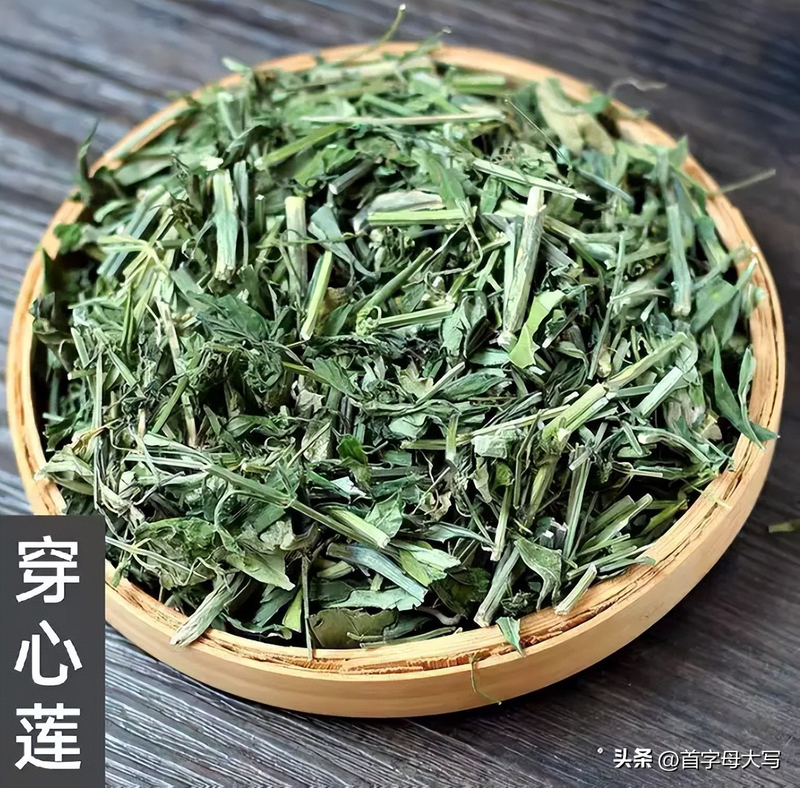
The harvest can be harvested when the heart is grown up to the time of flowering, with a sickle to dry the sun at 2-3 sections of the stem. Cultivation can take place twice a year, with an annual acre production of 500-800 kg of dry products, and tanned dry products can dry, green, leafy, impurity-free and moldy。