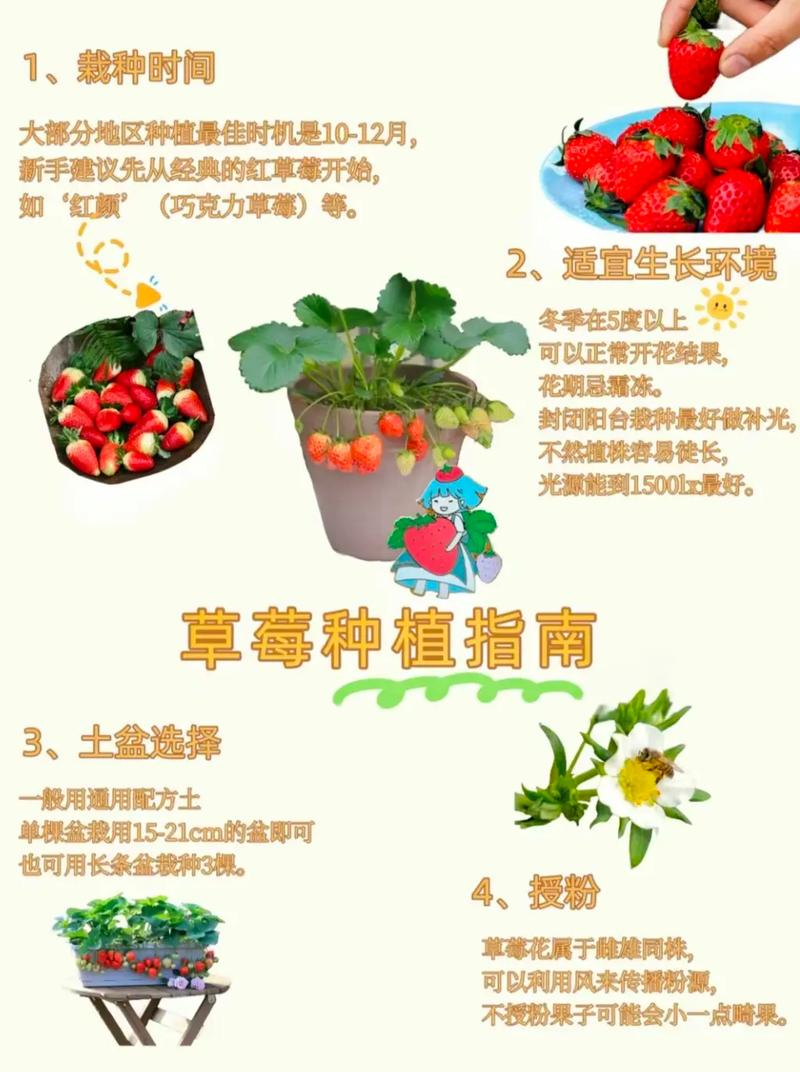
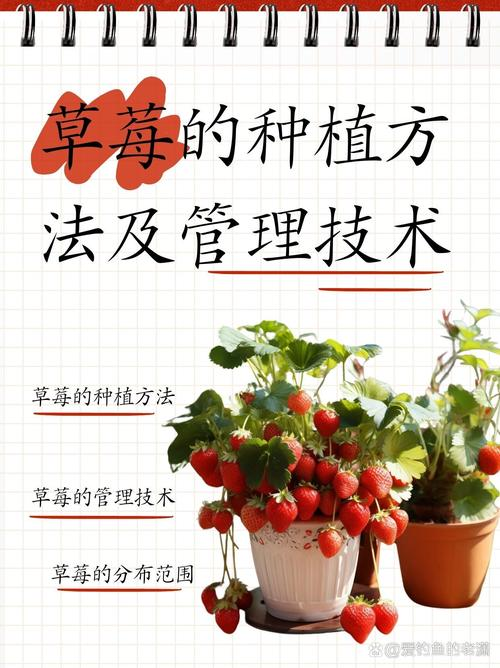
Strawberries are popular because of their bright appearance and charming scent, and every february to march, when strawberries mature, small baskets or baskets of strawberries on the side of the road are quickly looted and many people choose to go to the strawberry garden themselves for fun. The following is a study of strawberry cultivation and management techniques。
1. Selection of suitable varieties or blends
Select the variety of flowers, pollen-rich, fruit-rich and full, colorful, acidy, and deformed fruits, such as fragrances, mingbao, etc., that are available at low temperatures. For varieties with small amounts of pollen and large amounts of deformed fruit, such as quechua, quechua, all-star, etc., varieties such as chunhian and dana should be combined as pollination strains to promote pollination, reduce deformity and increase the proportion of large fruit。
2. Selection of healthy seedlings
Healthy seedlings have developed roots and strong resistance to disease, and can lead to larger, more productive and better quality strawberry。
3. Application of sufficient quality base fat
Increased high-quality, morbid agricultural fattening to provide sufficient nutrients for strawberry growth, budding, flowering and fruit development, increased fruit size, sugar content and colour. Each acre is applied to 2,000 kg of rotting chicken dung, combined with ditches and sowing。
4. Rotation and avoidance of association
Rotation enhances strawberry resistance and reduces the number of malformations and pests. The open area between the shed and the shed can be used for recycling。
5. Increased light
Inadequate light from the two weeks before flowering to the flowering period can affect pollination and produce deformity. The lack of chromosomal light in the fruit can lead to poor taste of the fruit and to poor colour. Subject to ensuring temperature in the sheds, saplings should be displayed as early as possible, light should be added to the reflection screens on the north side of the shed, and the light may be filled with incandescent lamps in rain or snow。
6. Cultivation and membrane cover
Cultivation reduces the exposure of fruit to shroud drippings, enhances sunlight exposure, reduces the incidence of ashilosis and promotes the colour of fruit. The membrane cover increases the temperature of the ground, reduces air moisture, avoids direct exposure of fruit to the soil and keeps the face clean。
7. Strict control of temperature
The appropriate temperature is 22-25°c during the flowering period, 8-10°c during the night, 20-24°c during the day and 6-10°c during the night. Excessive temperature in the shed reduces the growth period of the fruit and reduces it。
8. Water for fattening
Water should be given during flowering and drip irrigation should be appropriate. Inadequate water during the flowering period can lead to poor pollination and produce malformations. The lack of moisture during the period of expansion will affect the expansion of the fruits. The flowering result period should be three to four consecutive applications of 0. 3% potassium phosphate solution。
9. Assisted pollination
Poor pollination is the root cause of deformation, and the use of bee-assisted pollination can be effective in reducing deformation. A box of bee pollen is usually placed in each shed during the flowering period。
10. Timely pest control
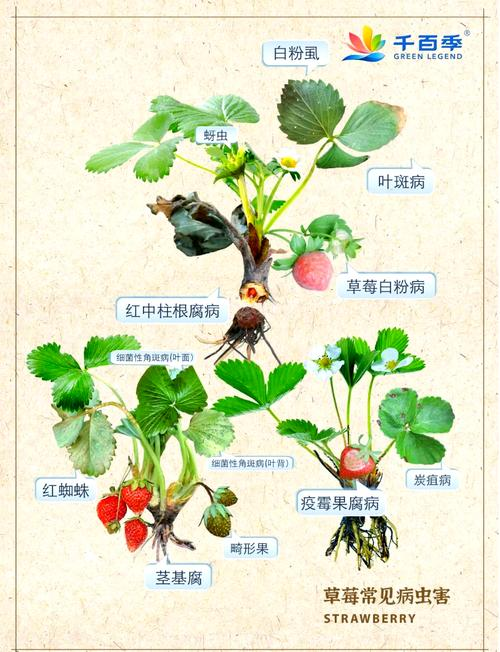
Strawberry sprays can induce deformity. In the event of an infestation during a flowering period, the beebox should be removed from the shed prior to spraying and moved back to the shed one week after the application。
Taken together, the highlights of strawberry crop management are important for the healthy growth and high productivity of strawberries。
You may be interested in and welcome to the following recommendations of the first vegetables network:。