Detailed methods of planting heavy buildings
We're going to be able to explain the details of how the building was grown
Lead the net
It's an introduction for our netizens。
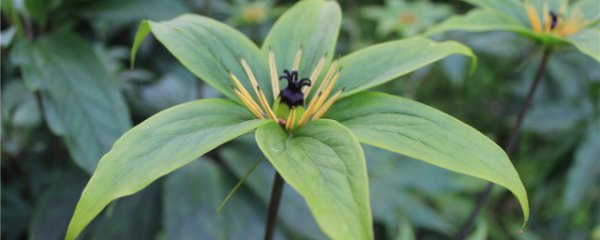
1. Choice of varieties for planting heavy buildings。
The good and bad of the varieties are determined by the productivity and quality of the buildings, so it is important to plant the varieties of the heavy buildings. Moreover, there are currently a very large variety of heavy buildings, so it is important to choose fast-growing, easy-growing, high-yielding and resistant varieties, the most common of which are powdered heavy buildings and powder heavy buildings, both of which are very productive and of good quality and can be grown。
Soil management for planting heavy buildings。
The selection of the soil to grow the heavy buildings is the most basic condition, the selection of the soil to grow the heavy buildings at the time of selection and the ease of management at the later stages. In fact, the most suitable soil to grow in the heavy buildings is the more acidic soil or sand, the soil must be permeable, the soil must be permeable, the soil must be loose, and the soil must have sufficient nutrients and the valleys and trees must not be exposed to sunlight。
3. Temperature management for planting heavy buildings。
The resistance of the heavy buildings is still very good, because it can grow normally in two or three degrees, but it is sensitive to high temperatures, so it is best not to exceed 32 degrees at the highest temperature, otherwise the heavy buildings will burn. The temperature most suitable for growth in the heavy buildings is around 20 degrees, at which time the heavy buildings will grow faster and be better developed, while the temperature changes are greater in most parts of the country, so that cultivation needs to be managed through planting techniques。
4. Fertilizer water management in heavy buildings。
The heavy buildings are a relatively special plant, which prefers the dark and humid areas, but they cannot be over-humid, nor can they accumulate water. If water accumulates in the fields, the roots of the heavy buildings will rot, so care must be taken in the water management process to provide frequent water recharge, but not too much water each time it is poured, in fact, that it must be drained in time after consecutive rainy days. For heavy buildings, which prefer more decomposition-based soils, it is preferable to opt for organic decomposition, which helps maintain the content of the decomposition matrix in the soil while promoting the growth of heavy buildings。
5. Field management for planting heavy buildings。
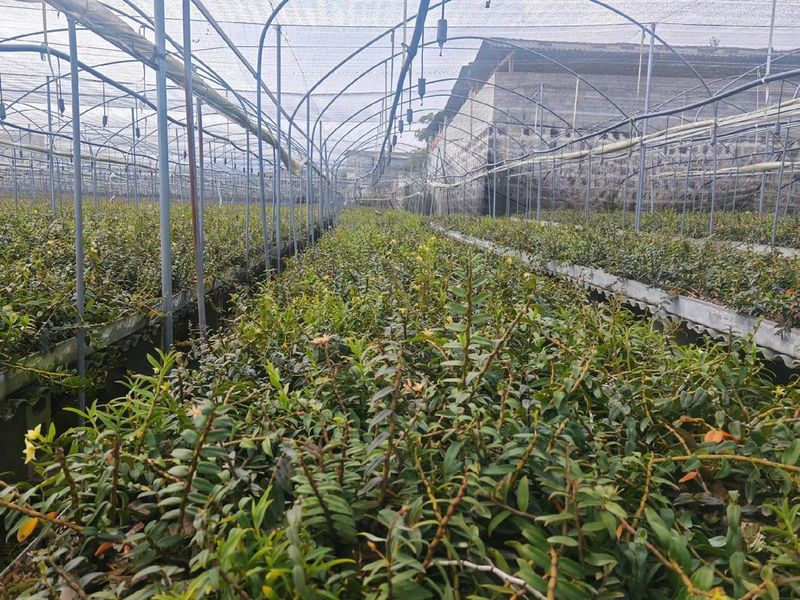
A management in the later stages is also very important, since the heavy buildings grow in a more fertile and damp environment, so weeds tend to be more abundant and pests tend to increase in relative numbers, so that weeds need to be uprooted in a timely manner rather than weeded through the pine soil, which can reduce nutrient losses and, lastly, pests need constant attention, and pests need to be treated with low-toxic biopharmaceutical agents in a timely manner, since heavy buildings are medicinal, so if excessive spraying can affect their quality, it can also be carried out through booby traps, which are simply impossible to use pesticides。
This is a detailed description of the method of planting the heavy buildings you've described。