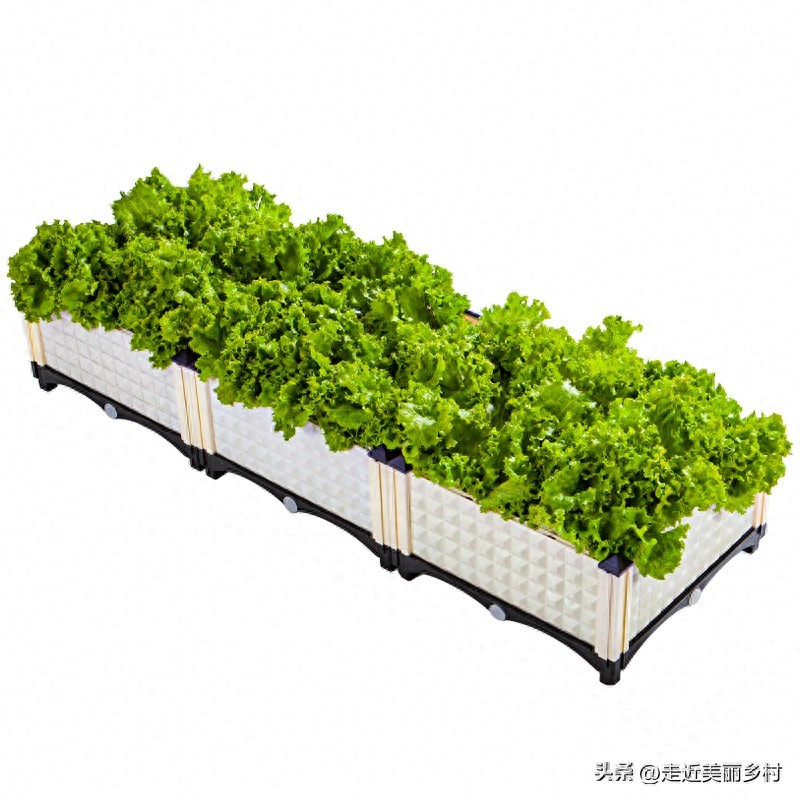
Foam box cultivation of vegetables
Don't you envy the balcony, the yard, the fresh and tender food you grow? Don't pay for a flower pot. The old foam box in the house is a ready-made "spectrum dish"! But why do you grow food that's always heady? It's probably the first step that's wrong. Today, i'll share with you eight secrets from the bottom of a rural farmer's box
The secret one: the piercing is the soul, and the method of location is well known
Foamboxes grow, punches are top priority, and it's a matter of life and death. The foam box itself is not airy, it's not drained without water, it's like the root is in the water。
Where? It's not enough at the bottom alone to be easily damaged when moving. The best position is for the side to cover evenly a small hole around 5 cm from the bottom. This will ensure drainage, and at the bottom a little bit of water vapour, which will function as a “small reservoir”, especially in the summer。
How? The home has the most convenient iron or drill, and the holes are smooth and less powerful. If you don't, you'll have a red screwdriver or a barbed wire to burn on a gas stove, so you can open a full hole. Remember, the hole is not too big, it's about 1 cm in diameter, and it's only 10 to 15 cm apart。
Secret 2: the earth is the foundation. Remember the sandwich method
Good earth is the root of good harvest. Foam box space is limited and the soil must be loose, fertile and ventilated. The so-called "sweet" for old vegetable farmers is simple and efficient:
And remember, don't use the slabs dug by the side of the road, which are not airy。
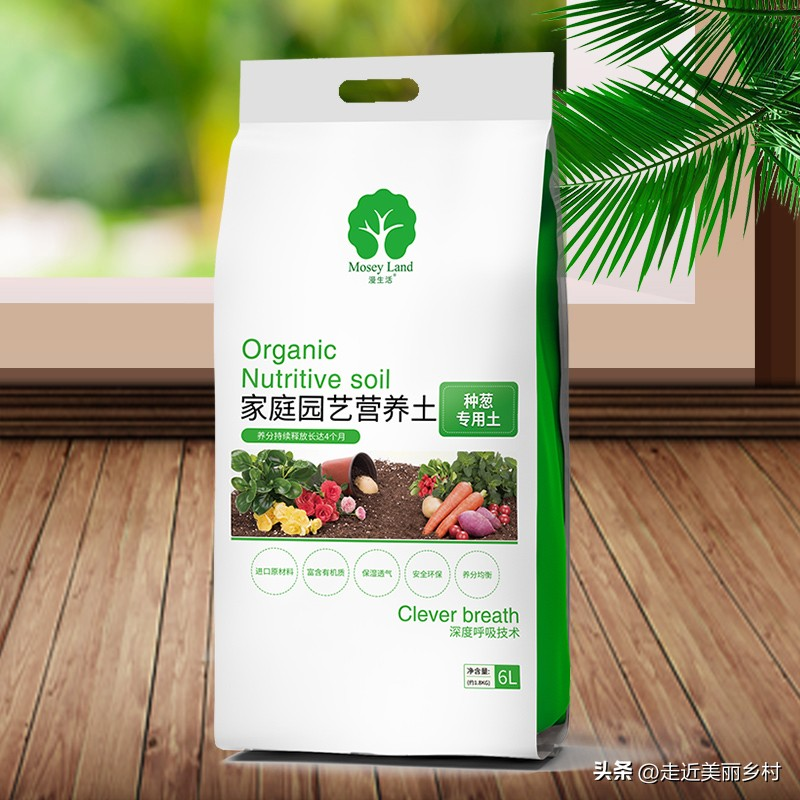
Cultivation of soil organic fertilizer
The secret is to choose the right dish
Not all vegetables fit in foam boxes. You have to choose those species that have a short growth cycle, have no place and have a small roots。
These are strongly recommended:
It's too big for potatoes, carrots, or pumpkins, or melons。
Secret iv: water "dry and wet" and no love
Foam boxes are good for water, and they are the least afraid of overwatering. A lot of food isn't dry, it's water。
Remember the “dry-and-wet” principle: touch the soil surface with your hands, feel dry, white and water. The water will be poured out until it comes out of the sidehole you hit. In summer, the temperature is high and the water evaporates quickly, and can be examined every morning and night; in winter, the temperature is low, the vegetables grow slowly and can be poured once in three or five days。
The secret five: bounty, good vegetables
There is limited soil nutrition in the foam boxes, and regular fertilization is necessary for the food to grow well. But it'll burn the seedlings。
To "buff and work,"
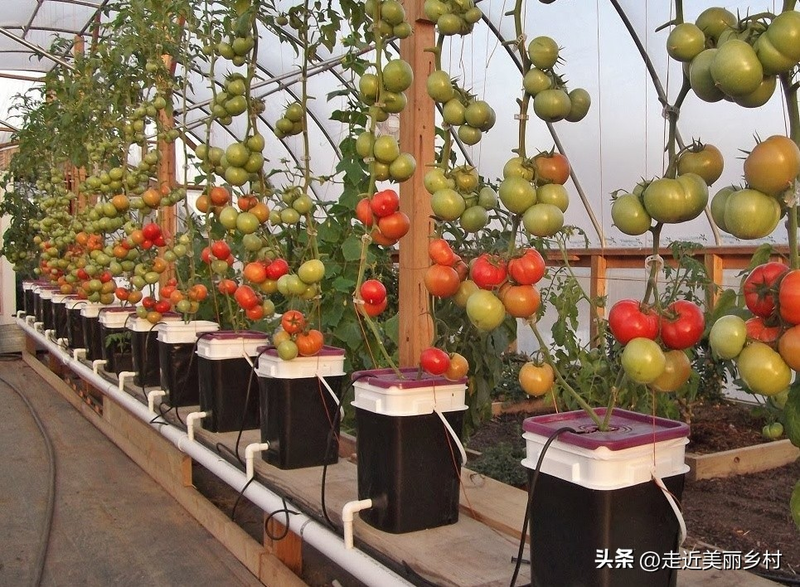
Tomato eutrophication
Secret six: is the foam box safe? Key view source
A lot of people are worried about the poison of the foam box. In fact, formal foam boxes (polystyrene) are stable at constant temperatures and do not release harmful substances as easily as possible. However, attention must be paid to the origin of the boxes:
It's not safe to put a plastic film on the walls of the foam box, to isolate it and to make peace。
Secret vii: location and light, follow the cabbage temper
There's a lesson in foam boxes everywhere. Most vegetables are “sunset lovers”, such as tomatoes, cucumbers and peppers, which need to be placed on a sun-rich balcony or window table for at least six hours per day。
But leaves like lettuce, spinach, too much in the summer, can be “smoking” (older) and can be placed in a bit of dispersing light. Positioning was done before placement because the dust-filled foam boxes were heavy and later moving was difficult。
Secret viii: insect control, healthier natural methods
The balcony is the most afraid of vermin. A small number of aphids and larvae were found, with no hurry to use pesticides. Try these natural methods: spraying with garlic, chili or detergent dilution. It's good. It hasn't been left. More ventilation in the windows and the maintenance of plant space can also reduce pests and diseases。
A quick self-check of the foam box
Key steps
Operational elements
Common error zone
Hole
The side is 5cm deep, 1cm aperture, 10-15cm apart
Only or nothing
Soil
"sweet" method: mating + horticultural foliage + organic fertilizer
I'm going straight to the ground. I don't fertilize
Water
It's dry and wet
It's raining day by day, and the soil is damp
Fertilizing
Increased application of potassium phosphorus in the fruit season
One-time heavy weight, resulting in the burning of seedlings
Box selection
Selection of food class clean foam boxes for periodic replacement